
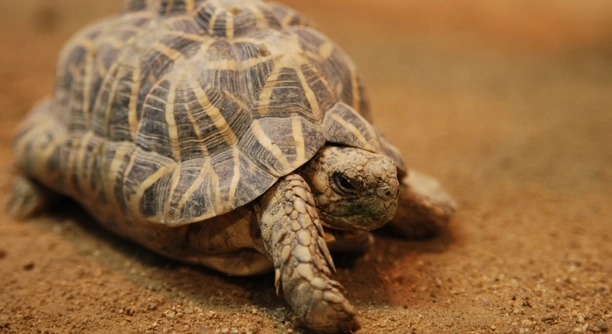
If your Indian Star Tortoise begins digging excessively, it may be signaling stress or other concerns. Understanding the causes behind this behavior is important in ensuring its well-being. There are several approaches to address the issue.
The most common cause of excessive digging in tortoises is a lack of space, environmental stress, or improper enclosure temperature. Addressing these factors through proper habitat adjustments, routine monitoring, and enriched environments can help alleviate this behavior effectively.
Understanding the underlying reasons and implementing these strategies can create a healthier, more comfortable environment for your tortoise.
Lack of Space in the Enclosure
Tortoises need space to feel comfortable. If the enclosure is too small, it can cause them to dig in search of more room. A cramped space might also increase stress, leading to more digging. It’s important to ensure your tortoise has an appropriately sized enclosure to accommodate its needs. A larger area helps them feel secure and reduces the instinct to dig excessively. Consider adding multiple hiding spots, as this can provide a sense of security and limit the digging behavior.
Expanding the space and creating a variety of environments within the enclosure can improve your tortoise’s comfort and reduce unnecessary digging.
For an optimal setup, make sure the enclosure is not overcrowded with objects. It should have enough space for your tortoise to roam, hide, and explore. This helps reduce stress and gives your tortoise the freedom it needs to feel at ease. Offering an enriching environment can significantly decrease the need for excessive digging. A simple habitat with ample space allows the tortoise to act naturally without the constant urge to dig for comfort.
Temperature and Humidity Issues
Temperature plays a major role in your tortoise’s comfort.
Maintaining the right balance between temperature and humidity can greatly reduce unwanted behaviors. If the enclosure is too hot or cold, the tortoise may dig to try and regulate its body temperature. Excessive heat or cold stress can lead to digging as a way to find a more comfortable spot. Check the temperature with a reliable thermometer and adjust the heating lamps or other sources as needed. Humidity also matters. If it’s too dry, your tortoise may dig to search for moisture. Adjusting both factors ensures the environment promotes natural behavior and reduces stress.
Boredom and Lack of Stimulation
Tortoises can dig when they’re bored or not given enough stimulation. If their environment lacks variety or interesting elements, they may resort to digging as a form of entertainment or to express frustration. Adding enrichment activities can help.
Providing your tortoise with items to interact with, like tunnels, rocks, or plants, can greatly reduce this behavior. Make sure to change the setup occasionally to keep things fresh. If your tortoise is active and stimulated, it’s less likely to dig excessively. The key is offering a dynamic and engaging environment that encourages natural behaviors.
Interactive elements like food puzzles or hiding spots within the enclosure can also keep your tortoise occupied. Changing their surroundings regularly prevents the boredom that often leads to digging. By maintaining an engaging habitat, your tortoise will feel more content and spend less time trying to escape or dig. This will promote healthier behavior in the long run.
Diet and Nutritional Deficiencies
Nutrient imbalances in your tortoise’s diet can also trigger unwanted digging. An insufficient diet may lead to increased stress, which often results in digging. It’s important to ensure that your tortoise gets the right balance of vitamins and minerals.
Check if your tortoise is getting enough calcium, fiber, and other essential nutrients. A lack of calcium can lead to shell deformities and digging as a stress response. Regularly offering fresh vegetables, grasses, and a calcium supplement will help maintain proper nutrition. Consider consulting a vet for dietary recommendations tailored to your tortoise’s specific needs.
Over time, a well-balanced diet should help curb excessive digging. If the behavior persists, it might be a sign that more attention is needed regarding diet or overall habitat conditions. Ensuring your tortoise receives the right food in proper amounts will keep it healthy and more relaxed, potentially reducing stress-related behaviors.
Stress from Overhandling
Too much handling or interaction can cause stress, leading to increased digging. Tortoises are naturally solitary animals, and overexposure to human contact can make them anxious. Limit handling to prevent overstimulation.
Tortoises need a peaceful environment to thrive. If they are handled too frequently or in a stressful manner, they may start digging as a coping mechanism. It’s best to observe from a distance and only interact when necessary.
Inadequate Lighting
Improper lighting can also contribute to your tortoise’s digging habits.
Tortoises need UVB lighting to maintain their health. Lack of UVB light can result in weak bones and stress, which may cause excessive digging. Make sure the lighting is sufficient and placed correctly within the enclosure to mimic natural daylight cycles.
Illness or Injury
If your tortoise suddenly starts digging more than usual, it might be a sign of illness or injury.
Tortoises may dig to escape discomfort caused by internal issues. It’s crucial to check for any signs of illness, such as lethargy, lack of appetite, or abnormal behavior. If needed, take your tortoise to the vet for a thorough examination.
FAQ
Why is my tortoise digging excessively?
Excessive digging is often a sign of environmental stress or discomfort. Common reasons include insufficient space, poor habitat conditions, or stress from overhandling. A lack of stimulation, improper temperature, and diet can also contribute to digging. Check your tortoise’s habitat, diet, and daily routine to ensure they are comfortable.
How can I prevent my tortoise from digging too much?
To prevent excessive digging, ensure your tortoise has ample space, proper lighting, and appropriate temperature conditions. Enrich the environment with objects like hides, plants, and rocks. Reducing handling can also help alleviate stress. Make sure your tortoise has a balanced diet to avoid nutritional deficiencies that may cause stress.
Can my tortoise’s digging be a sign of boredom?
Yes, boredom is one of the main reasons tortoises dig. If they lack enrichment, they may dig to pass the time or express frustration. Provide your tortoise with objects to explore, hide food to encourage natural foraging, and rotate the habitat layout to keep things interesting. This will help reduce boredom-related digging.
How do I know if my tortoise is stressed?
Stress in tortoises can show up in various ways, including excessive digging, refusal to eat, or changes in activity levels. They may also retreat into their shells or exhibit aggressive behavior. Keep an eye out for these signs and make sure the environment is calm and comfortable for your tortoise.
Is it normal for a tortoise to dig a lot?
Some digging is normal as tortoises dig to create a comfortable resting space or search for food. However, if digging becomes excessive or obsessive, it may indicate an underlying problem. Monitor their behavior and make changes to the environment to prevent it from becoming a habit.
How do I create a better habitat for my tortoise?
Start by providing ample space for your tortoise to move around. The enclosure should include areas to hide and climb, such as rocks or tunnels. Ensure the proper temperature and humidity levels are maintained, and provide UVB lighting for healthy bone growth. A well-balanced diet and routine can also promote a calm, healthy tortoise.
Can temperature affect my tortoise’s digging behavior?
Yes, temperature plays a crucial role in your tortoise’s comfort. Too hot or too cold an environment can cause stress and trigger digging. Ensure that the enclosure maintains a stable, warm temperature, with a gradient that allows your tortoise to regulate its body heat. Invest in a thermometer to monitor the habitat.
What should I do if my tortoise’s digging behavior doesn’t stop?
If the digging behavior persists despite improving the habitat and diet, it may be a sign of a health issue. Consult a veterinarian who specializes in reptiles to rule out any medical concerns. Persistent digging can also be due to stress factors that require further adjustments in the environment.
How often should I handle my tortoise?
Tortoises are naturally solitary and prefer minimal handling. Limit interactions to avoid stressing your tortoise. Handling once or twice a week is usually sufficient. Ensure that each handling session is calm and gentle to prevent anxiety. The less frequently they are handled, the more relaxed they will likely feel.
Can I use substrate to stop my tortoise from digging?
Substrate can provide a more natural environment, and certain materials, like coconut fiber or organic soil, are great for digging. However, substrate alone won’t stop excessive digging. It’s important to address all environmental factors, including space, temperature, and diet. Substrate can enhance the habitat but should be used alongside other adjustments.
Is my tortoise digging to lay eggs?
Female tortoises often dig when they are ready to lay eggs. This is a natural behavior, but if there are no eggs being laid, excessive digging may be a sign of other issues. Monitor your tortoise for signs of egg-laying behavior, such as digging in a specific spot, and consider adjusting the environment to accommodate her needs.
Should I be worried if my tortoise is digging up its food?
If your tortoise is digging up food, it may be an instinctive behavior tied to their natural foraging habits. It’s a good idea to regularly hide food to encourage this behavior in a positive way. If this behavior is accompanied by stress or other signs of discomfort, it could indicate a problem with the environment.
Can I stop my tortoise from digging with a bigger enclosure?
Providing a larger enclosure may reduce digging, especially if your tortoise feels confined in its current space. A larger area allows your tortoise to explore and exhibit natural behaviors without the need to dig excessively. Combine a spacious enclosure with appropriate temperature, lighting, and enrichment to address the underlying causes of digging.
Do I need to check my tortoise for parasites if it’s digging too much?
Parasites can cause discomfort and stress, leading to unusual behaviors such as digging. If you notice other symptoms like weight loss, diarrhea, or lethargy alongside excessive digging, consult a veterinarian to check for parasites. Regular veterinary checkups can help ensure your tortoise is healthy and free from parasites.
Can too much digging hurt my tortoise?
Excessive digging, especially if done on hard surfaces or with improper substrate, can cause damage to your tortoise’s shell or limbs. If you notice that your tortoise is digging to the point of injury, it’s crucial to reassess the enclosure and its conditions. Providing a soft, safe substrate will help protect your tortoise from harm.
Will adding plants help with my tortoise’s digging?
Adding plants can enrich your tortoise’s environment and provide stimulation. Live plants can be an attractive addition that also helps mimic their natural habitat. Just make sure to choose plants that are safe for tortoises and avoid those that may be toxic. They can also act as hiding spots, which can reduce digging caused by stress.
Final Thoughts
Excessive digging in tortoises is a common behavior that can often be attributed to environmental factors such as stress, boredom, or improper habitat conditions. Addressing the root cause of this behavior is crucial for the overall health and well-being of your tortoise. Understanding the possible reasons behind this digging can help you make the necessary adjustments to their environment. Whether it’s modifying their habitat, offering more enrichment, or reducing handling, small changes can make a big difference in reducing the digging behavior. Observing your tortoise closely and ensuring they have the right conditions can lead to a more balanced and stress-free life.
While digging is a natural behavior for tortoises, it should not become excessive or obsessive. Providing a variety of enriching objects and ensuring that your tortoise’s needs are met, such as proper lighting, temperature, and diet, will help reduce unwanted behaviors. A healthy balance of space, security, and stimulation is key to preventing stress-induced behaviors. Also, monitoring for health issues is important. If you notice that the digging continues even after making changes to the environment, it may be wise to consult a veterinarian. They can help rule out any underlying health problems that might be contributing to the behavior.
In conclusion, tortoises are complex creatures with specific needs that, when met, can lead to happier, healthier lives. Addressing the environmental factors and maintaining a proper care routine will help prevent excessive digging. By creating a suitable environment that promotes comfort, security, and mental stimulation, you can ensure that your tortoise remains content and healthy. With the right care, digging should become a less frequent occurrence, leaving you and your tortoise both at ease.

Hello,
If you enjoy the content that we create, please consider saying a "Thank You!" by leaving a tip.
Every little bit helps us continue crafting quality advice that supports the health, happiness, and well-being of pets around the world, for pets of all shapes, sizes, and species.
We really appreciate the kindness and support that you show us!