
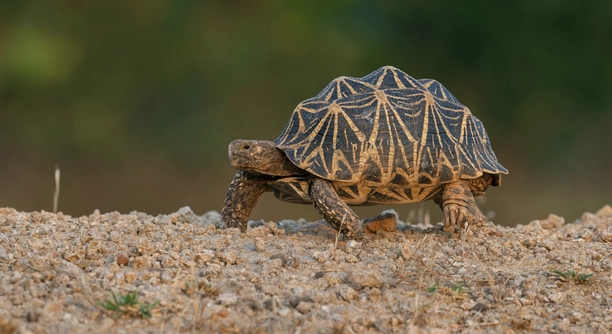
If your Indian star tortoise isn’t laying eggs, it can be concerning. Reproductive issues can stem from various causes, and knowing what to do next is important to ensure their health and well-being.
Several factors can contribute to an Indian star tortoise not laying eggs, including poor diet, lack of proper nesting space, or health issues. It is essential to address these factors by adjusting their environment, diet, and providing medical care if necessary.
Addressing these issues can help your tortoise lay eggs and thrive in a healthy environment. It’s important to take the necessary steps for their care.
Poor Diet and Nutrition
A balanced diet is essential for the overall health of your Indian star tortoise. Without proper nutrition, their reproductive system can become disrupted. For egg-laying, a diet rich in calcium and vitamins is critical. If they are not getting the right nutrients, this could be the reason they aren’t laying eggs. Calcium is necessary for healthy shell growth and egg production, so make sure to offer leafy greens, high-quality grasses, and even calcium supplements if needed. An inadequate or unvaried diet can cause multiple health issues, including egg-laying problems. It’s important to ensure that your tortoise is getting the right balance of nutrients to support their reproductive health.
A lack of proper diet can result in unhealthy eggs or no eggs at all. Ensure your tortoise is eating a variety of appropriate foods. Regularly check for signs of malnutrition to avoid this issue.
If your tortoise has been eating a steady diet of leafy vegetables and other calcium-rich foods but still isn’t laying eggs, the problem may lie elsewhere. It’s worth exploring other possible causes, such as their environment or stress levels.
Stress and Environmental Factors
Tortoises are sensitive to changes in their environment, and stress can be a significant factor in preventing them from laying eggs. If your tortoise feels threatened or uncomfortable, they may not reproduce. High noise levels, sudden changes in temperature, or an unstable habitat can cause them stress. It’s essential to provide a stable, quiet, and secure environment for them. The tank should have proper heat, humidity, and light, simulating the natural environment they would experience in the wild. Too much disturbance or improper living conditions may cause your tortoise to stop laying eggs.
Consider factors like the size of the enclosure and whether it’s giving your tortoise enough room to move. Stress can be triggered by cramped spaces or too much handling, so always aim to maintain a calm atmosphere.
Tortoises need to feel safe and comfortable to reproduce. In addition to keeping their environment stable, regular checks for stress signs are important. Excessive hiding or lethargy may signal that the habitat isn’t optimal for egg-laying.
Lack of Nesting Space
Nesting space is essential for your tortoise’s egg-laying process. Without a proper place to dig and lay eggs, they may hold off on egg production. Provide a soft substrate, such as coconut fiber or soil, for your tortoise to dig in. A deep enough area allows them to bury their eggs, mimicking their natural environment. It’s important to create a quiet, undisturbed spot for them, as they need privacy during this time.
If your tortoise doesn’t feel comfortable in their environment, they may refuse to lay eggs. Make sure the nesting area is spacious and free from distractions. It’s crucial to keep this space clean to avoid stress.
It’s essential that your tortoise has the right conditions to lay eggs. You can create a safe and private nesting spot using a container filled with moist soil. This setup should be placed in a quiet, well-lit area of their enclosure.
Temperature and Humidity Issues
The temperature and humidity in your tortoise’s environment play a significant role in their reproductive process. If the temperature is too low or too high, your tortoise may not lay eggs. Similarly, if the humidity levels are off, it can affect the egg-laying process. Ensure the basking area stays between 90-95°F, and the cooler side of the enclosure remains around 75°F. Humidity should stay around 50-60%.
Inconsistent temperature or humidity can lead to stress or even health problems. Monitoring the environmental conditions regularly and adjusting as needed helps maintain optimal conditions for egg-laying. You might also want to add a humidity box or mist the habitat to maintain moisture levels.
Tortoises require a stable and comfortable temperature for proper egg-laying. Any drastic changes could cause them to stop laying altogether. It’s important to pay attention to these factors and make adjustments where necessary to keep your tortoise comfortable and healthy.
Age and Health Issues
The age and overall health of your tortoise can impact its ability to lay eggs. Older or unhealthy tortoises may struggle with reproduction. If your tortoise is too young, it might not be ready to lay eggs. In such cases, give them time to mature.
Health problems like reproductive tract infections or internal blockages can also prevent egg-laying. A visit to the vet can help identify if there’s an underlying health issue. Regular check-ups are important, as they can catch problems early.
Ensure that your tortoise is fully mature and in good health. You can monitor their behavior and appearance for signs of health problems that could affect reproduction.
Overhandling and Disturbance
Excessive handling and constant disturbance can add unnecessary stress to your tortoise. While interaction is important, too much handling can prevent egg-laying. It’s best to minimize contact with your tortoise, especially when they’re in the process of trying to lay eggs.
Create a quiet, stress-free environment for your tortoise to ensure they feel secure. Too much activity in their enclosure can affect their ability to lay eggs.
Handling should be kept to a minimum when your tortoise is going through the egg-laying process. Constant stress or disruptions can delay or prevent egg production. Give them the space they need.
FAQ
Why is my Indian star tortoise not laying eggs?
There are several reasons why your tortoise might not be laying eggs, including poor diet, lack of proper nesting space, temperature issues, and stress. It’s important to evaluate their environment and diet closely to ensure all their needs are met. Stress and health problems can also prevent egg-laying, so monitoring their overall condition is crucial.
How can I tell if my tortoise is pregnant?
Tortoises don’t show visible signs of pregnancy, but there are behaviors to watch for. If your tortoise starts digging or acting more restless, it could be preparing to lay eggs. In some cases, their abdomen may appear slightly enlarged, but this isn’t always noticeable.
How can I encourage my tortoise to lay eggs?
Ensure that your tortoise has a suitable environment with appropriate temperature, humidity, and a proper nesting space. Make sure their diet is rich in calcium and other nutrients necessary for reproduction. Reducing stress and allowing them to feel safe and comfortable will also help them feel secure enough to lay eggs.
What kind of nesting space does my tortoise need?
Your tortoise needs a private, quiet area to dig and lay eggs. This can be a section of their enclosure filled with soft soil or coconut fiber. The area should be deep enough for them to bury their eggs. Make sure the space is free from disturbances so they feel secure.
Can stress prevent egg-laying?
Yes, stress can definitely prevent a tortoise from laying eggs. Factors like loud noises, overcrowding, or excessive handling can all cause stress. It’s important to create a calm and quiet environment for your tortoise, especially when they are trying to lay eggs. Reducing handling and making sure their enclosure is free from disturbances will help.
How do I check my tortoise’s health if it’s not laying eggs?
If your tortoise isn’t laying eggs, it may be due to a health issue. A visit to the vet can help identify problems like reproductive tract infections, internal blockages, or other underlying conditions. Regular check-ups are essential for ensuring your tortoise is healthy and able to lay eggs.
What temperature and humidity should my tortoise’s enclosure have?
The basking area should be between 90-95°F, and the cooler side should remain around 75°F. Humidity should be maintained between 50-60%. If either of these conditions is not met, it can prevent your tortoise from laying eggs. Use a thermometer and hygrometer to monitor these conditions regularly.
How often should I feed my tortoise to help with egg-laying?
Feeding your tortoise a balanced diet is important. Offer leafy greens, grasses, and occasional fruits to maintain proper nutrition. Additionally, calcium-rich foods or calcium supplements should be given to support egg production. Make sure your tortoise is getting the right amount of food to stay healthy, but avoid overfeeding, which can cause other health issues.
Can my tortoise lay eggs without mating?
Yes, female tortoises can lay eggs without mating. This is called a “maiden” egg, and it’s quite common. The eggs will not be fertilized, but they may still need a suitable environment to be laid. Ensure your tortoise has a proper nesting area even if she hasn’t mated.
What should I do if my tortoise lays eggs but doesn’t bury them?
If your tortoise lays eggs but doesn’t bury them, it could be due to a lack of proper nesting space or environmental stress. Make sure the nesting area is suitable and deep enough for digging. If she refuses to bury the eggs, you may need to gently move the eggs to a safer, more appropriate location.
Is it normal for my tortoise to stop laying eggs after a while?
It’s normal for female tortoises to take breaks between laying eggs, especially if their environment is not ideal. They may take a break until conditions improve or they reach the right age or health status. However, if egg-laying stops completely, it could indicate an underlying problem. Monitor your tortoise closely to ensure everything is in order.
Final Thoughts
Ensuring that your Indian Star Tortoise is able to lay eggs requires a proper environment and attention to their needs. Factors like temperature, humidity, diet, and nesting space all play a role in whether your tortoise can successfully lay eggs. If any of these elements are off, it may cause delays or prevent egg-laying altogether. Therefore, it is important to create a suitable habitat that mimics their natural environment as closely as possible. Providing a space for them to dig and feel secure is one of the most important steps in encouraging egg-laying.
Along with physical conditions, health and age are significant factors. Older tortoises or those with health issues may not be able to reproduce properly. It’s essential to monitor your tortoise’s health through regular check-ups with a vet. In some cases, reproductive health issues can be the underlying cause of egg-laying problems. If your tortoise is still young or not yet in optimal health, they may not be ready to lay eggs. Give them time to mature, and be patient as they adjust to their environment.
Stress is another major factor that can hinder egg-laying. Overhandling, loud noises, or other disturbances can cause your tortoise to feel unsafe, which may result in them refusing to lay eggs. Creating a peaceful, quiet environment where your tortoise can relax and feel secure is key. It’s important to give them the space they need and minimize disruptions. By addressing these various factors—environmental, health-related, and stress-related—you can help ensure that your Indian Star Tortoise will be able to lay eggs when the time comes.

Hello,
If you enjoy the content that we create, please consider saying a "Thank You!" by leaving a tip.
Every little bit helps us continue crafting quality advice that supports the health, happiness, and well-being of pets around the world, for pets of all shapes, sizes, and species.
We really appreciate the kindness and support that you show us!