
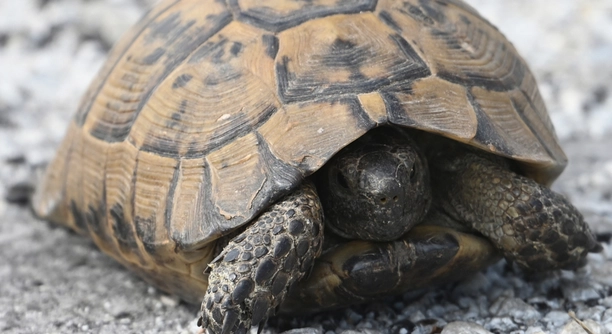
If your Greek tortoise has a soft shell, it could be a sign of underlying health issues. Knowing how to address this problem can make all the difference in your tortoise’s well-being.
A soft shell in Greek tortoises is often caused by calcium deficiency, improper habitat conditions, or dehydration. To fix this, ensure a balanced diet, proper UVB lighting, and adequate humidity. A visit to the vet is also advised.
Understanding these factors will help you take the necessary steps to improve your tortoise’s shell health and overall vitality.
Understanding Calcium Deficiency
One of the most common reasons for a soft shell in Greek tortoises is calcium deficiency. This essential nutrient helps in the development and maintenance of a strong, healthy shell. If your tortoise isn’t getting enough calcium, it can lead to a soft and weakened shell over time. Calcium is important for bone health, and it helps with the proper functioning of muscles and nerves. Greek tortoises need calcium to maintain their shell structure, and without it, they are at risk of serious health issues.
If you notice your tortoise’s shell is soft or feels spongy, it’s important to act quickly. Ensure your tortoise’s diet includes calcium-rich foods such as leafy greens and calcium supplements. Also, check that your tortoise has access to natural sunlight or UVB lighting, which is necessary for calcium absorption.
Calcium is vital to your tortoise’s overall health. Without proper calcium intake, your tortoise may develop deformities in their shell or even suffer from bone disease. To prevent this, consider adding calcium-rich foods like dandelion greens, kale, and turnip greens to their daily meals. Additionally, calcium supplements or cuttlebone can provide extra nutrients. Proper lighting and a well-balanced diet are the key factors in avoiding soft-shell problems.
Check Lighting and Habitat Conditions
Your tortoise’s habitat plays a large role in shell health. Without proper lighting and warmth, your tortoise cannot metabolize calcium properly. This can lead to a soft shell over time, even if their diet is adequate. Greek tortoises need exposure to UVB light, which is crucial for calcium absorption and shell strength.
Create a well-lit enclosure where your tortoise can bask under a heat source during the day. A UVB light should be used if natural sunlight isn’t available for long periods, ensuring your tortoise gets the light it needs for calcium metabolism.
Proper Hydration
Dehydration can also cause a soft shell in Greek tortoises. Tortoises need access to fresh water at all times, and dehydration can negatively affect their health, leading to a weakened shell. It’s essential to make sure your tortoise drinks enough water daily.
Offering a shallow water dish is a simple way to ensure your tortoise stays hydrated. You can also soak your tortoise in warm water for 20 to 30 minutes a few times a week. This helps keep their skin and shell hydrated and aids in overall digestion. If your tortoise is hesitant to drink from a dish, soaking can also encourage hydration.
Regular water intake helps in proper shell growth and overall health. Make sure the water is always clean and fresh, as dirty water can cause other health issues. Dehydration often goes unnoticed in tortoises, so monitoring their hydration is crucial to prevent shell softening. Proper hydration plays a role in overall shell firmness and helps your tortoise maintain its strength.
Diet and Food Choices
The foods you provide your tortoise significantly affect shell health. Greek tortoises need a diet high in fiber and low in fat, with a focus on calcium-rich vegetables. A poor diet lacking in essential nutrients can lead to a soft shell.
Leafy greens like dandelion greens, collard greens, and mustard greens are great sources of calcium. Avoid feeding your tortoise high-oxalate foods, like spinach, which can interfere with calcium absorption. A balanced diet, rich in fiber, will also help keep your tortoise’s digestive system functioning properly. Offer a variety of vegetables, grasses, and occasional fruits for variety and nutrition.
When feeding, be cautious with the amount of high-fat foods, as these can lead to obesity and poor shell development. Your tortoise should have access to these foods daily, but make sure the primary focus is on calcium-rich, fibrous plants. The right mix of foods will keep your tortoise healthy and help prevent a soft shell.
Regular Vet Visits
Taking your tortoise to the vet is essential, especially when you notice signs of a soft shell. A vet can identify underlying health issues such as metabolic bone disease and offer treatments like calcium injections or supplements. Regular checkups help catch problems early.
A vet visit can ensure your tortoise receives the proper care and any necessary treatments to support shell health. With the right advice, your tortoise will have a better chance of recovering from calcium deficiencies or dehydration. Always consult a professional when your tortoise’s shell appears soft or weak.
Adjust Temperature and Humidity
Maintaining proper temperature and humidity is important for your tortoise’s overall health. Greek tortoises thrive in temperatures ranging from 75°F to 85°F. Ensuring that your tortoise’s enclosure stays within this range promotes healthy metabolism and shell growth. Humidity also plays a role.
If the humidity is too low, it can cause your tortoise to become dehydrated and lead to softening of the shell. On the other hand, excessive humidity can cause respiratory problems. Aim for a balance by offering a warm basking spot and keeping the rest of the enclosure at the right humidity level.
FAQ
What causes a soft shell in Greek tortoises?
A soft shell in Greek tortoises is typically caused by calcium deficiency, improper lighting, dehydration, or inadequate diet. Calcium is crucial for shell and bone health, and without enough, their shell will soften. Inadequate UVB lighting, which helps in calcium absorption, and dehydration can also contribute to this issue. Ensuring a balanced diet with calcium-rich foods and proper care is key to preventing and treating a soft shell.
How can I tell if my tortoise’s shell is soft?
You can feel the shell to check its firmness. A healthy tortoise shell should be hard and smooth. If it feels spongy, soft, or flexible, it could indicate a problem. The softness might be more noticeable near the edges or the plastron (underside). It’s essential to take your tortoise to the vet if you notice any soft spots.
Can I fix a soft shell at home?
Yes, there are steps you can take at home to help treat a soft shell. Make sure your tortoise is getting proper calcium from its diet or supplements. Ensure it has access to UVB light for at least 12 hours a day to help with calcium absorption. Keeping your tortoise hydrated by offering water and soaking it regularly can also help. If the problem persists, a visit to the vet is necessary.
What are the best calcium sources for my tortoise?
Some excellent calcium-rich foods for your tortoise include leafy greens like collard greens, dandelion greens, and mustard greens. You can also provide a cuttlebone or calcium supplements specifically designed for reptiles. Ensure that your tortoise is eating a varied diet with these options to maintain strong shell health.
How much UVB light does my tortoise need?
Your tortoise needs around 12 hours of UVB light daily to help process calcium. If natural sunlight isn’t available, using a UVB bulb designed for reptiles will work. Make sure to place the bulb within 12 to 18 inches of your tortoise’s basking area, and replace it every six months as its UVB output diminishes over time.
How can I prevent dehydration in my tortoise?
To prevent dehydration, ensure your tortoise has access to fresh, clean water at all times. Soaking your tortoise in warm water for 20 to 30 minutes a few times a week helps keep them hydrated. A shallow water dish in the enclosure will allow your tortoise to drink as needed. If your tortoise refuses to drink, soaking is especially important.
Can dehydration cause other health problems?
Yes, dehydration in tortoises can lead to a range of health problems, including softening of the shell, digestive issues, and even kidney damage. Proper hydration is essential for all bodily functions, so it’s crucial to monitor water intake and encourage your tortoise to drink regularly. If dehydration isn’t addressed, it can worsen and cause more serious complications.
Is it okay to feed my tortoise fruits?
Fruits should only be fed to your tortoise in moderation. While they provide variety and some vitamins, fruits are high in sugar and can cause digestive upset if given in large quantities. Stick to offering fruits like strawberries, papaya, and melon occasionally as treats. Focus on high-fiber, low-fat greens as the main part of their diet.
Can I use a regular lightbulb instead of UVB lighting?
No, regular lightbulbs do not provide the UVB rays needed for calcium absorption. Only specific UVB bulbs designed for reptiles offer the necessary light spectrum. Regular incandescent bulbs provide heat but do not help with calcium metabolism. It’s important to use the correct UVB bulb to maintain your tortoise’s health and shell integrity.
How often should I take my tortoise to the vet?
It’s recommended to take your tortoise to the vet at least once a year for a checkup. Regular visits can help detect any health issues early, including shell problems. If you notice any signs of illness, such as a soft shell, lethargy, or changes in eating habits, it’s important to schedule a vet appointment immediately.
What temperature should I keep my tortoise’s habitat?
Your tortoise’s habitat should be kept between 75°F and 85°F. The basking area should be warmer, around 90°F to 95°F, to allow your tortoise to regulate its body temperature. If the temperature is too low, your tortoise may become lethargic and have difficulty digesting food, while high temperatures can lead to dehydration and stress.
Can I feed my tortoise lettuce?
Lettuce can be fed in small amounts, but it should not be a main food source. Many types of lettuce, especially iceberg, are low in nutritional value and high in water content. They offer little nutritional benefit and can contribute to diarrhea. Opt for darker, more nutrient-rich greens like kale or collard greens instead.
What can I do if my tortoise is not eating?
If your tortoise is not eating, it could be a sign of stress, illness, or improper habitat conditions. Check if the temperature and humidity are within the right range. Also, ensure that the diet consists of fresh, appropriate foods. If the lack of appetite persists, consult a vet for further evaluation.
Is it safe to house multiple tortoises together?
Housing multiple tortoises together can be done, but it depends on the species and individual personalities. Greek tortoises can be territorial, and overcrowding can lead to stress or aggression. If you choose to house multiple tortoises, make sure they have enough space, separate hiding spots, and that their health is monitored closely.
How do I know if my tortoise is getting enough calcium?
If your tortoise is getting enough calcium, its shell should be hard, strong, and smooth. You’ll also notice overall healthy growth. If you see soft spots or areas where the shell seems squishy, it may indicate a deficiency. You can address this by increasing calcium intake through food or supplements.
When caring for a Greek tortoise, it’s essential to address any issues with their shell as soon as possible. A soft shell can be a sign of serious health problems like calcium deficiency, dehydration, or improper habitat conditions. By ensuring your tortoise has a proper diet, access to UVB lighting, and stays hydrated, you can help prevent softening of the shell. Regular visits to the vet will also help you catch potential health issues early. The more attention you give to these factors, the healthier your tortoise will be in the long run.
Providing your tortoise with a balanced diet rich in calcium is one of the easiest ways to support strong shell growth. Leafy greens like dandelion greens, kale, and collard greens can offer the necessary calcium. You can also add supplements like cuttlebone or calcium powder to their food. Along with a proper diet, hydration is equally important. Offering fresh water daily and soaking your tortoise occasionally can keep them hydrated and help prevent dehydration-related shell problems. Keeping your tortoise’s habitat at the right temperature and humidity also plays a role in their overall well-being.
The key to keeping a Greek tortoise healthy and strong lies in providing the right environment and consistent care. Regular UVB exposure, a nutritious diet, adequate hydration, and proper temperature and humidity will ensure that your tortoise remains in good health. If your tortoise’s shell shows signs of softness, take action immediately to address the issue, whether it’s adjusting their diet, improving lighting, or consulting a vet. By staying attentive to these factors, you’ll help your tortoise thrive for years to come.

Hello,
If you enjoy the content that we create, please consider saying a "Thank You!" by leaving a tip.
Every little bit helps us continue crafting quality advice that supports the health, happiness, and well-being of pets around the world, for pets of all shapes, sizes, and species.
We really appreciate the kindness and support that you show us!