
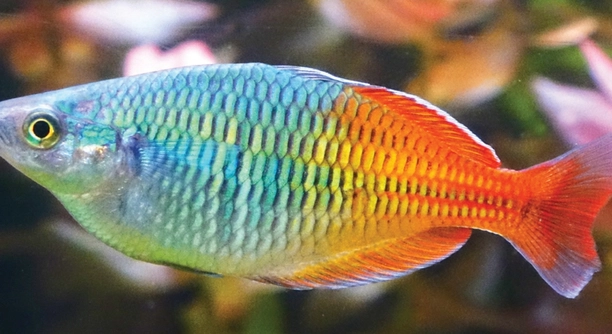
Rainbow fish are a popular choice for aquariums due to their vibrant colors and active nature. However, there are several key things to consider before introducing them to your tank.
Before introducing rainbow fish to your aquarium, ensure the tank conditions are suitable. This includes maintaining proper water temperature, pH levels, and tank mates. A well-prepared environment is crucial for the health and well-being of your fish.
Setting up the right tank for your rainbow fish is essential to their happiness. Making sure everything is in place beforehand will make the process smoother and more enjoyable.
Setting Up the Right Tank Conditions
Rainbow fish thrive in a balanced environment. Before adding them to your aquarium, make sure the water temperature stays between 72°F and 80°F, and the pH level should range from 6.5 to 7.5. The water needs to be soft to moderately hard. It’s crucial that you install a reliable filter to maintain water quality. Consider using a heater to keep the temperature stable, as fluctuations can stress the fish. For best results, keep the tank clean by performing regular water changes.
Regular maintenance helps maintain the ideal environment. Invest in a quality water test kit to check parameters like ammonia, nitrate, and nitrite levels. Also, ensure your filter is running efficiently.
With the proper setup, rainbow fish will adjust better to their new home. They are active swimmers, so providing ample space in the tank is important. Make sure your fish have enough room to explore without feeling crowded.
Selecting Compatible Tank Mates
Rainbow fish are peaceful and get along with other non-aggressive species. They should not be kept with fish that may intimidate or nip at them.
When choosing tank mates, consider species that are also peaceful, like tetras, gouramis, or other small schooling fish. Avoid pairing rainbow fish with aggressive or territorial species, such as cichlids or large predatory fish.
As rainbow fish swim in groups, it’s best to add at least six of them to help them feel secure and reduce stress. With compatible tank mates, your rainbow fish will be happy and healthy. When selecting other fish, always make sure they won’t compete for the same food or space.
Water Quality and Filtration
Good water quality is essential for the health of rainbow fish. Regular water changes, around 25% every two weeks, help keep the environment clean. A reliable filtration system removes waste and excess nutrients, preventing harmful spikes in ammonia or nitrites.
Ensure the filter is properly sized for your tank. A filter that’s too small won’t effectively clean the water. Make sure it runs quietly, as loud filters can stress the fish. Additionally, avoid placing it near areas where your fish tend to rest to prevent unnecessary disturbance.
While filters do most of the work, it’s important to test the water regularly. Monitor pH, ammonia, and nitrate levels to ensure they remain stable. This proactive approach will keep your rainbow fish healthy and prevent sudden changes that could harm them.
Proper Tank Decorations
When adding decorations to your tank, keep it simple and natural. Rainbow fish enjoy areas to hide, but they also need space to swim. Smooth rocks, plants, and driftwood create a safe, welcoming environment without overcrowding the space.
Choose plants that grow well in similar water conditions, such as Java fern or Anubias. These plants provide hiding spots for your fish while also contributing to oxygenation. Avoid sharp decorations, as they can injure the delicate fins of your rainbow fish.
Ensure the plants have enough space to grow and the tank remains uncluttered. The balance between open swimming space and hiding spots is key to creating a peaceful environment for your rainbow fish.
Feeding Rainbow Fish
Rainbow fish enjoy a varied diet, including high-quality flakes, pellets, and live or frozen foods like brine shrimp or daphnia. Feeding them once or twice a day in small amounts helps prevent overfeeding and maintains water quality.
Make sure not to leave uneaten food in the tank, as it can quickly degrade water quality. Offering a variety of foods helps ensure your fish get all the nutrients they need. Avoid overfeeding to keep the tank environment clean and healthy.
Feed your rainbow fish a balanced diet to support their energy and vibrant colors. They are generally not picky eaters but enjoy variety.
Monitor Fish Health
Keeping an eye on your rainbow fish’s health is essential. Look for signs of distress such as faded colors, fin damage, or unusual swimming patterns.
If you notice these signs, it’s important to test the water quality right away. Poor water quality is often the cause of health issues. If water conditions are fine, consider checking for parasites or other common illnesses.
Maintain Consistent Temperature
Rainbow fish are sensitive to drastic temperature changes. Keeping the water at a steady temperature between 72°F and 80°F ensures they remain comfortable and healthy.
A stable temperature prevents stress and helps rainbow fish maintain their vibrant colors. Invest in an aquarium heater to keep the temperature constant, especially in colder climates where temperature fluctuations are common.
FAQ
How many rainbow fish should I keep together?
Rainbow fish are social creatures and prefer to live in groups. It’s recommended to keep at least six rainbow fish together. This allows them to interact with each other, reducing stress and promoting healthy social behavior. A larger group is even better, as it mimics their natural environment, where they school together for protection and social bonding.
Can rainbow fish live with other species?
Yes, rainbow fish are generally peaceful and get along with most other non-aggressive species. Some great tank mates include tetras, small gouramis, and other peaceful community fish. It’s important to avoid keeping them with aggressive or territorial fish, such as large cichlids or predatory species. Rainbow fish tend to swim in the middle levels of the tank, so choose tank mates that occupy different levels to reduce any competition.
What is the ideal tank size for rainbow fish?
Rainbow fish need enough space to swim freely. A minimum tank size of 30 gallons is recommended for a small group of rainbow fish. If you plan to add other species, you may need a larger tank. A bigger tank allows for better water stability and reduces the chance of overcrowding. With enough space, your rainbow fish will have room to explore, reducing stress and helping them thrive.
How can I tell if my rainbow fish is healthy?
Healthy rainbow fish are vibrant in color, swim actively, and interact with other fish. Signs of poor health include faded colors, lethargy, or unusual swimming patterns like swimming upside down or near the surface. If your fish display these symptoms, check the water quality and monitor for any signs of illness, such as white spots or lesions. Regular water testing and observation will help you identify and address health problems early.
What should I do if my rainbow fish has fin damage?
Fin damage can be caused by various factors, such as aggression from other fish, poor water quality, or rough tank decorations. If you notice fin damage, first assess the tank environment. Remove any aggressive tank mates and smooth out any sharp objects. Keep the water clean and test for any imbalances. If the damage is severe or getting worse, consider using an aquarium salt bath or consulting a veterinarian for further treatment.
Can rainbow fish live in cold water?
Rainbow fish are tropical fish, and they require warmer water temperatures to thrive. The ideal temperature range is between 72°F and 80°F. If you live in a cooler climate, you’ll need to use an aquarium heater to maintain a consistent temperature. Keeping the water too cold can stress the fish and lead to health problems, so avoid temperatures below 70°F.
How often should I change the water in my tank?
Regular water changes are key to maintaining a healthy aquarium. For a tank with rainbow fish, aim to change 25-30% of the water every two weeks. If you have a larger fish population or your filter isn’t working as efficiently, you may need to change the water more often. Always use a water conditioner to remove chlorine and other harmful chemicals from tap water.
Why are my rainbow fish not eating?
If your rainbow fish are refusing to eat, check the water quality first. Poor water conditions, such as high ammonia or low oxygen levels, can cause fish to lose their appetite. Also, consider whether the food you’re offering is fresh and varied enough. Try introducing different types of food, like live or frozen options, to see if that sparks their interest. If the issue persists, look for signs of illness and consult a specialist.
What should I feed rainbow fish?
Rainbow fish enjoy a varied diet, including high-quality flake foods, pellets, and occasional live or frozen foods like brine shrimp, bloodworms, or daphnia. Offering a mix of protein and plant-based foods will keep your fish healthy and vibrant. Feed them once or twice a day, giving only as much food as they can eat within a few minutes to avoid overfeeding and water contamination.
Are rainbow fish aggressive?
Rainbow fish are not aggressive by nature. They are peaceful and tend to get along with other non-aggressive fish. However, males can sometimes display territorial behavior, especially during breeding. If you notice this, make sure the tank has enough space and hiding spots to reduce conflicts. Keep in mind that some species of rainbow fish are more territorial than others.
How do I breed rainbow fish?
Breeding rainbow fish is possible in a well-maintained tank. To trigger breeding, raise the temperature slightly to around 80°F and provide a varied diet of live foods. Set up a separate breeding tank with fine-leaved plants or spawning mops, where the female can lay eggs. After the eggs hatch, remove the parents to prevent them from eating the fry. The fry will require small food such as infusoria or baby brine shrimp until they are large enough to eat regular fish food.
Why are my rainbow fish losing their color?
Loss of color can be a sign of stress, poor water quality, or illness. Check your tank’s parameters and make sure the water is clean and at the proper temperature. Stress can also result from incompatible tank mates or overcrowding. If your rainbow fish aren’t getting enough food or the right nutrients, this can also affect their coloration. A varied diet of high-quality foods will help maintain their vibrant colors.
Can rainbow fish live with shrimp?
Rainbow fish can live with shrimp, but there are some things to consider. While most rainbow fish are peaceful, they may eat smaller shrimp or bother them, especially the more active species. If you want to keep shrimp with your rainbow fish, choose larger, more robust shrimp species like Amano or ghost shrimp, and make sure your tank has plenty of hiding places. Keep in mind that smaller shrimp may be seen as food, especially by younger rainbow fish.
Final Thoughts
Rainbow fish are beautiful, active creatures that can make a wonderful addition to any aquarium. However, they require careful attention to ensure they thrive in their new home. The key to keeping rainbow fish healthy is providing them with the right environment, including proper water conditions, suitable tank mates, and a balanced diet. When these factors are taken into account, your rainbow fish will live a long and vibrant life, adding color and movement to your tank.
Another important aspect of caring for rainbow fish is maintaining the right water quality. Regular water changes and monitoring levels of ammonia, nitrites, and nitrates are essential to keeping the tank clean and free from harmful chemicals. A good filtration system helps keep the water clear, and adding a reliable heater can stabilize the water temperature, preventing stress. Without these considerations, your rainbow fish may become sick or stressed, leading to poor health or even early death. Keeping the water environment consistent is a fundamental part of their well-being.
Finally, while rainbow fish are generally peaceful, they can be sensitive to overcrowding and aggressive tank mates. It’s important to choose compatible species that won’t stress them out or compete for food and space. Keeping them in groups of at least six helps them feel safe and secure. By providing them with the space they need, as well as a varied diet and regular care, you can ensure that your rainbow fish thrive. When their environment and needs are met, these stunning fish will bring joy and life to your aquarium for years to come.

Hello,
If you enjoy the content that we create, please consider saying a "Thank You!" by leaving a tip.
Every little bit helps us continue crafting quality advice that supports the health, happiness, and well-being of pets around the world, for pets of all shapes, sizes, and species.
We really appreciate the kindness and support that you show us!