
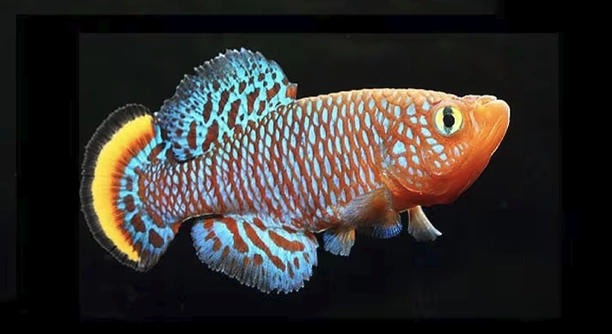
Adding new killis to your aquarium requires careful preparation to ensure a healthy environment for your fish. Many enthusiasts face challenges when introducing new species without proper steps. These precautions help maintain balance and prevent stress or disease.
Before adding new killis, it is essential to quarantine them to avoid spreading diseases. Test and stabilize water parameters to match their needs. Clean and prepare the tank by removing debris and ensuring proper filtration. This process supports fish health and acclimation.
Following these steps will improve the success of integrating killis into your tank. Proper preparation promotes a stable habitat and protects your existing aquatic community.
Quarantine Your New Killis
Quarantining new killis is the first and most important step before introducing them to your main tank. This process helps prevent the spread of diseases and parasites that may be hidden in new fish. Set up a separate tank with similar water conditions and monitor your killis for at least two weeks. During this time, watch for signs of illness such as unusual spots, behavior changes, or loss of appetite. Treat any health issues promptly with appropriate medication to protect your established fish population. Quarantine also allows your killis to recover from transport stress and adjust gradually to their new environment. It’s a simple step that can save a lot of trouble later and keeps the entire aquarium healthy.
Quarantine tanks should have stable water parameters matching your main tank. This stability reduces stress on the fish and aids in their recovery and adaptation.
Keeping a quarantine tank separate from your main aquarium ensures a safe introduction. It provides a controlled environment to address health issues early without risking your main tank’s balance.
Test and Adjust Water Parameters
Testing and adjusting water parameters is crucial when adding new killis. Killifish often require specific water conditions, including temperature, pH, and hardness, depending on their species. Using a reliable test kit, check your tank’s water for these factors regularly. Make necessary adjustments slowly to avoid shocking the fish. For example, if your water is too hard or alkaline, you can use peat moss or reverse osmosis water to soften it. Keeping parameters stable supports your killis’ immune systems and reduces stress, making it easier for them to adapt and thrive. Sudden changes in water quality can lead to illness or aggression.
It’s helpful to research the specific needs of your killis species before making adjustments to ensure their environment matches their natural habitat.
Adjustments should be made gradually and carefully monitored to maintain stability. Frequent testing after adding new fish helps catch any issues early, ensuring a healthy aquarium for all inhabitants. Patience and consistency in maintaining water quality are key to long-term success with killifish.
Prepare the Tank Environment
Before introducing killis, make sure the tank is clean and well-maintained. Remove any leftover food, waste, and algae. Check that the filter is working properly to keep water clear and oxygenated.
A well-prepared tank provides a safe space for killis to settle in. Use gentle water flow, as killis prefer calm environments. Add plenty of plants and hiding spots to reduce stress and mimic their natural habitat. Soft lighting also helps them feel secure. Make sure the substrate is suitable for their needs, such as fine gravel or sand.
Regular maintenance is key. Change about 20-30% of the water weekly to maintain good water quality. This routine keeps toxins low and supports fish health. A stable environment encourages killis to explore and thrive once introduced.
Acclimate New Killis Slowly
Slow acclimation is vital to reduce shock from new water conditions. Start by floating the sealed bag in your tank for 15-20 minutes to equalize temperature.
Next, gradually add small amounts of tank water to the bag every 10 minutes. This helps the fish adjust to the chemical makeup and pH. Continue for about an hour until the water in the bag matches the tank. This process reduces stress and the risk of shock, increasing the chance your killis will settle quickly.
When ready, gently release the fish into the tank without pouring the bag water. This keeps potential contaminants out of your aquarium. Careful acclimation improves survival and helps killis adjust smoothly to their new home.
Monitor Behavior Closely
Watch your new killis carefully after introducing them to the tank. Early observation helps detect stress or illness. Look for normal swimming patterns and feeding behavior.
If any fish appear lethargic, hide excessively, or show signs of disease, act quickly. Early intervention prevents problems from worsening and protects other tank inhabitants.
Maintain Stable Lighting and Temperature
Keep the tank’s lighting and temperature consistent. Killis prefer moderate light levels and steady temperatures between 72°F and 78°F. Sudden changes can cause stress and health issues.
Avoid placing the tank in direct sunlight or near drafts. Use a reliable heater and timer for lights. Stability in these conditions supports your killis’ well-being and natural rhythms.
Feed a Balanced Diet
Offer varied, high-quality foods suitable for killis, such as live or frozen bloodworms, brine shrimp, and specialized pellets. Balanced nutrition promotes vibrant colors and strong health.
Avoid overfeeding by providing small portions twice daily. Excess food can pollute the water and harm fish.
Keep a Close Eye on Water Quality
Regularly test the water after adding new killis. Keeping ammonia, nitrite, and nitrate levels low is essential for fish health.
Consistent water quality monitoring prevents issues and supports a thriving aquarium environment.
FAQ
How long should I quarantine new killis?
Quarantining new killis for at least two weeks is recommended. This period allows you to observe any signs of illness or parasites before introducing them to your main tank. Early detection during quarantine helps prevent spreading diseases and keeps your established fish healthy.
What water parameters are ideal for killifish?
Killifish typically thrive in temperatures between 72°F and 78°F, with a pH around 6.0 to 7.5 depending on the species. Soft to moderately hard water is preferred. It’s important to research your specific killis species to match their natural habitat as closely as possible.
Can I add killis directly to my main tank?
Adding killis directly to your main tank is risky without quarantine and acclimation. Direct introduction can cause stress and spread diseases. Proper quarantine and slow acclimation improve survival rates and help killis adjust safely to new conditions.
How often should I change the water after adding new killis?
After adding new killis, changing 20-30% of the water weekly helps maintain good water quality. Regular water changes remove toxins and waste, supporting a healthy environment that reduces stress and illness risks.
What should I feed my killifish?
Killifish need a varied diet that includes live or frozen foods like bloodworms, brine shrimp, and daphnia. High-quality pellets designed for carnivorous fish can also be included. Feeding small portions twice daily prevents overfeeding and water pollution.
How do I know if my killis are stressed?
Signs of stress in killis include erratic swimming, hiding excessively, loss of appetite, or fading colors. Stress can result from poor water quality, sudden environmental changes, or aggressive tank mates. Addressing these factors quickly helps reduce stress and promote recovery.
Is it necessary to provide plants and hiding spots?
Yes, killis feel safer with plenty of plants and hiding places. These elements mimic their natural environment, reduce stress, and offer shelter from potential aggression. Floating plants also help soften light, creating a more comfortable setting.
What should I do if I see signs of disease?
If you notice signs like spots, fin damage, or unusual behavior, isolate the affected fish if possible. Treat the tank or quarantine tank with appropriate medication based on the diagnosis. Maintaining good water quality and quarantine practices helps prevent disease outbreaks.
Can killifish live with other species?
Killifish can live with peaceful tank mates, but compatibility depends on species temperament and tank size. Avoid aggressive or much larger fish that may harm killis. Providing enough space and hiding spots reduces conflicts.
How important is acclimation for new killis?
Acclimation is very important. Slowly adjusting new killis to the tank’s water conditions reduces shock and stress. Gradual introduction of tank water to the transport bag over an hour helps fish adapt to differences in temperature, pH, and hardness, increasing their chances of thriving.
These answers cover key concerns when adding new killis, helping ensure a smooth and healthy transition into your aquarium.
Adding new killis to your aquarium is a process that requires attention and care. Taking the necessary steps before introducing them helps create a safe and healthy environment for all your fish. By quarantining new killis, testing and adjusting water conditions, and preparing the tank properly, you reduce risks of stress and illness. These actions support the well-being of both new and existing fish, making your aquarium a balanced place to live.
Careful acclimation and observation after adding new killis are also very important. Slowly introducing the fish to the tank’s water conditions helps them adjust without shock. Watching their behavior in the first days allows you to notice any signs of stress or health problems early. Maintaining stable lighting, temperature, and feeding a balanced diet further supports their health and encourages natural behavior. Keeping water quality high with regular tests and water changes protects your entire aquatic community.
Overall, following these steps creates a smooth transition for your new killis. It may take extra time and effort, but the results are worth it. Healthy, happy fish are more active and show better colors, making your aquarium more enjoyable to care for and watch. Being patient and consistent in your approach helps avoid common problems and gives your killis the best chance to thrive in their new home.

Hello,
If you enjoy the content that we create, please consider saying a "Thank You!" by leaving a tip.
Every little bit helps us continue crafting quality advice that supports the health, happiness, and well-being of pets around the world, for pets of all shapes, sizes, and species.
We really appreciate the kindness and support that you show us!