
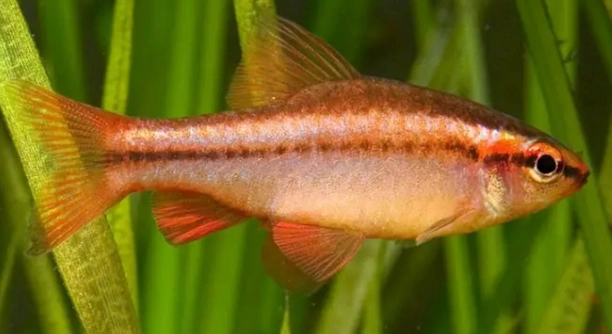
Adding new Cherry Barbs to your aquarium can be exciting, but there are important steps to take first. These small, vibrant fish need specific conditions to thrive. Ensuring your tank is ready will keep your new fish healthy and happy.
Before adding Cherry Barbs, it’s crucial to check water parameters, tank size, and compatibility with other fish. Prepare a stable environment by maintaining proper pH, temperature, and filtration. Acclimating the barbs properly is also essential for their survival.
By following these steps, you can create a welcoming home for your new Cherry Barbs. This will help you avoid common issues and ensure a smooth transition for your fish.
Preparing Your Tank for Cherry Barbs
Before introducing new Cherry Barbs to your aquarium, ensure the tank environment is suitable for their needs. They require a well-established, stable tank with proper filtration, as this helps maintain clean water. The tank should be at least 20 gallons in size, as Cherry Barbs are active swimmers. Maintaining a consistent water temperature between 72°F and 79°F is crucial. The pH level should range from 6.0 to 7.5, and the water should be soft to moderately hard. It’s also important to have a reliable filtration system in place to keep the water oxygenated and clear.
Preparing your tank doesn’t stop at water quality. Adding plants and hiding spots will make the environment feel more natural for the Cherry Barbs. Dense vegetation, like Java moss or hornwort, provides shelter and places to explore. A smooth substrate is ideal to avoid any damage to their delicate fins.
Providing the proper environment will help your Cherry Barbs adjust smoothly to their new home. A stable, well-planted tank can make the difference in their long-term health and happiness.
Compatibility with Other Fish
Cherry Barbs are generally peaceful and do well in community tanks. However, you should avoid pairing them with overly aggressive species. They prefer to swim in groups, so it’s best to introduce at least six to make them feel secure. Larger or aggressive fish could stress them out, leading to health problems.
Before introducing them to your tank, consider the temperament of your current fish. Cherry Barbs can coexist well with other peaceful species, such as tetras, corydoras, or other barbs. However, avoid tankmates that might be too fast or territorial. These conditions will allow Cherry Barbs to flourish and blend in without stress.
Acclimating Your Cherry Barbs
When introducing Cherry Barbs to the tank, proper acclimation is key. Gradually adjusting them to your tank’s water conditions reduces the risk of shock. Float the bag in the aquarium for about 15-20 minutes, allowing the temperature to equalize before releasing them.
Once the temperature is stable, slowly add small amounts of tank water into the bag. This process, known as drip acclimation, helps them adjust to the pH and water hardness. It’s essential not to rush this step. Gradually introducing them to the tank reduces the stress on the fish and ensures a smoother transition.
Patience during acclimation will help your Cherry Barbs adjust better. This method can also prevent sudden temperature or water parameter shifts, which could harm the fish.
Tank Maintenance After Adding Cherry Barbs
After adding Cherry Barbs, regular tank maintenance is crucial to keeping the water clean and healthy. Perform weekly water changes of about 20-25% to maintain good water quality. This helps remove waste and excess nutrients, preventing algae buildup.
Make sure to clean the filter and inspect the water parameters regularly. The presence of uneaten food or fish waste can pollute the tank quickly, so remove any excess material as soon as possible. Keep an eye on the temperature and pH to ensure they stay within the optimal range for Cherry Barbs.
A well-maintained tank promotes the long-term health of your Cherry Barbs and helps them thrive in their new environment. Regular maintenance will keep your tank safe for all its inhabitants.
Choosing the Right Food for Cherry Barbs
Cherry Barbs are omnivores, so they thrive on a varied diet. Offer a mix of high-quality flakes, pellets, and live or frozen foods like brine shrimp or daphnia. This ensures they receive all the necessary nutrients.
Feeding them once or twice a day is sufficient. Make sure the food is small enough for them to easily consume. Overfeeding can lead to water pollution, which harms their health and the tank environment. Remove any uneaten food after a few minutes to prevent it from decomposing in the water.
Monitoring Cherry Barbs for Health Issues
Cherry Barbs are generally hardy, but they can still face health challenges. Watch for signs of stress, such as unusual swimming patterns, loss of color, or faded fins. These could indicate water quality problems, disease, or poor tank conditions.
If you notice any of these symptoms, check the water parameters immediately. Ensure the temperature, pH, and filtration are in check. If the issues persist, consider quarantining the affected fish and consulting an aquarium expert. Addressing problems early will help your Cherry Barbs recover quickly.
Dealing with Aggression
Though Cherry Barbs are peaceful, they can sometimes show aggression if they feel threatened. Overcrowding or a lack of hiding spots can increase stress and lead to minor territorial behavior. Providing plenty of plants and decorations gives them safe spaces to retreat.
This environment will reduce the chances of aggression, ensuring a calmer tank. Avoid housing them with overly aggressive fish or too many individuals of the same species. A balanced tank will help Cherry Barbs feel secure and maintain their peaceful nature.
FAQ
What size tank do Cherry Barbs need?
Cherry Barbs need a tank that is at least 20 gallons. A larger tank will give them more space to swim and reduce stress. A bigger tank also helps maintain water quality by diluting waste and toxins, making it easier to manage their environment.
Can I keep just one Cherry Barb?
It’s not ideal to keep just one Cherry Barb. These fish are social creatures and feel most comfortable in groups. Keeping at least six Cherry Barbs will help them thrive, as they feel safer and more confident when they have company.
What temperature should the water be for Cherry Barbs?
Cherry Barbs prefer a water temperature between 72°F and 79°F (22°C to 26°C). A stable temperature within this range helps them stay healthy. Use a reliable aquarium heater to maintain the correct temperature, especially during cooler months.
Are Cherry Barbs easy to breed?
Breeding Cherry Barbs can be relatively easy, but it requires some preparation. The water temperature should be slightly higher, around 79°F, and the water slightly acidic. Providing plenty of plants will give the fish space to lay their eggs. If done correctly, breeding can occur without much interference.
What do Cherry Barbs eat?
Cherry Barbs are omnivores, so they enjoy a varied diet. Feed them a mix of high-quality flakes, pellets, and occasional live or frozen foods like brine shrimp, bloodworms, or daphnia. This variety ensures they receive a balanced diet and stay healthy.
How often should I feed Cherry Barbs?
Feed your Cherry Barbs once or twice a day. Only give them as much food as they can consume in a few minutes. Overfeeding can lead to water quality issues and health problems, so it’s essential to remove any leftover food.
Do Cherry Barbs need a filter?
Yes, Cherry Barbs require a good filtration system. A filter helps maintain clean water by removing waste and excess food particles. It also helps keep oxygen levels high, which is essential for their health and overall well-being.
Can Cherry Barbs live with other fish?
Cherry Barbs are peaceful and do well in community tanks. They can live with other peaceful species, such as tetras, corydoras, or small rasboras. Avoid keeping them with aggressive or very large fish, as they might feel threatened or stressed.
What is the lifespan of a Cherry Barb?
Cherry Barbs typically live for 3 to 5 years, though some may live longer if properly cared for. Regular maintenance of water quality, temperature, and diet will help ensure that your Cherry Barbs live a full and healthy life.
Do Cherry Barbs need live plants?
While not essential, live plants are highly beneficial for Cherry Barbs. They provide hiding spots, reduce stress, and mimic their natural habitat. Plants like Java moss or hornwort offer them places to explore and hide, making them feel more secure.
Are Cherry Barbs prone to any diseases?
Cherry Barbs are generally hardy, but they can still fall victim to common aquarium diseases like ich, fin rot, or fungal infections. Keeping the water clean and maintaining stable tank conditions will help reduce the risk of diseases.
How can I tell if my Cherry Barbs are stressed?
Signs of stress in Cherry Barbs include faded colors, erratic swimming patterns, or hiding more than usual. Poor water quality or incompatible tank mates could be causing stress. Check your tank’s temperature, pH, and ammonia levels to resolve the issue.
Do Cherry Barbs need a lid on their tank?
While Cherry Barbs are not jumpers by nature, it’s a good idea to have a lid on your tank. This helps prevent any escape attempts, keeps the temperature stable, and protects the tank from contaminants. It’s an extra precaution that’s easy to take.
Can Cherry Barbs live in a planted tank?
Yes, Cherry Barbs do well in planted tanks. They enjoy swimming through the plants and hiding in them for comfort. Plants also help keep the water oxygenated, which is beneficial for the fish. Just ensure the plants don’t overcrowd the tank and hinder swimming space.
Do Cherry Barbs need a specific type of substrate?
Cherry Barbs don’t require any specific type of substrate, but they do better with soft, smooth gravel or sand. This allows them to forage for food and prevents injury to their delicate fins. Avoid rough substrates, as they could cause damage.
Can Cherry Barbs live with other types of Barbs?
Cherry Barbs can live with other types of barbs, provided those species are not overly aggressive. If you want to keep multiple types of barbs, ensure the tank is large enough and has enough hiding places to accommodate the different species.
Why are my Cherry Barbs not showing their full color?
If your Cherry Barbs aren’t displaying their full color, it could be due to stress, poor water conditions, or inadequate diet. Ensure they have a proper environment with good water quality, appropriate temperature, and a varied diet to bring out their full color potential.
How can I prevent disease in my Cherry Barbs?
Preventing disease in Cherry Barbs involves maintaining good water quality, regular tank maintenance, and keeping stress levels low. Quarantine any new fish before introducing them to the tank to avoid introducing diseases. A balanced diet and regular water changes are also key to their health.
Can Cherry Barbs live in cold water?
Cherry Barbs are tropical fish and need warm water to thrive. Cold water can lead to stress, illness, and even death. Ensure the water temperature stays between 72°F and 79°F for optimal health. Using an aquarium heater is essential to maintaining this range.
Final Thoughts
Cherry Barbs are an excellent addition to a community tank due to their peaceful nature and vibrant color. They are relatively easy to care for, making them suitable for both beginner and experienced aquarium enthusiasts. However, like any fish, they require specific care to thrive. Providing the right tank size, maintaining clean water, and offering a balanced diet will help ensure they stay healthy and active.
These fish are social and do best when kept in groups. A minimum of six Cherry Barbs is recommended to reduce stress and encourage natural behavior. They are adaptable to a variety of water conditions, but it’s important to monitor their environment regularly to keep them comfortable. Having a well-planted tank with plenty of hiding spots will help them feel secure, which can prevent aggressive behaviors or signs of stress.
While Cherry Barbs are hardy, they still need attention to detail in their care routine. Keeping an eye on water quality, temperature, and their overall health will allow them to live a long and healthy life. By providing a suitable environment, feeding them a varied diet, and being proactive about potential health issues, you can enjoy watching these beautiful fish for years to come.

Hello,
If you enjoy the content that we create, please consider saying a "Thank You!" by leaving a tip.
Every little bit helps us continue crafting quality advice that supports the health, happiness, and well-being of pets around the world, for pets of all shapes, sizes, and species.
We really appreciate the kindness and support that you show us!