
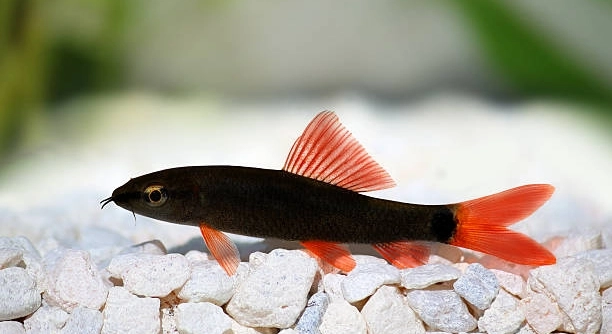
Setting up a Rainbow Shark aquarium requires thoughtful preparation to ensure a healthy and vibrant environment. These fish have specific needs that must be met for them to thrive. Proper care starts with understanding their natural behavior and habitat requirements.
Successful aquarium setup involves balancing water conditions, tank size, diet, and compatibility with other fish species. Maintaining stable water parameters and providing adequate space prevents stress and promotes the well-being of Rainbow Sharks in captivity.
Knowing these basics will help create a suitable home for your Rainbow Shark. The following points will guide you through important considerations for a thriving aquarium.
Tank Size and Setup
Rainbow Sharks need plenty of space to swim comfortably. A minimum tank size of 30 gallons is recommended, but larger tanks work better to reduce territorial behavior. Providing hiding spots with rocks, plants, and driftwood will help them feel secure. These fish prefer a well-decorated tank with places to explore and retreat when stressed. Substrate can be smooth gravel or sand, which mimics their natural riverbed environment. Keep the tank covered since Rainbow Sharks are known to jump occasionally. A strong filtration system is essential to maintain water quality and oxygen levels. Regular water changes and monitoring are necessary to keep the environment healthy for your fish. Maintaining a steady temperature between 72-79°F will keep them comfortable.
Proper tank size and environment help prevent aggression and stress, supporting the Rainbow Shark’s natural behavior.
When setting up your tank, consider how much space your Rainbow Shark will need to swim freely and establish territory. Avoid overcrowding with too many fish, as this can cause stress and conflicts. Decorate the tank thoughtfully to provide hiding places while maintaining open swimming areas. A balanced setup encourages a peaceful and active fish.
Water Parameters and Quality
Rainbow Sharks thrive in clean, stable water conditions. The ideal pH range is between 6.5 and 7.5, with moderate water hardness. It’s important to test water regularly for ammonia, nitrite, and nitrate levels to prevent harmful spikes. Frequent water changes, about 20-30% weekly, help maintain these parameters. Filtration should be efficient enough to keep the water clear and oxygen-rich without causing strong currents. Temperature consistency is critical, as rapid fluctuations can stress the fish and weaken their immune system. Using a reliable heater and thermometer ensures stable conditions. Avoid overcrowding and overfeeding, as these contribute to water quality issues. Keeping the tank clean reduces the risk of disease and promotes healthy fish growth.
Good water quality is essential for Rainbow Sharks to stay healthy and display their best colors and behavior. Regular care and monitoring create an ideal aquatic environment.
Diet and Feeding
Rainbow Sharks are omnivores and need a balanced diet. They eat flakes, pellets, and occasional live or frozen foods like bloodworms or brine shrimp. Feeding twice a day in small amounts helps avoid overfeeding and water pollution.
A varied diet supports Rainbow Sharks’ health and vibrant colors. Providing high-quality flakes or sinking pellets designed for bottom feeders ensures they get necessary nutrients. Supplement their diet with live or frozen foods to add protein and variety, which encourages natural foraging behavior. Avoid feeding only one type of food to prevent nutritional deficiencies. Observe their eating habits to adjust portions, ensuring all food is consumed within a few minutes. Uneaten food should be removed to maintain water quality.
Proper feeding promotes growth and reduces aggression caused by hunger. Feeding your Rainbow Shark consistently and with care helps keep it active and healthy over time.
Compatibility with Other Fish
Rainbow Sharks can be territorial, especially as they mature. It’s best to avoid housing them with very small or slow-moving fish that might be stressed or bullied. They do well with similarly sized, active fish.
Careful selection of tank mates is important to maintain peace in the aquarium. Avoid aggressive or highly territorial species that compete for space. Good companions include fast swimmers like danios or barbs that can coexist without provoking fights. Providing plenty of hiding spaces reduces conflicts by allowing fish to retreat. Monitor interactions regularly to detect any signs of stress or aggression early. Introducing fish at the same time helps reduce territorial disputes. A balanced community tank environment supports healthy social behavior for all fish involved.
Lighting and Decor
Rainbow Sharks prefer moderate lighting that mimics their natural environment. Too bright lighting can cause stress and hiding behavior.
Using floating plants or shaded areas helps create comfortable spots in the tank. Avoid overly flashy decorations that reduce swimming space.
Health and Common Issues
Rainbow Sharks are generally hardy but can suffer from common fish diseases like ich or fin rot. Early detection and treatment are key. Keeping water clean and stable reduces the risk of illness. Quarantining new fish before adding them to the main tank prevents introducing diseases. Regular observation helps spot behavioral or physical changes early. Balanced nutrition and proper tank conditions support their immune system and overall health.
Breeding Considerations
Breeding Rainbow Sharks in home aquariums is difficult due to their territorial nature. Special tank setups and conditions are often required to encourage spawning.
FAQ
How often should I feed my Rainbow Shark?
Feeding your Rainbow Shark twice daily with small portions is ideal. Overfeeding can cause water quality issues and lead to obesity, while underfeeding may stress the fish. Aim to give only as much food as they can eat in about 3-5 minutes, removing any leftovers promptly.
Can Rainbow Sharks live with other fish?
Yes, Rainbow Sharks can coexist with other fish if tank mates are carefully chosen. Avoid very small, slow, or overly aggressive fish. Suitable companions include fast-moving species like danios or barbs. Providing hiding places helps reduce aggression and territorial disputes.
What size tank is best for a Rainbow Shark?
A minimum of 30 gallons is recommended for a single Rainbow Shark. Larger tanks provide more swimming space and reduce territorial aggression. Bigger tanks are especially important if you plan to keep other fish or multiple Rainbow Sharks together.
How do I maintain water quality for my Rainbow Shark?
Regular water testing and weekly water changes of 20-30% keep water parameters stable. Use a reliable filtration system and avoid overcrowding. Test for ammonia, nitrites, nitrates, and pH levels regularly to catch problems early and maintain a healthy environment.
What temperature should I keep the aquarium?
Rainbow Sharks prefer water temperatures between 72°F and 79°F (22°C – 26°C). Use a heater with a thermostat to maintain consistent warmth. Avoid sudden temperature changes as they can stress the fish and make them more susceptible to illness.
What do Rainbow Sharks eat?
Rainbow Sharks are omnivores. Feed them a mix of high-quality flakes or pellets designed for bottom feeders, supplemented with live or frozen foods like bloodworms or brine shrimp. This balanced diet supports their growth, color, and health.
How can I reduce aggression in my Rainbow Shark?
Provide enough space and hiding spots to help reduce territorial behavior. Avoid overcrowding and choose tank mates carefully. Rearranging tank decorations occasionally can disrupt established territories and reduce conflicts.
Are Rainbow Sharks jumpers?
Yes, Rainbow Sharks are known to jump out of tanks occasionally. Keeping a secure lid on your aquarium is important to prevent escapes and injuries.
How do I know if my Rainbow Shark is healthy?
A healthy Rainbow Shark is active, eats well, and shows vibrant colors. Watch for signs of illness like lethargy, loss of appetite, faded colors, or damaged fins. Prompt action can prevent health problems from worsening.
Can I breed Rainbow Sharks at home?
Breeding Rainbow Sharks in a home aquarium is challenging due to their territorial nature. It requires a specially set-up breeding tank and specific water conditions. Most hobbyists focus on care rather than breeding.
How often should I clean the tank?
Perform partial water changes weekly, about 20-30%, and clean substrate as needed to remove debris. Avoid cleaning everything at once to maintain beneficial bacteria. Regular maintenance supports water quality and fish health.
What pH level is best for Rainbow Sharks?
Maintain a pH between 6.5 and 7.5 for Rainbow Sharks. This range matches their natural habitat and keeps them comfortable. Sudden shifts in pH can cause stress, so gradual changes are safer if adjustments are needed.
Setting up and maintaining a Rainbow Shark aquarium takes careful planning and attention. These fish require specific conditions to thrive, including the right tank size, clean water, and a balanced diet. Understanding their natural behavior helps in creating an environment that meets their needs. Providing enough space and hiding spots can reduce stress and aggression, making the tank a healthier place for them and any other fish you choose to keep.
Water quality is a critical part of caring for Rainbow Sharks. Keeping the water clean and stable prevents many common health problems. Regular water testing, proper filtration, and scheduled water changes are necessary tasks for every aquarium owner. Temperature and pH levels should remain consistent to avoid stressing the fish. When these conditions are met, Rainbow Sharks tend to be more active and display their bright colors, adding life to your aquarium.
Feeding your Rainbow Shark a varied and nutritious diet supports their health and longevity. It’s important not to overfeed, as leftover food can pollute the tank and harm water quality. Careful selection of tank mates helps maintain a peaceful environment and reduces territorial disputes. Overall, a well-maintained aquarium with the right setup offers a rewarding experience, allowing you to enjoy watching your Rainbow Shark flourish in a healthy, balanced habitat.

Hello,
If you enjoy the content that we create, please consider saying a "Thank You!" by leaving a tip.
Every little bit helps us continue crafting quality advice that supports the health, happiness, and well-being of pets around the world, for pets of all shapes, sizes, and species.
We really appreciate the kindness and support that you show us!