
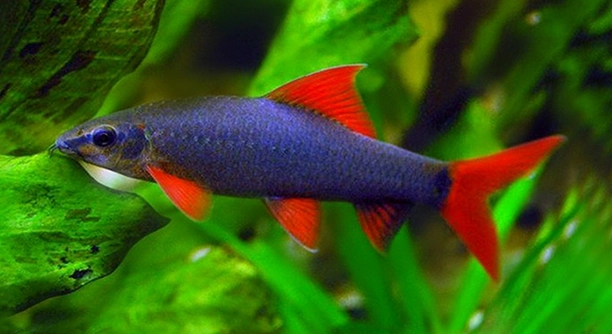
Housing multiple Rainbow Sharks requires careful planning to ensure a peaceful aquarium environment. These fish have unique needs and behaviors that can affect their compatibility and health. Proper setup is key to maintaining balance in your tank.
Successfully housing multiple Rainbow Sharks depends on tank size, hiding spaces, water quality, and compatible tank mates. Overcrowding or poor conditions can lead to stress and aggression, which negatively impact their wellbeing and survival.
Knowing these important factors will help you create a harmonious home for your Rainbow Sharks and keep them thriving together.
Tank Size Matters for Multiple Rainbow Sharks
A large tank is essential when housing more than one Rainbow Shark. These fish grow to about six inches and need space to swim freely without feeling crowded. A tank of at least 55 gallons is recommended for two Rainbow Sharks. Smaller tanks increase stress and territorial behavior, which can lead to aggression. Providing plenty of room allows each fish to establish its own territory and reduces conflicts. Also, a bigger tank helps maintain better water quality by diluting waste and reducing harmful toxins. When space is limited, it becomes harder to control the environment and keep your fish healthy. Plants, decorations, and hiding spots should be spread out to break up the tank visually. This setup helps reduce stress and encourages natural behavior. In the end, investing in a proper tank size creates a stable home where multiple Rainbow Sharks can coexist peacefully and thrive.
Maintaining a large tank is a key step in preventing fights and promoting healthy fish growth.
A well-sized tank not only prevents territorial disputes but also allows for proper filtration and water circulation. This keeps the environment stable, reducing illness and stress. When Rainbow Sharks have enough space, their natural behaviors like swimming and exploring can be observed without interruption. Overall, tank size is a simple but crucial factor for their wellbeing.
Providing Adequate Hiding Spaces
Hiding spots are necessary for Rainbow Sharks to feel secure. These fish enjoy retreating when stressed or to avoid aggression. Use rocks, caves, and dense plants to create multiple shelters. This helps reduce competition and tension among the fish. Without enough hiding places, dominant individuals may harass others. Spread these hiding spots evenly throughout the tank so each fish can find its own refuge. Natural decorations also improve the tank’s look and mimic their native habitat. When Rainbow Sharks feel safe, they are more likely to show calm and natural behavior. It’s important to keep these spaces clean and well-maintained for their continued use.
By providing enough hiding places, you create a peaceful and balanced tank environment for your Rainbow Sharks.
Good hiding spots prevent stress and promote social harmony, helping Rainbow Sharks coexist without constant conflict.
Water Quality Needs
Maintaining clean water is crucial when keeping multiple Rainbow Sharks. They produce a lot of waste, which can quickly affect water conditions. Regular water changes and strong filtration are necessary to keep ammonia and nitrate levels low.
A good filtration system that provides both mechanical and biological filtration is essential. It removes waste particles and helps break down harmful toxins that build up in the tank. Testing water parameters frequently ensures that the pH, ammonia, nitrites, and nitrates stay within safe limits. Rainbow Sharks prefer slightly acidic to neutral water, so monitoring the pH is important. Without proper filtration and water changes, fish can become stressed and more prone to disease. Maintaining water quality keeps your fish healthy and active.
Besides filtration, frequent partial water changes help maintain stable water conditions. Replacing 20-30% of the water weekly removes excess waste and replenishes minerals. Avoid sudden changes in water temperature or chemistry to prevent shock. Good water quality reduces aggression and supports a healthy environment where multiple Rainbow Sharks can live together comfortably.
Feeding Multiple Rainbow Sharks
Feeding multiple Rainbow Sharks requires attention to their diet and feeding habits. They are omnivores that enjoy a variety of foods, including flakes, pellets, and occasional live or frozen treats. Make sure all fish get enough food without overfeeding.
Offer food in small amounts multiple times a day to avoid leftovers that can pollute the tank. Use sinking pellets or wafers to reach bottom dwellers. Observe your fish during feeding to ensure no one is being bullied or missing out on food. Balanced nutrition helps maintain vibrant colors and supports their immune system.
Providing a mix of protein and vegetable-based foods meets their dietary needs. Vegetables like blanched zucchini or spinach add fiber and variety. Feeding routines reduce stress by giving each fish a chance to eat properly. Adjust feeding amounts based on the number of fish and their size. A healthy diet keeps multiple Rainbow Sharks active and less likely to fight.
Tank Mates Compatibility
Choosing the right tank mates is vital when housing multiple Rainbow Sharks. They can be territorial and aggressive, especially in small tanks. Avoid keeping them with slow-moving or very small fish that could be bullied or stressed.
Ideal tank mates include fast, robust species like barbs, danios, or larger tetras. These fish can handle the Sharks’ active nature without provoking fights. Compatibility reduces stress and promotes a peaceful community tank.
Monitoring Behavior and Health
Watch your Rainbow Sharks closely for signs of aggression, illness, or stress. Early detection helps prevent serious problems.
Regular observation helps maintain harmony and well-being in the tank.
Maintaining Stable Water Temperature
Rainbow Sharks thrive in temperatures between 74°F and 82°F. Keeping a stable temperature within this range supports their health and reduces stress.
Avoid sudden temperature changes, which can weaken their immune system and lead to disease.
FAQ
How many Rainbow Sharks can I keep in one tank?
The number of Rainbow Sharks you can keep depends mostly on tank size. For two Rainbow Sharks, a minimum of 55 gallons is recommended. Adding more fish means you need a larger tank to prevent overcrowding and reduce territorial aggression. Overcrowding leads to stress, which can cause illness and fighting. Always provide enough space for each fish to swim and claim its own area.
What are signs of aggression between Rainbow Sharks?
Common signs include chasing, biting fins, and hiding. Aggressive behavior often happens if the tank is too small or hiding spots are insufficient. Watch for damaged fins or constantly stressed fish. When aggression occurs, consider rearranging the tank decorations to break line of sight or increasing tank size. Sometimes separating the most aggressive fish is necessary.
Can Rainbow Sharks live with other fish species?
Yes, but tank mates should be chosen carefully. Avoid slow-moving or very small fish because they may be bullied. Fast, peaceful species like barbs, danios, or larger tetras usually coexist well with Rainbow Sharks. Ensure the tank is large enough to provide space for all species to reduce territorial disputes.
How often should I clean the tank when housing multiple Rainbow Sharks?
Regular maintenance is key. Perform partial water changes of 20-30% weekly to keep water clean and healthy. Use a strong filtration system suitable for your tank size and bioload. Cleaning the substrate and removing uneaten food prevents toxin buildup. Monitoring water parameters frequently helps catch problems early.
What diet is best for multiple Rainbow Sharks?
A balanced diet with flakes, pellets, and occasional live or frozen foods works best. Rainbow Sharks are omnivores, so offering vegetable matter like blanched spinach or zucchini helps. Feeding small amounts multiple times a day prevents overfeeding and keeps water clean. Observe to make sure all fish eat well, especially if there is competition.
How do I reduce stress in a tank with multiple Rainbow Sharks?
Provide enough space, hiding spots, and compatible tank mates. Stable water conditions and proper feeding routines also reduce stress. Avoid sudden changes in temperature or water chemistry. Stress can cause illness and aggression, so maintaining a peaceful environment is essential.
What water temperature is ideal for Rainbow Sharks?
Keep the water between 74°F and 82°F. Use a reliable heater and thermometer to maintain stable temperature. Avoid rapid fluctuations, which can weaken the fish’s immune system and lead to disease.
Can Rainbow Sharks live in planted tanks?
Yes, they can live in planted tanks if plants are sturdy and well-rooted. Rainbow Sharks sometimes dig around plants, so using hardy species like Java fern or Anubias works well. Plants provide hiding spots and improve water quality, benefiting the fish overall.
How long do Rainbow Sharks typically live?
With proper care, Rainbow Sharks can live up to 8-10 years. Good water quality, a balanced diet, and a stress-free environment contribute to their longevity. Monitoring health regularly helps catch and treat problems early.
What should I do if my Rainbow Sharks start fighting frequently?
First, check tank size and hiding spots. Increasing tank size or adding more shelters may reduce aggression. Rearranging decorations can break up territories. If fights continue, consider separating aggressive fish temporarily or permanently. Ensuring proper feeding and water quality also helps minimize conflicts.
Keeping multiple Rainbow Sharks in one tank takes effort and attention. These fish have strong personalities and specific needs that must be met to ensure they live together peacefully. A large enough tank is the first step, giving each fish space to swim and establish its own area. Without enough room, stress and aggression can easily develop. It is important to think about tank size before adding more than one Rainbow Shark.
Another key factor is providing hiding spots. These fish like to have places where they can retreat when they feel threatened or stressed. Rocks, caves, and plants help break up the tank and offer safe spaces. Hiding places reduce fighting by giving fish an option to avoid confrontation. Keeping the tank environment comfortable and natural helps Rainbow Sharks feel secure and behave calmly.
Maintaining good water quality is also essential. Rainbow Sharks produce a lot of waste, so regular water changes and strong filtration are necessary to keep the water clean and healthy. Stable water conditions reduce the risk of disease and stress. Feeding a balanced diet and choosing compatible tank mates help promote harmony in the tank. By paying close attention to these needs, you can create a peaceful and thriving home for your Rainbow Sharks. Taking the time to provide proper care will result in healthier fish that are more active and show their natural colors beautifully.

Hello,
If you enjoy the content that we create, please consider saying a "Thank You!" by leaving a tip.
Every little bit helps us continue crafting quality advice that supports the health, happiness, and well-being of pets around the world, for pets of all shapes, sizes, and species.
We really appreciate the kindness and support that you show us!