
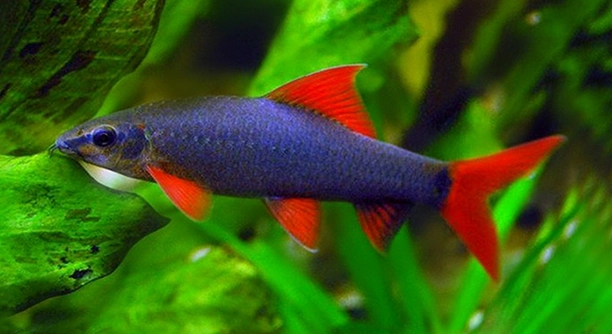
Adding tankmates for your rainbow shark can be a tricky process. It is important to consider their behavior, size, and tank environment. Many factors affect how well different fish will live together in one aquarium.
Choosing compatible tankmates for a rainbow shark requires careful evaluation of species temperament, territorial behavior, tank size, and water parameter needs to ensure a peaceful and healthy community aquarium environment.
Knowing what to consider will help you create a balanced and happy tank for your rainbow shark and its new companions.
Understanding Rainbow Shark Behavior
Rainbow sharks are known for their territorial nature. They can become aggressive, especially toward fish that invade their space or share similar body shapes. This behavior means you need to carefully select tankmates that won’t provoke them or compete for the same area. Typically, rainbow sharks do best with species that stay in different parts of the tank or have peaceful temperaments. Keeping a well-decorated tank with plenty of hiding spots can reduce stress and aggression. It is also important to monitor interactions regularly to prevent any serious conflicts that could harm the fish.
Creating a calm environment will help your rainbow shark feel secure and less likely to attack other fish.
Rainbow sharks are more active during the day and like to swim near the bottom. Choosing tankmates that prefer other tank levels helps minimize clashes. Also, avoid small fish that the shark might see as food. By matching different swimming habits and sizes, you can keep the peace in your aquarium.
Tank Size and Space Requirements
Tank size is one of the most important factors when adding tankmates for your rainbow shark. These fish need enough room to swim and establish their own territory. A small tank often leads to stress and increased aggression because there isn’t enough space for all the fish to spread out. Ideally, a tank of at least 30 gallons is recommended for one rainbow shark. Adding tankmates means you might need even more space to ensure everyone has enough room to avoid constant conflict.
A larger tank helps reduce stress and allows the fish to coexist more peacefully.
In a bigger tank, you can arrange plants, rocks, and decorations to create separate zones. This setup helps each fish have its own space, reducing territorial disputes. When selecting tankmates, also consider how much swimming room each species requires. Some fish are very active and need open areas, while others prefer hiding spots. Planning the tank layout carefully improves the chances that your rainbow shark and its companions will live together comfortably. Remember, overcrowding will increase aggression, so always provide enough space for all your fish to thrive.
Compatible Tankmates for Rainbow Sharks
Choosing the right tankmates can make a big difference in your aquarium’s harmony. Avoid aggressive or very small fish. Ideal companions are peaceful, active fish that occupy different tank levels than the rainbow shark.
Good tankmates include species like danios, barbs, and certain types of catfish. These fish usually stay in the middle or upper parts of the tank, giving the rainbow shark space near the bottom. They also tend to be hardy and adaptable to similar water conditions. Avoid slow-moving or long-finned fish, as they might become targets of the rainbow shark’s occasional aggression. Keep in mind, even peaceful fish need enough space to reduce stress and prevent fighting.
When selecting tankmates, consider their temperament and swimming habits. Fish that swim quickly and keep to themselves work best. Also, shy species can benefit from hiding places to avoid unwanted attention. This balance ensures a peaceful, healthy tank environment where all fish can thrive.
Water Parameters and Tank Setup
Maintaining proper water conditions is essential for the well-being of rainbow sharks and their tankmates. They prefer slightly acidic to neutral pH levels between 6.5 and 7.5 and water temperatures around 74–80°F (23–27°C). Keeping these stable reduces stress and promotes health.
Good filtration and regular water changes keep the water clean and oxygen-rich. Avoid overcrowding to maintain water quality. Decorations such as rocks, caves, and plants provide hiding spots and help establish territories, reducing aggression. A well-planned tank layout with varied zones supports peaceful coexistence. Monitoring water parameters regularly is important to catch issues early before they affect your fish.
Proper water care and a thoughtful tank setup help your rainbow shark and its companions stay healthy and comfortable. This makes your aquarium easier to manage and more enjoyable to watch.
Feeding Compatibility
Rainbow sharks are omnivores with a diet that includes algae, pellets, and occasional protein treats. Their tankmates should have similar dietary needs to avoid competition or starvation. Providing balanced food options helps keep all fish healthy.
Feeding should be done in multiple spots to ensure all fish get enough. This reduces stress and aggression during mealtime.
Monitoring Behavior
It’s important to watch how your rainbow shark interacts with tankmates regularly. Look for signs of stress, aggression, or hiding. Early detection of problems allows quick action to prevent injury or death.
If aggression is high, consider rearranging decorations or separating fish temporarily. Keeping a close eye helps maintain a peaceful tank environment.
Quarantine New Fish
Always quarantine new tankmates before adding them to your rainbow shark’s aquarium. This prevents introducing diseases or parasites. A 2–4 week quarantine period is recommended.
Quarantine helps ensure new fish are healthy and compatible before mixing them with your established community.
FAQ
What types of fish are best tankmates for rainbow sharks?
Peaceful, fast-swimming fish that stay in different tank levels work best. Danios, barbs, and certain catfish are good options. These species usually avoid conflict by occupying the middle or upper parts of the tank while the rainbow shark prefers the bottom. Avoid small or slow-moving fish with long fins, as rainbow sharks may see them as targets.
How many fish can I keep with a rainbow shark in one tank?
Tank size matters most. For a 30-gallon tank, one rainbow shark and a handful of peaceful tankmates are recommended. Overcrowding leads to stress and aggression. Larger tanks allow for more fish and better territory division. Always give each species enough space to swim and hide.
Can rainbow sharks live with goldfish or bettas?
Goldfish and bettas are not good choices. Goldfish prefer cooler water and have different care needs. Bettas are often aggressive and territorial, which can cause fights with rainbow sharks. It’s better to avoid these combinations for a peaceful tank.
How do I prevent aggression between rainbow sharks and other fish?
Providing enough space and hiding spots reduces aggression. Use plants, rocks, and decorations to create territories. Feeding fish in different areas prevents competition. Regularly monitor behavior and separate fish if fights start. A stable environment with consistent water parameters also helps reduce stress-related aggression.
What water conditions do rainbow sharks need?
Rainbow sharks prefer slightly acidic to neutral pH between 6.5 and 7.5 and temperatures from 74 to 80°F (23–27°C). Maintaining clean, well-oxygenated water is important. Use a good filtration system and perform regular water changes to keep water quality high.
How often should I feed my rainbow shark and its tankmates?
Feed small amounts twice a day. Rainbow sharks eat sinking pellets, algae wafers, and occasional protein foods like bloodworms. Make sure all fish get food by spreading it around the tank. Overfeeding can harm water quality and fish health, so remove uneaten food after a few minutes.
Is it necessary to quarantine new tankmates before adding them?
Yes, quarantining new fish for 2 to 4 weeks prevents disease spread. It helps ensure new arrivals are healthy before mixing them with your established fish. Quarantine tanks should have similar water conditions to the main tank for easier transition.
What signs show a rainbow shark is stressed or unhealthy?
Signs include hiding more than usual, loss of color, clamped fins, rapid breathing, or lack of appetite. Stress can lead to illness, so quick action is important. Check water parameters, improve tank conditions, and remove aggressive tankmates if needed.
Can rainbow sharks tolerate community tanks with many fish?
They can, but only with proper space and compatible species. Large tanks with diverse fish that avoid the bottom level tend to work best. Overcrowding or mixing aggressive species increases the chance of conflict.
How do I choose decorations and plants for a rainbow shark tank?
Use sturdy plants and hardscape like rocks or driftwood to create hiding spots. Rainbow sharks like places to claim as territory. Avoid delicate plants that may get uprooted. Decorations help reduce stress and aggression by breaking up open spaces.
These questions cover common concerns when adding tankmates for rainbow sharks. Keeping your tank balanced and peaceful requires careful planning, regular observation, and good water care.
Final Thoughts
Adding tankmates for your rainbow shark requires careful planning to keep the aquarium peaceful and healthy. Understanding the shark’s behavior and needs is key. These fish are territorial and can be aggressive, so selecting compatible species that swim in different tank areas helps reduce conflict. Providing enough space and hiding spots is also very important. A well-decorated tank gives each fish room to feel secure, which lowers stress and keeps aggression at bay. Planning your tank setup before adding fish will save you time and trouble later.
Water conditions play a big role in the success of your community tank. Rainbow sharks prefer stable water with a neutral pH and temperatures around 74 to 80°F (23–27°C). Keeping these conditions steady and ensuring good filtration helps all fish stay healthy. Regular water changes and cleaning reduce waste buildup and prevent illness. If you maintain good water quality, your fish will be more active and less prone to stress or disease. Monitoring water parameters often is a simple step that improves your entire aquarium environment.
Lastly, always watch how your rainbow shark interacts with its tankmates. Even with careful planning, some fish may not get along. If you see signs of bullying, injury, or stress, take action quickly. This might mean rearranging decorations, increasing tank size, or separating certain fish. Quarantining new fish before adding them helps avoid introducing illness or aggression. By staying attentive and proactive, you can create a balanced tank where your rainbow shark and other fish live comfortably together for a long time.

Hello,
If you enjoy the content that we create, please consider saying a "Thank You!" by leaving a tip.
Every little bit helps us continue crafting quality advice that supports the health, happiness, and well-being of pets around the world, for pets of all shapes, sizes, and species.
We really appreciate the kindness and support that you show us!