
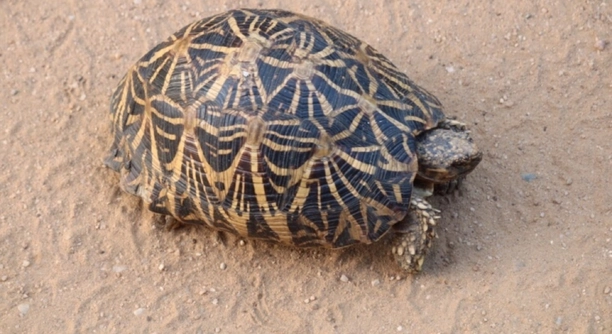
Are you thinking about getting an Indian Star Tortoise as a pet? These unique creatures are captivating, but it’s important to understand their needs before making the commitment. Proper care is essential for their health and happiness.
Before getting an Indian Star Tortoise, ensure that you can provide the appropriate habitat, diet, and healthcare. These tortoises require a warm environment, specialized food, and attention to their wellbeing to thrive in captivity.
Proper care is key to ensuring they live a long and healthy life. Understanding their habitat needs and dietary requirements will help you make an informed decision.
Understanding Their Habitat Needs
Indian Star Tortoises are native to India and Sri Lanka, so they need a warm, dry environment similar to their natural habitat. Their enclosure should have a temperature range of 80-90°F during the day, with a nighttime drop to around 70°F. It’s also important to provide a space that mimics the desert-like environment they are used to, with access to both warm and cooler areas for them to regulate their body temperature.
While creating their habitat, use a spacious enclosure that includes both dry areas for basking and some areas with humidity for hydration. They also need a clean, secure place to hide, like a shelter or cave, where they can rest. A combination of UVB lighting and natural sunlight is essential to prevent shell deformities and promote healthy bone growth.
A well-maintained habitat not only ensures their health but also reduces stress, allowing the tortoise to live a more comfortable life.
Providing the Right Diet
Indian Star Tortoises are herbivores and rely on a diet rich in fiber and low in protein.
A balanced diet should consist of leafy greens like dandelion, collard greens, and kale. You can also provide other vegetables like squash and carrots, but avoid high-oxalate foods like spinach, which can cause health issues. To ensure proper nutrition, you can supplement their meals with calcium powder to promote strong bones and shells.
Feeding your tortoise a variety of safe, fresh plants will keep them healthy and help prevent common dietary issues like shell pyramiding. Avoid giving them fruits regularly, as too much sugar can harm them. Always keep fresh water available for hydration.
Proper Healthcare and Maintenance
Indian Star Tortoises, like all pets, require regular health checks. They are prone to issues like respiratory infections and shell rot if not properly cared for. Make sure their habitat is cleaned regularly, removing any waste to prevent bacteria buildup. A diet rich in fiber and low in protein also helps keep their digestive system functioning well. If your tortoise is not eating or seems sluggish, it could be a sign of a health problem, and it’s important to consult a veterinarian who specializes in reptiles.
Regularly check their shell for any signs of damage or disease, as the condition of the shell is a good indicator of overall health. Also, ensure they get enough exposure to UVB lighting, as this helps them metabolize calcium and maintain strong bones. Lastly, be cautious when handling your tortoise; rough handling can stress them out and even cause injury.
By staying on top of these aspects, you ensure a healthier, happier life for your tortoise.
Are They Right for You?
Before deciding, think about your ability to care for a tortoise long-term.
Indian Star Tortoises live for decades, and you need to ensure that you can provide them with the proper environment and care for their entire lifespan. This means committing time and effort to cleaning their habitat, preparing meals, and making sure they stay healthy.
Space Requirements
Indian Star Tortoises require a large, spacious enclosure. A small tank won’t suffice for their long-term health. The general rule of thumb is to provide at least 10 square feet of space per tortoise. This allows them to roam, explore, and stay active.
In addition to space, ensure that their environment is equipped with proper heating, lighting, and hiding spots. Providing them with a large enclosure not only prevents stress but also gives them room to exercise, which is essential for maintaining a healthy weight and muscle tone. You should also create separate areas for basking and cooling down.
Without enough space, tortoises may become stressed and develop health problems. Ensure their environment allows them to engage in natural behaviors, which will help keep them mentally and physically stimulated.
Temperature and Lighting Needs
Tortoises require both warmth and UVB lighting to stay healthy. They need a temperature gradient in their enclosure with a warm area around 90°F and a cooler zone of around 70°F. A heat lamp is essential for basking.
UVB lighting is crucial for Indian Star Tortoises because it helps them absorb calcium, which is vital for their shell and bone health. If they don’t get enough UVB exposure, they can develop metabolic bone disease, which can be life-threatening. It’s important to provide UVB lighting for at least 12 hours a day, or you can give them access to natural sunlight.
Without proper lighting and temperature regulation, your tortoise could face serious health issues. Ensure their habitat is well-lit and heated to mimic the warmth of their natural environment.
Handling and Interaction
Indian Star Tortoises are generally not social animals. While they can tolerate some interaction, they are not affectionate like pets such as dogs or cats. Handle them gently, and avoid excessive handling to reduce stress.
Tortoises are often more comfortable observing their environment than being held. Overhandling can cause them to feel threatened, which may lead to health issues or a decrease in their overall well-being. While they can be trained to recognize you, keep in mind that they are independent creatures.
It’s important to balance gentle handling with allowing them to explore their environment freely, where they can stay relaxed.
Grooming and Shell Care
Maintaining a tortoise’s shell is essential for their health. Clean their shell regularly to remove dirt and debris, using a soft brush and warm water.
Check for signs of damage or disease. A healthy shell should be smooth and free of cracks or infections. If you notice any changes in its appearance, contact a vet for advice.
Environmental Enrichment
Tortoises benefit from an enriched environment that encourages exploration and physical activity. Provide various objects like rocks, branches, and tunnels for them to climb on and hide in.
Incorporating these elements not only helps with their physical health but also stimulates their curiosity. Tortoises are naturally inclined to explore and forage, so the more opportunities you give them to engage with their surroundings, the happier and healthier they will be.
FAQ
How long do Indian Star Tortoises live?
Indian Star Tortoises have a long lifespan, typically living between 30 to 50 years, with some reaching even longer. Their longevity makes them a long-term commitment, so it’s essential to be prepared for many years of care. The better the environment and diet you provide, the healthier and longer your tortoise is likely to live.
What do Indian Star Tortoises eat?
These tortoises are herbivores. Their diet should mainly consist of leafy greens like dandelion greens, clover, and collard greens. Occasionally, they can eat vegetables like carrots, zucchini, and squash. However, avoid feeding them high-protein foods, as this can lead to kidney issues or shell deformities.
They also need access to calcium to support their shell and bones, so calcium supplements are important. Avoid feeding them fruits too often, as high sugar content can cause problems. Always ensure fresh water is available for hydration.
Do Indian Star Tortoises need UVB light?
Yes, UVB light is crucial for Indian Star Tortoises. It helps them synthesize vitamin D3, which is essential for absorbing calcium and maintaining strong bones and shells. Without adequate UVB exposure, they can develop metabolic bone disease, leading to weakened shells and other health complications. A UVB bulb or natural sunlight should be provided for around 12 hours a day.
Can Indian Star Tortoises live outdoors?
Indian Star Tortoises can live outdoors in suitable climates, but they must be in an enclosed, safe area. The temperature must remain warm enough, and the outdoor space must be secure from predators. In areas where the temperature drops below 70°F, you should bring them indoors. Additionally, be sure the outdoor space has plenty of hiding spots, and ensure it’s free from any harmful plants.
How often should I clean my Indian Star Tortoise’s enclosure?
It’s important to clean their enclosure regularly. Waste should be removed daily, as it can lead to bacteria buildup, causing health issues. You should do a full cleaning once a week, wiping down surfaces and changing the bedding. Make sure the water dish is cleaned and refilled daily, ensuring your tortoise has access to fresh water at all times.
Do Indian Star Tortoises need a basking spot?
Yes, basking is an essential behavior for Indian Star Tortoises. A basking spot allows them to regulate their body temperature and absorb heat, which is vital for their digestion and overall health. The basking area should be around 90°F. Using a heat lamp will help create this environment. Be sure to offer a cooler area in the enclosure as well, so your tortoise can move to a more comfortable spot when needed.
What temperature should the enclosure be?
The enclosure needs a temperature gradient. The basking area should be around 90°F during the day, and the cooler area should be around 70°F. This gradient allows the tortoise to move to different areas as needed to regulate its body temperature. If the temperature is too cold, your tortoise may become lethargic or develop respiratory issues.
At night, it’s safe for the temperature to drop to around 70°F. However, avoid drastic temperature fluctuations, as these can cause stress.
Do I need to provide a hiding spot for my Indian Star Tortoise?
Yes, hiding spots are important. In their natural habitat, Indian Star Tortoises often hide under rocks or vegetation. Offering a shelter or a hiding spot in their enclosure gives them a place to retreat and feel secure. This is essential for reducing stress and promoting their overall well-being. Make sure the hiding spot is large enough for them to comfortably move in and out.
Are Indian Star Tortoises social?
Indian Star Tortoises are not highly social animals. While they can tolerate the presence of other tortoises, they are generally solitary creatures. They don’t require social interaction like dogs or cats, and overhandling can lead to stress. However, they may interact with their environment and occasionally with each other if housed together, but it’s important to ensure there’s enough space for each tortoise to have its own area.
What should I do if my Indian Star Tortoise is not eating?
If your tortoise is refusing to eat, first check the temperature and lighting in the enclosure. Improper temperature or lack of UVB light can lead to a loss of appetite. Ensure they’re getting the right food and avoid offering high-protein or sugary foods. If the problem persists, it could be a sign of a health issue, and you should consult a veterinarian who specializes in reptiles.
Can I keep an Indian Star Tortoise with other pets?
It’s generally not recommended to house an Indian Star Tortoise with other pets, especially those that may view it as prey or cause stress. Pets like dogs, cats, or other smaller animals could be aggressive or intrusive, stressing the tortoise. It’s best to keep them in a quiet and secure environment where they are the sole focus of your care.
How can I tell if my Indian Star Tortoise is healthy?
A healthy tortoise should have a smooth, intact shell with no cracks or soft spots. Its eyes should be clear and alert, and it should be active and responsive. The tortoise should also eat regularly and maintain a healthy weight. If you notice any changes in behavior, such as lethargy, weight loss, or refusal to eat, it’s best to consult a veterinarian.
What type of substrate should I use in their enclosure?
A natural substrate like coconut coir, cypress mulch, or a mixture of sand and soil works best for Indian Star Tortoises. Avoid using pine or cedar wood shavings, as they can be harmful to their respiratory system. The substrate should be dry but also able to hold moisture to maintain a proper humidity level.
Final Thoughts
Owning an Indian Star Tortoise can be a rewarding experience, but it comes with a long-term commitment. These tortoises can live for decades, which means you will need to provide a stable, enriching environment for them throughout their entire life. It’s important to ensure you have the right space, proper diet, and the necessary knowledge to care for them. With the right environment, your tortoise can thrive, growing healthy and strong over the years.
While they are relatively low-maintenance compared to some pets, Indian Star Tortoises do require specific care to stay healthy. Their habitat must be maintained at the right temperature, humidity, and lighting, and you’ll need to provide a diet of fresh, fibrous greens. Regular health check-ups are also important, as they can be prone to certain conditions if not properly cared for. By paying attention to these factors, you can help ensure that your tortoise leads a long, happy life.
Before deciding to adopt an Indian Star Tortoise, it’s crucial to evaluate your lifestyle and your ability to meet their needs. They are not pets that can be left on their own for long periods, and their needs will only grow as they age. If you’re prepared to give them the care they deserve, they can make fascinating companions, offering you a glimpse into the slow, steady rhythm of the natural world. Make sure you’re ready for the responsibility that comes with caring for a tortoise, and you’ll be rewarded with a unique pet that can live alongside you for many years.

Hello,
If you enjoy the content that we create, please consider saying a "Thank You!" by leaving a tip.
Every little bit helps us continue crafting quality advice that supports the health, happiness, and well-being of pets around the world, for pets of all shapes, sizes, and species.
We really appreciate the kindness and support that you show us!