
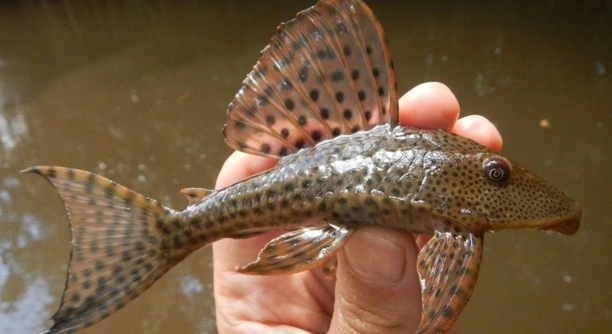
Are your aquarium plans coming together, but you’re still unsure if your tank is ready for a new pleco friend?
Before adding a pleco, it’s essential to clean specific parts of the tank to ensure a healthy environment. Cleaning prevents waste buildup, maintains water quality, and reduces stress for the pleco. Proper preparation helps promote a smooth transition.
From algae-covered decorations to hidden filter gunk, these often-overlooked areas play a big role in your pleco’s well-being.
Clean the Glass and Tank Walls
Algae often collects on the glass and tank walls, especially in spots with strong lighting. Before adding a pleco, it’s a good idea to scrub off any visible buildup. This doesn’t just make the tank look better—it also helps the pleco settle in without having to deal with excessive algae right away. Use a clean sponge or algae scraper that hasn’t been used with soap or chemicals. Start from the top of the glass and work your way down, being gentle to avoid scratching the surface. Even if your pleco is expected to eat algae, it’s not fair to make it clean up everything. Giving them a cleaner start helps reduce their stress and supports healthier behavior. Cleaning the tank walls regularly also helps you notice other things—like scratches, grime buildup, or early signs of bacteria. Always wipe down the outside of the glass with a dry cloth too.
Plecos are great algae eaters, but they shouldn’t be expected to clean a neglected tank. A fresh start is better for their health.
Starting with clean walls can set the tone for the rest of the tank. It’s a small effort that gives your pleco more space to explore without competing with layers of buildup. They’ll still find some to nibble on, but it won’t be overwhelming.
Rinse Decorations and Rocks
Decorations and rocks can trap waste and uneaten food, especially in tanks that haven’t been cleaned in a while.
You don’t need to remove everything, but lifting out key items and rinsing them with warm, dechlorinated water can make a difference. Avoid using soap or cleaners, as these can leave behind harmful residue. Scrub off any algae or dirt using a soft brush or sponge, and take the time to inspect items for sharp edges or damage that might hurt your pleco. Driftwood, caves, and hiding spots are important for plecos, but they can also hold a lot of gunk. If something smells bad or feels slimy, it likely needs a better rinse. You can also swirl the water around larger rocks while they’re still in the tank to dislodge trapped waste. Plecos often stay close to the bottom, so it’s best to keep their favorite zones as clean as possible. This step also improves water clarity, which benefits all your fish.
Scrub the Substrate
Gravel or sand may look clean, but it often hides leftover food, waste, and algae. These build up over time and affect the water quality. Before adding a pleco, give the substrate a deep clean using a gravel vacuum or gentle stirring.
Cleaning the substrate helps remove debris that could lead to poor water conditions. Stirring sand lightly can bring waste to the surface, while gravel vacuums are great for pulling trapped particles out. Be careful not to disturb beneficial bacteria by over-cleaning. Focus on areas with visible buildup or strong odors. Plecos spend a lot of time along the bottom, so giving them a clean surface reduces stress and supports better behavior. Doing this also helps prevent cloudy water and unpleasant smells, both of which make the tank less stable. You don’t have to remove all the gravel—just clean it thoroughly in sections over time.
Plecos love to rest or search along the bottom of the tank, which makes a clean substrate even more important. If it’s full of waste, they’ll be sitting in conditions that can lead to illness or stress. Clean gravel or sand doesn’t just look better—it keeps everything more balanced and helps other fish too.
Wash the Filter Parts
Filters do a lot of work and collect waste that can’t be seen right away. Plecos need steady water flow and clean water, so make sure your filter is free from buildup and clogs before they arrive.
Take out the filter media and rinse it in old tank water to keep helpful bacteria alive. Avoid using tap water unless it’s dechlorinated, since chlorine can wipe out that good bacteria. Check the impeller, hoses, and sponges for any buildup or algae. If your filter has slowed down recently, it might be clogged or coated with gunk. Clean parts gently with a soft brush or your hands—scrubbing too hard can damage delicate parts. A clean filter runs better, keeps the water clear, and helps your pleco thrive in a low-stress environment. It also makes it easier to spot any issues before they become serious problems in your tank.
Clean the Heater and Thermometer
Heaters can get a layer of algae or mineral buildup that affects their performance. Wipe them down gently with a sponge or cloth. A clean heater helps keep the temperature stable, which is important for a pleco’s comfort and overall health.
Thermometers can also collect grime, making it hard to read temperatures accurately. Take a moment to clean off any dirt or spots so you can monitor your tank properly. A clean, working thermometer ensures your pleco won’t be exposed to temperature swings or unsafe conditions.
Wipe the Tank Lid and Lights
Tank lids and light covers often collect dust, dried water spots, or algae film from inside the tank. Use a clean cloth to wipe these areas and remove any buildup. A dirty lid can block light or fall into the tank, contaminating the water. Keeping these clean supports better lighting and airflow.
Tidy Up Airline Tubing and Equipment
Airline tubing and other accessories like air stones can develop slime or mineral deposits over time. Rinse them with warm, dechlorinated water and replace them if they seem too worn. This keeps airflow steady and prevents debris from spreading through the tank when your pleco is added.
FAQ
Can I add a pleco to a tank that already has algae?
Yes, but the tank should still be cleaned before adding one. While plecos eat algae, a dirty tank isn’t a healthy environment. Excess algae can signal deeper issues like poor water quality or bad lighting balance. You want to give your pleco a stable, safe space to settle in. Leaving heavy algae for them to clean puts too much stress on a new fish. A light amount of algae is fine, but thick buildup on glass, decorations, and equipment should be removed beforehand. Think of it as helping them start fresh—not doing all the cleanup themselves.
How long should I wait after cleaning before adding a pleco?
If you only did basic cleaning—like wiping walls, vacuuming gravel, and rinsing decorations in tank water—you can usually add the pleco right away. But if you changed a lot of water or cleaned the filter deeply, wait at least 24–48 hours. This gives the tank time to stabilize. Test the water to be sure the temperature, pH, and ammonia levels are where they should be. Any sudden change in water conditions can shock a new pleco. Slow and steady is better when introducing new fish, even if the tank looks ready.
What kind of water conditions do plecos need?
Most plecos prefer slightly acidic to neutral pH (around 6.5 to 7.5), warm water between 74°F and 80°F, and low ammonia and nitrite levels. They also need steady oxygen levels and gentle water flow. These conditions help support their digestion and activity levels. Sudden changes—like swings in temperature or pH—can cause stress, illness, or even death. It’s best to monitor your tank’s parameters regularly, especially in the days after cleaning. Also, remember that some pleco species have slightly different needs, so it’s good to check the specific type you’re getting before final setup.
Should I remove other fish while cleaning before adding a pleco?
No, it’s not usually necessary to remove other fish during regular tank cleaning. Just be gentle and move slowly to avoid stirring up too much debris or stressing them out. If you’re doing a large cleaning or rearranging heavy items, it might help to move more sensitive fish to a temporary container with tank water. But for basic scrubbing and vacuuming, leave them in. Your pleco will likely be joining a community tank, so it’s better to let the others adjust to the small changes as well. That way, the tank environment stays consistent for everyone.
Can plecos live in tanks with artificial plants?
Yes, plecos can live with artificial plants, but natural plants are usually better. Artificial plants are fine as long as they don’t have sharp edges that could scratch your pleco’s body. Soft plastic or silk plants are safer choices. However, plecos often enjoy resting on or hiding under real plants, which also help balance the water by using up extra nutrients. If you prefer fake plants for easy cleaning, that’s okay—just make sure the pleco has other hiding spots, like caves or driftwood. A mix of both can work well too.
Is driftwood really necessary for plecos?
For many types of plecos, yes—especially wood-eating varieties like the Bristlenose or Royal pleco. Driftwood provides fiber that helps with their digestion and gives them places to hide and rest. Even if your pleco doesn’t eat wood, it’s still helpful to have some in the tank for comfort and enrichment. Choose smooth, aquarium-safe driftwood and rinse it before placing it in the tank. Boiling it can help reduce tannins that tint the water. While it’s not the only hiding option, driftwood is one of the most natural and beneficial additions you can provide.
Final Thoughts
Adding a pleco to your tank is a decision that requires a bit of planning. These fish are known for their cleaning habits, but they should not be expected to take care of a dirty tank. Making sure your setup is clean and stable before they arrive will help them adjust more easily. It also reduces the risk of stress and sickness. A healthy tank makes a big difference in how well a pleco will settle in and how active they will be. Even though they may seem tough, plecos need proper care just like any other fish.
Cleaning a tank before adding a pleco doesn’t have to be hard. Simple steps like wiping the glass, rinsing the filter, and vacuuming the substrate all help create a balanced environment. These actions improve the water quality and remove hidden waste that could lead to bigger problems. It’s also a good time to check equipment like heaters, thermometers, and airline tubing to make sure everything is working well. Taking care of these areas not only benefits the pleco but also improves life for any other fish already in the tank. A clean, organized aquarium helps you spot changes early and react faster when something is off.
While plecos can help with algae control, their job is not to fix poor tank conditions. They still need clean water, stable temperature, and a calm place to hide. Decorations, driftwood, and good lighting are small things that help them feel secure. When you take the time to prepare the tank properly, the results are worth it. You’ll have a peaceful, healthy fish that adds beauty and movement to your aquarium. In the long run, regular upkeep becomes easier too. A well-maintained tank stays cleaner, and the pleco can do its natural job without being overwhelmed. Keeping their space clean from the start shows care—and that care supports a better life for your fish.

Hello,
If you enjoy the content that we create, please consider saying a "Thank You!" by leaving a tip.
Every little bit helps us continue crafting quality advice that supports the health, happiness, and well-being of pets around the world, for pets of all shapes, sizes, and species.
We really appreciate the kindness and support that you show us!