
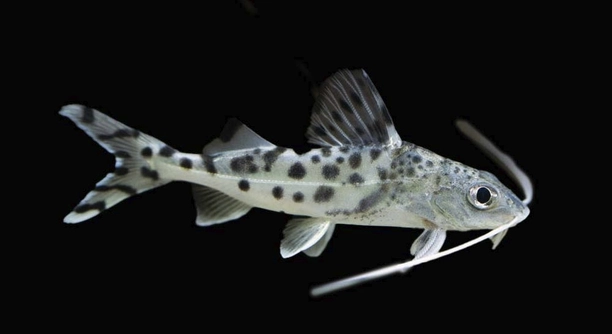
Many pictus cat owners notice their fish hiding more often than usual. This behavior can be puzzling and sometimes concerning, especially when it happens constantly. Understanding why your pictus hides is important for its well-being.
Constant hiding in pictus cats usually indicates stress or discomfort caused by environmental factors, water quality issues, or health concerns. Properly checking tank conditions, tank mates, and the fish’s health can help identify the root cause and improve its behavior.
Knowing what to check will help you create a better environment for your pictus and reduce its need to hide so often.
Tank Environment and Hiding Spots
The environment inside the tank greatly influences how comfortable your pictus feels. Too much clutter or not enough hiding places can stress your fish, making it retreat constantly. On the other hand, a tank with too many hiding spots can encourage excessive hiding behavior. Balance is key. Your pictus needs some open swimming areas as well as safe spots to feel secure. Lighting also plays a role. Bright lights can make pictus feel exposed, so softer lighting or shaded areas help reduce stress. Regularly cleaning the tank and maintaining good water quality keeps the environment healthy, which reduces hiding caused by discomfort or illness. The water temperature should also be stable, ideally between 74 and 79 degrees Fahrenheit. Sudden changes in water conditions can startle your pictus and lead to hiding.
Too many decorations can overwhelm pictus, but no cover can cause stress too. Proper lighting is equally important.
Creating a balanced tank setup gives your pictus the choice to explore or hide when it wants. Offering moderate cover along with open swimming space allows your fish to feel safe without needing to hide constantly. Check water parameters weekly, keeping ammonia and nitrite levels at zero. This prevents stress-related hiding. Adding plants and natural elements like driftwood provides comfort without overcrowding. Monitor your fish’s behavior to see if changes improve its activity. Adjust tank features gradually to avoid causing more stress.
Water Quality and Parameters
Poor water quality is a common reason pictus hide frequently. Ammonia, nitrite, or nitrate levels that are too high irritate fish and cause discomfort. Fish tend to hide to avoid stressful conditions. Testing water regularly with reliable kits helps catch problems early. Consistent water changes, about 20-30% weekly, keep toxins low and water clean. Temperature fluctuations also affect comfort. Keep the water stable in the recommended range. pH should stay between 6.5 and 7.5. Avoid overcrowding the tank, as too many fish increase waste and reduce water quality. Proper filtration is necessary to maintain a healthy environment. A well-maintained tank supports active, healthy pictus that hide less often.
Maintaining stable water parameters is essential to reduce hiding caused by stress or illness.
Keeping your tank clean and balanced ensures your pictus feels safe and comfortable. Frequent water testing and changes reduce harmful toxins. Proper filtration and a stable temperature range create a healthy home. Avoid overcrowding and monitor your fish’s behavior regularly. Adjust care routines if hiding increases.
Tank Mates and Social Stress
Aggressive or overly active tank mates cause pictus to hide more often. Stress from bullying or competition for food makes your fish seek refuge. Choosing compatible species is crucial.
Pictus catfish are peaceful and do best with calm, non-aggressive fish. Avoid housing them with territorial or fin-nipping species. Smaller, fast-moving fish may also stress pictus, increasing hiding. Observing interactions helps identify if tank mates are causing stress. If aggression is present, separating the fish or rearranging the tank to create more hiding spots may help. Compatibility improves pictus comfort and reduces constant hiding.
Providing enough space and hiding areas can minimize conflict. It’s important to maintain a peaceful community tank where pictus feels safe. Adjusting tank mates improves overall behavior and health.
Health and Disease
Illness often leads to hiding as a protective behavior. Signs like faded color, labored breathing, or lack of appetite suggest your pictus may be unwell. Early detection is key.
Parasites, bacterial infections, and fungal diseases are common issues in pictus. Water quality problems can weaken their immune system, increasing susceptibility to illness. If you notice unusual behavior or physical symptoms, isolate the fish and test water parameters immediately. Treatment depends on diagnosis but usually involves medication and improved tank care. Regular observation and preventive measures reduce disease risk and hiding due to sickness.
Maintaining a clean tank and balanced diet supports a strong immune system. Healthy pictus are more active and less likely to hide excessively.
Feeding Habits and Hiding
Pictus catfish may hide if they feel threatened during feeding times. Uneven feeding schedules can cause stress and anxiety, increasing hiding behavior. Consistent feeding routines help reduce this.
Feeding small amounts multiple times a day encourages natural foraging behavior. Avoid overfeeding, which pollutes the tank and harms water quality. Feeding your pictus in calm conditions helps it feel safer and more willing to explore the tank.
Light Sensitivity and Behavior
Bright lights can cause pictus to hide as they prefer dimmer environments. Using soft or indirect lighting creates a more comfortable tank. Dimming lights during feeding and activity periods reduces stress and encourages more visible behavior.
Stress from Sudden Changes
Sudden changes in the tank, such as water temperature shifts, rearranged decorations, or new tank mates, can increase hiding. Pictus prefer stable environments where they feel secure and predictable.
Importance of Observation
Regular observation helps catch early signs of stress or illness. Noticing changes in hiding behavior can lead to quicker intervention and better care. Consistent monitoring is key to maintaining a healthy and active pictus.
FAQ
Why does my pictus hide all the time?
Pictus catfish hide frequently due to stress, poor water quality, or an uncomfortable environment. They are naturally shy and prefer hiding spots, but constant hiding often signals a problem. Check water parameters, tank mates, and tank setup to ensure they meet the fish’s needs.
How can I reduce my pictus’s hiding behavior?
Provide a balanced tank environment with moderate hiding places and open swimming areas. Maintain stable water temperature and quality. Choose compatible tank mates and keep lighting soft. Feeding small amounts regularly in a calm setting also encourages activity.
Is it normal for pictus to hide at night?
Yes, pictus are more active during the day and tend to rest or hide at night. This behavior is natural, but excessive hiding during the day may indicate stress or illness.
Can poor water quality cause my pictus to hide?
Absolutely. High levels of ammonia, nitrite, or nitrate irritate pictus and cause discomfort. Regular water testing and weekly partial water changes help keep the tank clean and safe for your fish.
What tank mates work best with pictus catfish?
Peaceful, non-aggressive fish that do not compete for the same hiding spots or food work best. Avoid territorial or fin-nipping species. Small schooling fish like tetras or rasboras often make good companions.
Does lighting affect pictus behavior?
Yes. Bright or harsh lighting can stress pictus, causing them to hide more. Using soft, indirect light or providing shaded areas reduces stress and encourages your fish to be more visible.
How often should I feed my pictus?
Feeding small amounts two to three times a day is ideal. This supports natural foraging habits and prevents overeating, which can harm water quality and increase hiding.
Can illness cause my pictus to hide more?
Yes. Illnesses such as bacterial infections, parasites, or fungal diseases often make pictus seek shelter. Watch for other symptoms like faded color, lethargy, or labored breathing, and treat promptly if needed.
What should I do if my pictus is hiding because of aggression from tank mates?
Identify and remove aggressive fish if possible. Rearranging decorations can create separate territories and more hiding spots. Ensuring adequate space and peaceful companions reduces stress and hiding.
Is it okay if my pictus hides a lot but seems healthy?
Some pictus naturally hide more than others. If your fish eats well, swims actively at times, and shows no signs of illness, occasional hiding may be normal. However, always monitor for changes in behavior.
How can I tell if my pictus is stressed?
Signs of stress include constant hiding, loss of appetite, faded color, rapid breathing, or erratic swimming. Address environmental factors immediately to reduce stress and prevent illness.
Can sudden changes in the tank cause hiding?
Yes. Changes like new tank mates, rearranged decorations, or water parameter shifts can increase hiding temporarily. Give your pictus time to adjust and maintain stable conditions to minimize stress.
Are live plants helpful for pictus hiding behavior?
Live plants provide natural cover and improve water quality, helping pictus feel secure. They also reduce light intensity and offer places to explore, which can decrease excessive hiding.
What temperature range is best for pictus catfish?
Pictus thrive in water temperatures between 74 and 79 degrees Fahrenheit. Keeping temperature stable within this range supports health and reduces stress-related hiding.
How often should I check my tank’s water quality?
Test water weekly for ammonia, nitrite, nitrate, pH, and temperature. Consistent monitoring helps catch problems early before your pictus shows signs of stress or hides excessively.
Is overcrowding a reason pictus hide?
Yes. Overcrowding causes competition for space and resources, which increases stress and hiding. Ensure your tank size fits the number and species of fish you keep.
What can I do if my pictus hides after being introduced to a new tank?
New environments are stressful. Provide plenty of hiding spots, keep water parameters stable, and allow your pictus time to adjust. Avoid sudden changes and maintain a quiet environment.
Does water flow affect pictus behavior?
Strong currents can stress pictus, leading to hiding. Moderate water flow simulates their natural habitat and encourages healthy activity without causing discomfort.
Should I isolate a hiding pictus?
Only isolate if you notice signs of illness or aggression from other fish. Otherwise, hiding alone is normal behavior. Use isolation tanks carefully to avoid adding stress.
Can changing the tank layout help reduce hiding?
Yes. Rearranging decorations and adding plants can break up sight lines and reduce territorial aggression, making pictus feel safer and less likely to hide constantly.
What food types are best for pictus?
Pictus prefer sinking pellets, live or frozen foods like bloodworms or brine shrimp. Variety ensures good nutrition and encourages natural hunting behavior, reducing stress and hiding.
How long does it take for pictus to stop hiding in a new tank?
Adjustment time varies, but most pictus begin exploring within a few days to a week. Patience and stable conditions help your fish settle and reduce hiding.
Can noise or vibrations cause hiding?
Yes. Loud noises or vibrations can stress pictus, causing them to retreat. Place the tank in a quiet area away from heavy foot traffic or appliances to keep your fish calm.
Are pictus catfish nocturnal?
They are mostly crepuscular, active during dawn and dusk, with some nighttime activity. Excessive daytime hiding may indicate problems rather than normal behavior.
Final Thoughts
Pictus catfish are naturally shy creatures that enjoy having safe places to hide. However, constant hiding usually signals that something in their environment or care needs attention. Stress, poor water quality, incompatible tank mates, or illness are common reasons behind this behavior. Understanding these factors is important to provide the best care and create a comfortable space for your fish. By paying close attention to their surroundings and habits, you can help your pictus feel more secure and encourage it to be more active and visible in the tank.
Maintaining a balanced tank environment is key. This means having a good mix of hiding spots and open swimming areas, keeping the water clean and stable, and choosing peaceful tank mates that do not cause stress. Regular water testing and partial water changes support a healthy habitat, reducing hiding caused by discomfort. Lighting should be soft and natural, as harsh or bright lights may increase fear and hiding. Feeding routines also play a role—small, frequent feedings in calm conditions promote natural behavior and reduce anxiety. Observing your fish regularly helps catch any early signs of stress or illness before they become serious problems.
Taking care of a pictus catfish requires patience and attention to detail. Changes should be introduced slowly to avoid causing stress, and any health concerns should be addressed promptly. When pictus feel safe and their needs are met, they will spend more time exploring the tank and less time hiding. The goal is to create a stable, comfortable environment where your fish can thrive. With careful care and observation, you can improve your pictus’s quality of life and enjoy watching its natural behavior unfold over time.

Hello,
If you enjoy the content that we create, please consider saying a "Thank You!" by leaving a tip.
Every little bit helps us continue crafting quality advice that supports the health, happiness, and well-being of pets around the world, for pets of all shapes, sizes, and species.
We really appreciate the kindness and support that you show us!