
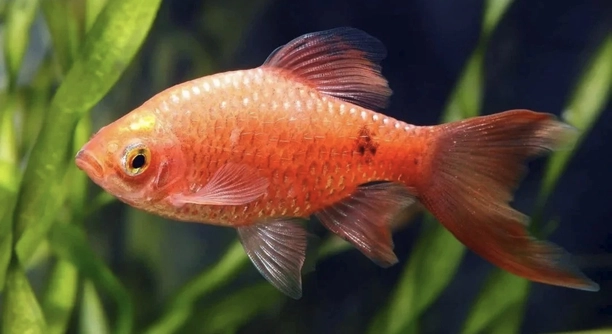
Are your rosy barbs looking less vibrant than usual? It can be worrying when these colorful fish lose their bright appearance. Keeping an eye on their health and environment helps maintain their natural beauty.
Dull coloration in rosy barbs is often caused by factors such as poor water quality, inadequate diet, stress, illness, or improper tank conditions. Regularly checking these areas is essential for restoring their healthy, vivid colors.
Knowing what affects your rosy barbs’ brightness will help you take better care of them. This guide covers important checks to keep your fish lively and colorful in your aquarium.
Water Quality and Tank Cleanliness
Water quality plays a major role in how rosy barbs look and feel. Dirty or unbalanced water stresses the fish, causing their colors to fade. High levels of ammonia, nitrites, or nitrates can be harmful. Regular water changes and testing help keep these chemicals in check. It’s also important to clean the tank and remove leftover food or waste that can pollute the water. Using a good filter supports a healthy environment. If the water conditions are poor for too long, the fish can become weak or sick, making their colors dull and lifeless. Keeping water clean and well-maintained gives rosy barbs the best chance to shine.
Testing water parameters weekly and changing 20-30% of the water helps maintain good quality.
Watching your fish’s behavior alongside water tests gives clues about their health. When water is clean, rosy barbs swim actively and display bright colors. Don’t ignore small signs of water trouble, as they can quickly affect your fish’s well-being. Taking the time to keep the tank clean pays off with happy, colorful rosy barbs.
Diet and Nutrition
A balanced diet is key for rosy barbs’ vibrant colors. Feeding a mix of high-quality flakes, pellets, and live or frozen foods provides the nutrients they need. Foods rich in carotenoids, like spirulina or bloodworms, enhance red and orange shades. Avoid overfeeding, as leftover food can foul the water and cause health issues. Fresh, varied meals keep rosy barbs healthy and colorful. Poor diet or lack of variety leads to dull colors and weak immune systems. Pay attention to what your fish enjoy and what keeps them looking their best.
Stress Factors
Stress makes rosy barbs lose their bright colors quickly. Common causes include overcrowding, aggressive tank mates, and sudden changes in the environment. Stress weakens their immune system, making them more prone to illness.
Overcrowding creates competition for food and space, leading to constant stress. Rosy barbs need enough room to swim freely without feeling threatened. Aggressive fish can cause bullying, which causes barbs to hide and lose color. Even loud noises or sudden movements near the tank can stress them out. Keeping the tank peaceful and stable is essential to prevent color fading caused by stress.
Maintaining consistent water temperature and avoiding rapid changes also reduce stress. A calm, predictable environment helps rosy barbs feel secure, which keeps their colors vivid. Regular monitoring of tank conditions and fish behavior is necessary to spot early signs of stress and take action before colors dull too much.
Illness and Parasites
Illness and parasites often cause rosy barbs to look dull or sickly. Signs include clamped fins, spots, or unusual swimming patterns. Early detection is crucial to prevent worsening health.
If your rosy barbs show any abnormal behavior or marks, act quickly. Common diseases like ich or fungal infections can rob them of their color and vitality. Quarantine new fish before adding them to your tank to avoid introducing illnesses. Keeping a clean tank and monitoring water parameters supports a strong immune system. Proper treatment with medications can restore health and bring back their bright appearance. Ignoring illness only makes recovery harder and can lead to permanent color loss.
Lighting Conditions
Proper lighting helps keep rosy barbs’ colors bright. Too little light makes their colors fade, while too much can stress them. Finding the right balance is important for their well-being.
Using a timer for consistent light cycles supports natural rhythms. About 8 to 10 hours of light daily usually works well for most tanks.
Tank Size and Environment
A tank that is too small limits swimming space, causing stress and dull colors. Rosy barbs need at least 20 gallons with plenty of plants and hiding spots. A well-decorated tank mimics their natural habitat, helping them feel safe and show their best colors.
Water Temperature
Rosy barbs thrive in temperatures between 64°F and 72°F. Temperatures outside this range can cause stress and color loss. Keeping the water stable and within this range is key for their health and vibrancy.
FAQ
Why do my rosy barbs look dull even though the water seems clean?
Even if the water looks clear, it might still have imbalanced chemicals or low oxygen levels. Some harmful substances like ammonia or nitrites are invisible but stressful for fish. Test your water regularly to catch these issues early. Also, poor diet or stress can cause dullness despite clean water.
How often should I change the water to keep rosy barbs colorful?
A 20-30% water change every week is usually enough to maintain good water quality. Frequent partial changes help remove toxins without shocking the fish. Completely changing the water too often can disturb the beneficial bacteria that keep the tank balanced.
Can lighting alone improve my rosy barbs’ colors?
Lighting helps but can’t fix other problems like stress or illness. Proper light supports their natural color but must be balanced—not too bright or dim. Using a timer to keep a regular light schedule helps avoid stressing the fish.
What kind of food brightens rosy barbs’ colors best?
Foods rich in carotenoids like spirulina, krill, and bloodworms improve red and orange shades. High-quality flakes or pellets with added color enhancers also help. Feeding a variety of fresh, frozen, and dry foods keeps them healthy and colorful.
Is it normal for rosy barbs to lose color during breeding?
Yes, it’s normal for rosy barbs to become less colorful while spawning. Males especially may fade during this time but regain brightness once breeding ends. Providing proper nutrition and clean water helps them recover faster.
How do I know if my rosy barbs are stressed?
Signs include hiding, clamped fins, reduced appetite, and less activity. They may also show pale or dull colors. Identifying and removing stress factors like overcrowding, aggressive tank mates, or poor water quality is key.
Can overcrowding cause color loss?
Definitely. Overcrowding leads to competition for food and space, increasing stress. This stress makes rosy barbs lose their bright colors and become more vulnerable to illness. Providing enough space and avoiding too many fish in one tank improves their health.
What should I do if my rosy barbs have spots or marks on their body?
Spots or unusual marks can be signs of parasites or disease. Isolate affected fish to prevent spread and treat with appropriate medication. Check water quality and keep the tank clean to support recovery.
How long does it take for rosy barbs to regain their color?
With proper care, rosy barbs can start showing improved color within a few weeks. This depends on addressing the cause of dullness, like improving diet, water quality, or reducing stress. Patience is important because color restoration takes time.
Are there any tank mates that can help keep rosy barbs colorful?
Calm, peaceful tank mates reduce stress and help maintain bright colors. Avoid aggressive fish that may bully or outcompete rosy barbs. Suitable companions include small tetras, danios, and peaceful bottom dwellers. A harmonious tank encourages rosy barbs to display their best colors.
Can temperature fluctuations affect rosy barbs’ color?
Yes. Frequent or extreme temperature changes stress fish and cause color fading. Keeping the tank temperature stable between 64°F and 72°F supports their health and vibrant appearance. Using a heater or cooler when necessary helps maintain this balance.
Does tank decoration affect rosy barbs’ colors?
A well-decorated tank with plants and hiding spots reduces stress, encouraging rosy barbs to show their colors. Bare tanks or those with too much open space may make fish feel exposed, causing dullness. Natural decorations create a comfortable environment for them.
Should I quarantine new rosy barbs before adding them to my tank?
Quarantining new fish for 2-3 weeks prevents introducing diseases that could harm your existing rosy barbs. It also helps reduce stress and color loss caused by illness. Quarantine tanks allow you to monitor and treat new arrivals safely.
Is poor filtration linked to dull rosy barbs?
Poor filtration leads to poor water quality, which stresses fish and causes dull colors. A strong, reliable filter removes waste and keeps the water clean and oxygenated. Regular filter maintenance ensures it works efficiently and supports fish health.
Can stress from loud noises or frequent tank disturbances cause color loss?
Yes, loud noises, vibrations, or frequent disturbances can stress rosy barbs. Stress weakens their immune system and dulls their color. Placing the tank in a quiet, stable spot and avoiding sudden movements near the tank helps keep them calm and colorful.
What role does oxygen level play in the color of rosy barbs?
Low oxygen levels cause stress and dull colors. Proper aeration and water movement increase oxygen, helping fish breathe easily and stay healthy. Using an air stone or adjusting the filter outflow can improve oxygen levels in the tank.
Can stress cause rosy barbs to stop eating and lose color?
Stress often reduces appetite, which leads to poor nutrition and faded colors. Ensuring a calm tank environment and feeding high-quality food encourages eating and color recovery. Monitoring fish behavior helps catch stress signs early.
Are there supplements to enhance rosy barbs’ colors?
Some color-enhancing supplements added to food can improve pigment intensity. These usually contain natural ingredients like carotenoids. Use supplements as a part of a balanced diet, not a replacement for good care. Always follow dosage instructions.
What should I do if my rosy barbs continue to look dull despite all efforts?
Persistent dullness may indicate hidden health problems or poor tank conditions. Recheck water parameters, diet, and tank mates. Consulting a fish health specialist or veterinarian can help diagnose underlying issues and recommend treatments.
Can seasonal changes affect rosy barbs’ colors?
Seasonal changes in room temperature or light can impact tank conditions, affecting fish color. Adjust heater settings and lighting as needed to maintain a stable environment year-round. Consistency helps rosy barbs keep their bright colors through all seasons.
Taking care of rosy barbs so they keep their bright colors is mostly about paying attention to the small details in their environment. Water quality is one of the biggest factors. Even if the water looks clear, it can have chemicals that harm the fish or cause stress. Regular water testing and changing part of the water weekly helps keep their home healthy. Along with clean water, a balanced diet with good-quality food makes a big difference. Foods rich in natural color enhancers support their vibrant shades. Feeding a variety of foods keeps them healthy and prevents dullness. When these basics are right, rosy barbs usually show their best colors.
Stress is another key thing to watch out for. Overcrowded tanks or aggressive tank mates cause constant pressure on rosy barbs. This stress makes their colors fade and weakens their immune systems, making them more likely to get sick. Keeping enough space and choosing peaceful companions help create a calm environment. Also, stable water temperature and proper lighting support their well-being. Too much or too little light can dull their colors, and sudden temperature changes can cause stress. Keeping conditions stable lets rosy barbs feel safe and comfortable, which helps them stay colorful.
Sometimes illness or parasites cause color loss. If you notice unusual spots, marks, or strange behavior, acting quickly is important. Treating diseases early and keeping the tank clean can restore health and color. Regular quarantine of new fish prevents introducing problems to the tank. Even with the best care, it takes time for rosy barbs to regain their bright colors after stress or illness. Patience and consistent care are needed. By focusing on water quality, diet, stress management, and health, you can help your rosy barbs stay vibrant and lively for a long time.

Hello,
If you enjoy the content that we create, please consider saying a "Thank You!" by leaving a tip.
Every little bit helps us continue crafting quality advice that supports the health, happiness, and well-being of pets around the world, for pets of all shapes, sizes, and species.
We really appreciate the kindness and support that you show us!