
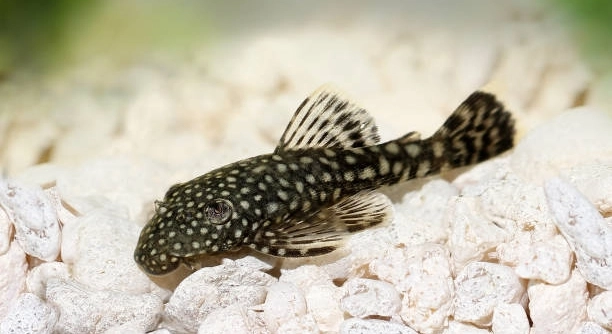
If your pleco suddenly stops eating, it can be concerning. Several factors might be at play, ranging from water conditions to stress or illness. Understanding these causes can help get your fish back on track.
The most common reasons for a pleco to stop eating include poor water quality, stress from tank mates, or underlying health issues. Regular water testing, monitoring tank conditions, and ensuring the pleco’s diet is appropriate can help resolve the issue.
Identifying and fixing these problems quickly can improve your pleco’s well-being. Let’s explore the key things to check when your pleco refuses to eat.
Water Quality Issues
When a pleco stops eating, the water quality is often the first thing to check. Plecos are sensitive to poor water conditions, including high levels of ammonia, nitrites, or nitrates. Regular water changes are essential to maintain a healthy environment for your fish. Test the water regularly to ensure the levels are within the acceptable range for plecos. If you notice high levels of harmful substances, it’s important to perform a large water change and use water conditioners to remove toxins.
Sometimes, even when water parameters seem fine, other factors like water temperature can influence your pleco’s appetite. Plecos thrive in water temperatures between 74°F and 80°F (23°C to 27°C). A sudden drop or increase in temperature can stress your pleco, causing it to refuse food. Ensuring the temperature remains stable will help keep your fish healthy and feeding.
Regular maintenance, including cleaning the tank and checking water levels, is key to preventing water quality issues that can affect your pleco’s appetite. Pay close attention to these factors for a happier, healthier fish.
Tank Mates and Stress
Your pleco may stop eating due to stress from tank mates. Aggressive or overly active fish can intimidate your pleco, making it feel unsafe and reluctant to eat. If you notice any aggressive behavior, consider rearranging the tank or separating the aggressive fish.
Stress can also come from overcrowding. Plecos need space to feel secure and comfortable in their environment. An overcrowded tank leads to competition for food, causing your pleco to avoid eating. Make sure your tank is appropriately sized for your pleco and its tank mates.
Stress from tank mates is often the easiest problem to fix, but it can have a significant impact on your pleco’s eating habits. Reducing aggression and ensuring adequate space can help your fish regain its appetite.
Illness or Injury
A pleco that’s unwell might stop eating due to pain or discomfort. Illnesses like internal parasites, fungal infections, or skin wounds can all cause a loss of appetite. It’s essential to monitor for any signs of illness such as swelling, unusual swimming behavior, or discoloration. If you notice these, separate your pleco from other fish to prevent the spread of disease.
In cases of injury or illness, it’s crucial to quarantine your pleco and treat it in a separate tank with proper medication. Some common illnesses in plecos, such as dropsy or fin rot, can be treated with antibiotics or antifungal treatments. However, if your pleco has stopped eating for an extended period, it’s best to consult a veterinarian.
Long-term refusal to eat could be a sign of more severe health problems, so early intervention is key. Take action as soon as possible to prevent further complications and ensure your pleco’s recovery.
Feeding Problems
Sometimes, plecos simply don’t eat because the food offered is unappealing. Plecos are primarily herbivores and need a diet rich in plant matter. If you’re feeding them only pellets or protein-based foods, they might lose interest. Try offering a variety of foods such as algae wafers, blanched vegetables, or even sinking pellets that are high in fiber.
It’s important to keep in mind that plecos are nocturnal feeders, so they may not eat during the daytime. Offering food at night or when the lights are dim can help. Additionally, check the food’s freshness. Stale or moldy food is not only unappetizing but can also harm your fish.
Making sure you’re offering the right food at the right time can help encourage your pleco to eat again. Variety and timing are important in keeping your pleco healthy and well-fed.
Tank Environment
The environment in your tank plays a big role in your pleco’s eating habits. If the tank is too crowded, dirty, or lacking hiding spaces, your pleco may become stressed and stop eating. A well-maintained, spacious tank with proper decorations can help your fish feel secure.
Plecos appreciate a tank with areas to hide and feel safe, especially if they are shy. Ensure that your tank has plenty of caves, driftwood, or plants where they can rest. Without these, they might feel exposed, leading to stress and a loss of appetite.
Feeding Schedule
Your pleco’s feeding schedule can also impact its eating behavior. Overfeeding or underfeeding can make it difficult for your fish to eat properly. Stick to a consistent feeding schedule and avoid offering food too often.
It’s essential to feed your pleco once or twice a day, providing just enough food for them to consume in a few hours. Excess food can pollute the tank, making the water quality worse, and feeding too little can leave your pleco hungry.
By keeping a regular feeding routine, you’ll help ensure your pleco gets the nutrition it needs without overwhelming the tank or stressing out your fish.
FAQ
Why is my pleco not eating?
If your pleco has stopped eating, it’s most likely due to one of several factors. The water quality could be poor, or it may be stressed by aggressive tank mates. Illness, feeding issues, or an improper diet are also common causes. Make sure to test the water regularly, observe the behavior of other fish, and check if the food is suitable for your pleco’s needs.
Can plecos stop eating due to stress?
Yes, stress is a significant factor in a pleco refusing food. Stress can come from overcrowding, aggressive tank mates, or changes in the environment. If your pleco feels unsafe, it might stop eating. Providing more hiding spaces or rearranging the tank can help reduce stress.
What temperature should the water be for my pleco?
Plecos thrive in temperatures between 74°F and 80°F (23°C to 27°C). If the water temperature is too cold or too hot, your pleco may become stressed and lose its appetite. Make sure to use a reliable heater to maintain a consistent temperature in the tank.
How can I tell if my pleco is sick?
Signs of illness in a pleco include discoloration, bloated or swollen areas, unusual swimming patterns, or visible wounds. A sick pleco might also stop eating and hide more often. If you notice any of these symptoms, it’s important to isolate the fish and seek appropriate treatment.
Can plecos eat only algae?
While plecos primarily feed on algae, they also need a varied diet to stay healthy. Offer algae wafers, blanched vegetables like zucchini or spinach, and sinking pellets designed for herbivores. A diet limited to algae may not provide all the essential nutrients your pleco needs.
How long can a pleco go without eating?
A healthy pleco can typically go a few days without eating. However, if your pleco is not eating for more than a week, it’s a sign of a potential problem. You should investigate the cause, whether it’s water quality, stress, or illness, and address it promptly.
Can I feed my pleco too much?
Yes, overfeeding is harmful to your pleco. Leftover food can pollute the tank, negatively affecting the water quality and causing health problems for your fish. Feed your pleco small amounts that it can consume in a few hours, and remove any uneaten food promptly.
How do I improve water quality for my pleco?
Regular water changes are the key to maintaining good water quality for your pleco. Use a reliable water test kit to check levels of ammonia, nitrites, and nitrates. Perform water changes of 25-30% every week to keep the water clean and safe. A good filtration system is also essential.
What can I do if my pleco is hiding all the time?
If your pleco is constantly hiding, it could be due to stress or illness. Check for aggressive tank mates or poor water quality, as these are common stress factors. Ensure your pleco has plenty of hiding spots, like caves or driftwood, to feel secure.
Why won’t my pleco eat pellets?
If your pleco refuses to eat pellets, it could be due to the type of pellet or the size. Some plecos are more selective, preferring softer or smaller pellets. Try offering a variety of foods like algae wafers or vegetables to see if your pleco shows interest.
Can plecos eat fruits and vegetables?
Yes, plecos can eat certain fruits and vegetables, but they should be offered in moderation. Blanched vegetables like zucchini, cucumber, and spinach are great options. Avoid feeding them fruits like citrus, which can upset their digestive system. Always remove any uneaten food to prevent water contamination.
How do I reduce tank aggression toward my pleco?
Aggressive tank mates can intimidate your pleco, leading to stress and loss of appetite. Try separating aggressive fish or adding more hiding spaces in the tank. Ensure your pleco has a peaceful environment to help it feel safe and encourage feeding.
What should I do if my pleco is bloated?
Bloating in a pleco can be a sign of an internal issue, like constipation, parasites, or an infection. Reduce the amount of food you’re feeding, especially high-protein foods. If bloating persists for more than a few days, consult a vet for proper treatment.
Can plecos eat meat?
While plecos are primarily herbivores, some species will occasionally eat meat, such as small invertebrates or sinking pellets containing protein. However, a diet based mainly on plant matter is best for their long-term health. Limit protein to avoid digestive problems.
How do I know if my pleco is pregnant?
Female plecos may appear pregnant or swollen when carrying eggs, but they do not show signs of pregnancy the way livebearers do. If your pleco’s belly appears larger than usual, she might be carrying eggs, but this can be difficult to confirm without observing breeding behavior.
Is my pleco eating the algae in my tank?
Plecos are known for consuming algae, but the amount they consume depends on the size of your tank and the algae growth. If the tank is well-maintained with little algae, your pleco might need additional food, such as algae wafers or vegetables, to supplement its diet.
Can plecos live with other fish?
Yes, plecos can live with most peaceful fish. However, aggressive fish or species that compete for food might stress out your pleco. It’s best to keep them with calm fish that won’t bully or overcrowd them, and ensure there are plenty of hiding places.
Do plecos need a filter?
Yes, plecos require a well-functioning filter to keep their tank clean. They produce a significant amount of waste, and without proper filtration, the water quality can degrade quickly, leading to health issues. A strong filtration system helps keep the water clear and healthy for your pleco.
What’s the best way to get my pleco to eat again?
To encourage a pleco to eat again, ensure the water quality is optimal, reduce stress factors, and offer a variety of foods. If the issue persists, it might be a sign of illness, and you should consider quarantining your pleco and seeking treatment.
Final Thoughts
When your pleco stops eating, it can be a sign of several potential issues. Understanding the cause of this behavior is key to getting your pleco back on track. Factors like water quality, stress, or an improper diet can all impact your fish’s appetite. By observing your pleco’s behavior and environment, you can pinpoint the problem and make necessary changes. Regular water tests, a consistent feeding schedule, and ensuring the tank is stress-free are all important steps in maintaining a healthy environment for your pleco.
It’s also crucial to remember that plecos are not one-size-fits-all. Different species have different needs when it comes to diet, water temperature, and tank conditions. Some plecos may need more variety in their diet or more hiding spaces than others. Therefore, understanding the specific requirements of your pleco species will help you cater to its unique needs. Providing a comfortable and secure environment is essential for keeping your pleco healthy and happy.
Ultimately, if your pleco continues to refuse food despite your efforts, it may be time to consult with an expert. A veterinarian who specializes in fish can help determine if there is an underlying health issue. With the right care and attention, most plecos will return to their usual feeding habits. Regular maintenance, proper diet, and a stress-free tank will ensure your pleco thrives in its environment. Keep a close eye on any changes in behavior and take action quickly to resolve any problems.

Hello,
If you enjoy the content that we create, please consider saying a "Thank You!" by leaving a tip.
Every little bit helps us continue crafting quality advice that supports the health, happiness, and well-being of pets around the world, for pets of all shapes, sizes, and species.
We really appreciate the kindness and support that you show us!