
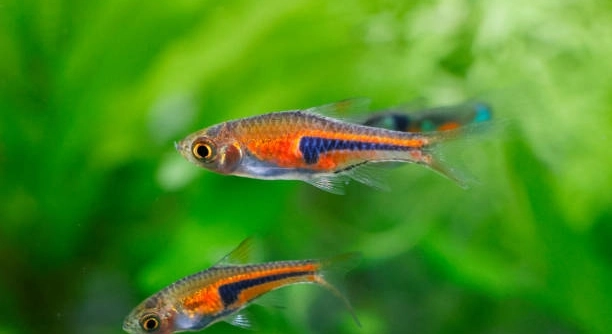
Rasboras are small, active fish that bring life to any aquarium. Observing them daily can be enjoyable, but sometimes they behave unusually, which can signal underlying issues. Noticing these changes early helps maintain their well-being.
Strange behavior in rasboras can result from water quality issues, improper diet, disease, stress, temperature fluctuations, tank overcrowding, or incompatible tank mates. Each factor can significantly impact their health, requiring careful monitoring and timely corrective measures.
Understanding these causes will help you protect your fish and maintain a balanced, healthy aquarium environment for all inhabitants. Proper care ensures rasboras thrive consistently.
Check Water Quality Regularly
Maintaining clean water is essential for rasboras to remain healthy. Poor water quality can cause erratic swimming, gasping at the surface, or loss of color. Test ammonia, nitrite, and nitrate levels weekly to ensure they are within safe limits. A sudden spike can quickly stress fish, making them more susceptible to disease. Changing 20–30% of the water weekly helps remove toxins and maintain stable conditions. Also, ensure the pH and hardness are suitable for your rasboras’ species. Adding a quality filter and avoiding overfeeding are effective ways to keep the water clean. Observing fish after water changes can help detect stress or illness early, allowing timely interventions. Clean water not only prevents disease but also encourages natural behavior and vibrant coloration.
Regular water checks prevent health issues and ensure rasboras thrive in a stable environment with minimal stress.
Even small lapses in water maintenance can lead to serious consequences. Using a reliable testing kit and consistent water changes is key. Filters should be cleaned monthly to avoid clogging. Avoid sudden changes in temperature or pH, as rasboras are sensitive to fluctuations. Removing uneaten food promptly prevents ammonia buildup. Keeping plants and decorations clean also contributes to a healthier tank. A consistent routine creates a safer, more comfortable habitat, allowing rasboras to swim actively and display normal behavior. Overcrowding worsens water quality, so maintain an appropriate number of fish for tank size. Observing daily behavior alongside water parameters provides insight into overall health and readiness for interventions when needed. Healthy water directly supports immune systems and reduces stress-induced illnesses, ensuring long-term aquarium stability and the well-being of your rasboras.
Monitor Diet and Feeding Habits
Overfeeding or improper diet can affect rasboras’ behavior.
A balanced diet of flakes, micro pellets, and occasional live or frozen foods keeps rasboras energetic and healthy. Overfeeding leads to uneaten food, polluting water, while nutritional deficiencies may cause lethargy or abnormal swimming. Feeding small portions 1–2 times daily helps maintain health without overloading the tank. Rotate food types to ensure variety and adequate nutrients, including protein, vitamins, and minerals. Observing how quickly rasboras eat each portion provides insight into appetite and overall health. Adjusting food quantity based on behavior prevents stress and encourages normal activity. Avoid sudden diet changes, which can cause digestive issues.
Consistent monitoring of feeding habits allows early detection of health problems. Ensuring proper nutrition supports strong immune systems, active swimming, and vibrant coloration, reducing the likelihood of unusual behavior. By carefully managing diet, you create a stable routine that promotes long-term fish health, maintains water quality, and prevents many common behavioral issues. Providing the right balance of nutrients, combined with portion control and variety, encourages natural feeding patterns. Observing interactions during feeding times can reveal dominance behavior or hidden stress. Understanding and responding to these signs ensures rasboras remain active, healthy, and visually appealing within the aquarium, allowing you to enjoy a thriving tank with minimal complications.
Observe Temperature and Tank Conditions
Rasboras are sensitive to temperature changes. Sudden shifts can cause stress and erratic swimming. Keep water within the recommended range for your species and maintain consistent conditions using a reliable heater and thermometer.
Temperature fluctuations, even a few degrees, can impact metabolism and behavior. Rapid cooling or heating may lead to lethargy, hiding, or frantic swimming. Ensure proper circulation to distribute heat evenly. Avoid placing the tank near windows or vents where temperature changes are common. Monitor readings daily and adjust gradually if needed. Consistent temperature supports immune function and prevents stress-related illness. Additionally, maintaining stable conditions encourages normal feeding, swimming patterns, and social interaction among rasboras, promoting overall tank harmony.
Tank setup also affects behavior. Sharp decorations or rough surfaces can injure delicate fins, leading to stress. Provide plants or hiding spots to reduce anxiety and territorial aggression. Ensure tank mates are compatible, as aggressive species can intimidate rasboras. Overcrowding increases competition for food and oxygen, causing erratic swimming or restlessness. A well-planned, stable environment reduces stress, promotes natural behavior, and supports long-term health. Regular observation of interactions helps detect problems early, allowing interventions before conditions worsen. Adjusting decorations, density, and water flow can make a significant difference in maintaining calm, healthy rasboras.
Check for Signs of Illness
Illness can cause unusual behavior such as clamped fins, discoloration, or floating near the surface. Immediate observation helps prevent worsening conditions.
Common illnesses in rasboras include bacterial infections, parasites, and fungal growth. Each can manifest differently, including lethargy, loss of appetite, or abnormal swimming patterns. Quarantining affected fish prevents spread. Treating promptly with appropriate medication improves recovery rates and reduces stress on healthy tank mates. Keep notes on symptoms and duration to guide treatment decisions and avoid repeated issues. Preventive measures like proper nutrition, clean water, and stress reduction minimize the risk of disease.
Early detection is critical for successful treatment. Consistent monitoring, along with regular water testing, ensures issues are addressed before they become severe. Observing behavior daily allows for spotting subtle changes that indicate illness. Adjusting tank conditions, diet, and hygiene practices can support recovery while minimizing recurrence. Using quarantined tanks for new or sick fish prevents transmission of pathogens. Maintaining cleanliness, removing uneaten food, and monitoring interactions between fish reduces stress and susceptibility. Understanding specific disease signs in rasboras allows targeted interventions, ensuring a healthier, more stable aquarium environment. Timely action significantly increases the chances of returning affected fish to normal behavior.
Monitor Tank Mates
Aggressive or overly active tank mates can stress rasboras, causing erratic swimming or hiding. Compatibility is essential for peaceful behavior.
Avoid keeping rasboras with large or territorial fish. Even minor harassment can reduce appetite and increase susceptibility to illness. Choose calm, similarly sized species to maintain a stable environment.
Inspect for Parasites
Parasites can trigger unusual swimming patterns, flashing, or scraping against surfaces. Quarantining new fish and maintaining cleanliness reduces risk. Early detection allows treatment before widespread infection occurs, protecting both rasboras and other tank inhabitants. Consistent observation is key to identifying subtle signs of parasitic activity.
Maintain Proper Lighting
Lighting affects rasboras’ activity and stress levels. Too bright or inconsistent lighting can cause hiding, erratic swimming, or aggression. Use a timer for consistent day-night cycles, and ensure lighting intensity is suitable for the species and planted areas. Proper lighting supports natural behavior and overall health.
Why are my rasboras swimming erratically?
Erratic swimming in rasboras is often caused by stress, poor water quality, or temperature fluctuations. Rapid movements, darting, or floating sideways can indicate ammonia or nitrite levels are high. Checking water parameters and ensuring stable temperature helps restore normal behavior. Overcrowding or aggressive tank mates can also trigger sudden, erratic movements.
What should I do if my rasboras are hiding constantly?
Constant hiding usually signals stress or illness. Inspect the tank for aggressive fish, sudden changes in lighting, or inadequate hiding spots. Providing plants, caves, or decorations allows rasboras to feel secure. Ensure water conditions are stable and suitable for the species, as poor quality can increase hiding behavior.
Can diet affect rasboras’ behavior?
Yes, diet has a direct impact on behavior. Overfeeding leads to water pollution, causing stress and unusual activity. Nutritional deficiencies may make them lethargic or restless. A balanced diet including flakes, micro pellets, and occasional frozen or live food supports healthy swimming patterns and energy levels. Feeding small portions once or twice daily prevents excess waste and maintains water quality.
How do I know if my rasboras are sick?
Signs of illness include clamped fins, faded colors, loss of appetite, rapid gill movement, and flashing against surfaces. Parasites, bacteria, or fungal infections often cause these behaviors. Early detection is critical. Quarantining sick fish and administering appropriate treatment prevents disease spread and improves recovery chances. Regular observation ensures problems are caught quickly.
Do water temperature changes affect rasboras?
Absolutely. Sudden drops or increases in temperature stress rasboras, affecting metabolism and swimming patterns. Consistent temperature within the recommended range for the species is crucial. Using a reliable heater and thermometer ensures stability. Avoid placing the tank near windows, vents, or drafty areas to prevent fluctuations. Proper circulation also helps distribute heat evenly.
Are tank mates important for rasboras’ behavior?
Yes, tank mates influence activity and stress levels. Aggressive or territorial fish can intimidate rasboras, causing hiding, erratic swimming, or reduced feeding. Choosing calm, similarly sized species encourages natural social behavior and reduces stress. Observing interactions regularly allows adjustments in tank composition to maintain harmony and minimize conflicts.
Can lighting affect my rasboras?
Lighting plays a significant role in behavior. Too bright or inconsistent lighting can cause hiding, agitation, or aggression. A timer ensures consistent day-night cycles, and the intensity should match the species and planted areas. Proper lighting promotes natural activity, supports feeding habits, and reduces stress, contributing to overall health and vibrant coloration.
How often should I test water for my rasboras?
Testing water weekly is recommended. Monitor ammonia, nitrite, nitrate, pH, and hardness to ensure safe conditions. Sudden spikes in ammonia or nitrite can cause stress or disease. Keeping a regular testing routine helps identify issues early, allowing corrective actions before rasboras display abnormal behavior. Maintaining clean water supports immune function and longevity.
What are common signs of parasite infestation?
Parasites often cause flashing, scratching, rapid breathing, or unexplained lethargy. They may affect appetite and social interactions. Quarantining new fish and maintaining cleanliness prevents introduction. Early detection and treatment reduce risks to other tank inhabitants. Observing subtle changes daily ensures timely response and protects overall tank health.
How can I prevent stress in my rasboras?
Stress can be minimized by maintaining stable water conditions, compatible tank mates, balanced nutrition, proper lighting, and sufficient hiding spots. Avoid sudden changes in environment, temperature, or diet. Regular observation and timely intervention when unusual behavior appears ensure rasboras remain healthy and active. Consistency in care is key to reducing stress.
Can overfeeding cause abnormal behavior?
Yes. Overfeeding produces excess waste, degrading water quality and stressing fish. Rasboras may swim erratically, become lethargic, or compete aggressively for food. Feeding small portions once or twice daily and removing uneaten food prevents water contamination. Rotating food types ensures balanced nutrition, supporting healthy behavior and vibrant coloration.
How do I safely treat sick rasboras?
Quarantine affected fish to prevent disease spread. Use medications appropriate for the specific illness, following manufacturer instructions. Maintain water quality and monitor temperature. Observing responses to treatment helps gauge recovery. Avoid mixing medications unnecessarily, as it may stress fish further. Early intervention improves outcomes and restores normal behavior.
Why do my rasboras jump or try to escape the tank?
Jumping usually indicates stress, poor water quality, or lack of hiding spaces. Rasboras are naturally active and curious, so a secure tank lid is essential. Improving water conditions, providing plants or decorations, and reducing stress from aggressive tank mates can reduce escape attempts. Proper care keeps them calm and healthy.
Can overcrowding affect behavior?
Overcrowding increases competition for food, oxygen, and space, causing erratic swimming, hiding, or aggression. Maintain an appropriate number of fish for the tank size. Providing sufficient space, hiding spots, and proper filtration reduces stress and encourages natural behavior, ensuring long-term health and stability for all inhabitants.
What role does tank maintenance play in behavior?
Regular maintenance prevents buildup of toxins, waste, and debris that stress rasboras. Partial water changes, filter cleaning, and substrate vacuuming maintain a healthy environment. Consistent upkeep supports feeding, swimming, and social patterns. Neglecting maintenance leads to abnormal behavior and increased risk of illness, highlighting its importance in daily care.
Rasboras are delicate, small fish that thrive in a stable and well-maintained environment. Their behavior is a direct reflection of their surroundings, diet, and general health. Observing them regularly provides valuable insight into potential issues before they become serious. Even small changes in swimming patterns, appetite, or social interaction can indicate stress, illness, or environmental problems. Maintaining proper water quality, stable temperature, and compatible tank mates is essential for their well-being. Regular testing of water parameters, along with routine partial water changes, ensures a clean and balanced habitat that supports healthy behavior. Clean water prevents stress and disease while encouraging natural activity and coloration.
Nutrition plays an equally important role in the health of rasboras. Providing a balanced diet that includes flakes, micro pellets, and occasional frozen or live foods ensures they receive the necessary nutrients for energy and growth. Overfeeding or inconsistent feeding schedules can lead to water pollution, stress, and abnormal behavior. Observing how your fish respond to food allows you to adjust portions and frequency to maintain their health. Additionally, ensuring variety in their diet helps prevent deficiencies and keeps them active and energetic. Proper feeding habits combined with clean water and a stable environment form the foundation for healthy, happy rasboras.
Creating a comfortable and stress-free tank also involves paying attention to lighting, tank decorations, and hiding spaces. Consistent lighting helps regulate their natural activity, while plants and decorations provide areas to explore and retreat when needed. Avoiding overcrowding and selecting peaceful, compatible tank mates reduces conflict and allows rasboras to display normal behavior. Monitoring for signs of illness or parasites is important, as early detection increases the chances of recovery and prevents the spread of disease. By combining proper nutrition, clean water, stable conditions, and careful observation, you can ensure your rasboras remain healthy, active, and visually vibrant. Following these practices consistently promotes a balanced, harmonious environment that supports their long-term well-being.

Hello,
If you enjoy the content that we create, please consider saying a "Thank You!" by leaving a tip.
Every little bit helps us continue crafting quality advice that supports the health, happiness, and well-being of pets around the world, for pets of all shapes, sizes, and species.
We really appreciate the kindness and support that you show us!