
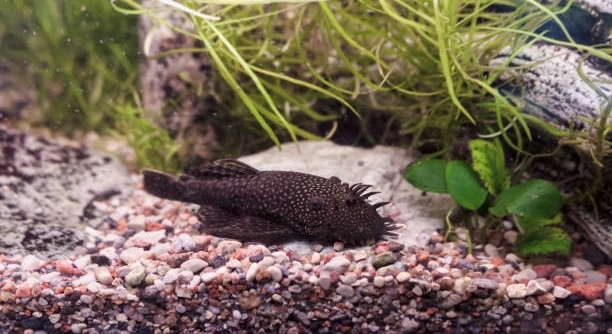
Before bringing a Plecostomus into your aquarium, there are a few key considerations. This fish requires specific conditions to thrive and should be carefully selected to ensure it suits your environment and needs.
To successfully introduce a Plecostomus to your aquarium, check factors like tank size, water quality, and other fish species. These ensure your fish’s health and comfort while preventing potential issues such as overgrowth or aggression.
Understanding these aspects can lead to a smoother experience, ensuring your Plecostomus remains a happy and healthy addition to your aquarium.
Tank Size Matters
A Plecostomus can grow quite large, reaching up to 24 inches, so it’s important to choose the right tank size. For a single Plecostomus, the minimum recommended tank size is 75 gallons. A larger tank provides enough space for the fish to swim freely and allows for better water circulation. Overcrowding can lead to stress, which negatively affects the health of the fish. Keep in mind that even though Plecostomus is often considered a “bottom feeder,” it will still need ample space to move around and find food.
If you are housing multiple Plecostomus, you should consider a much larger tank. More fish require more space to avoid territorial disputes. When buying a tank, factor in the other inhabitants of the aquarium as well. For instance, other large fish or aggressive species may compete for space and resources, causing stress for your Plecostomus.
Ultimately, a bigger tank not only supports your fish’s well-being but helps maintain a balanced aquatic environment. Choosing the right size upfront will save you future problems.
Water Quality is Crucial
Water quality plays a significant role in keeping your Plecostomus healthy. Regular water testing should be done to check parameters such as pH, ammonia levels, and nitrate levels.
Maintaining stable water conditions is essential for the Plecostomus’ health. These fish are sensitive to fluctuations, which can lead to illness. Regular water changes are necessary to ensure the tank’s ecosystem remains balanced and to keep harmful toxins at bay. Be cautious of water temperature as well. The ideal range for a Plecostomus is between 74°F and 80°F.
Compatibility with Other Fish
Plecostomus are generally peaceful fish but can be territorial, especially as they grow larger. Avoid housing them with aggressive or highly territorial fish. Smaller, more peaceful species tend to fare better in a tank with a Plecostomus.
When selecting tank mates, consider fish that prefer similar water conditions and that won’t compete too much for food or space. Plecostomus can become quite large, and their need for space can lead to clashes with other fish. Ideally, they should share the tank with fish that stay smaller or are not aggressive toward them.
Additionally, be mindful of fish that are more delicate and require a specific range of water conditions. Some fish, like certain species of tetras or barbs, are often a good fit with Plecostomus. Make sure to monitor interactions closely, especially during the first few days.
Feeding Habits
Plecostomus are primarily herbivores but will eat some animal matter. They are best fed algae-based foods, but a varied diet will keep them healthy. Providing sinking pellets or fresh vegetables like zucchini and cucumber will meet their nutritional needs.
It’s important to avoid overfeeding your Plecostomus, as this can lead to water quality issues. Plecostomus will also graze on algae, helping keep your tank clean. However, they may need supplemental feeding if there’s not enough algae in the tank.
Ensure that food is placed in areas where your Plecostomus can access it easily, particularly on the bottom or near rocks where they like to feed. Keep an eye on your fish’s feeding habits to make sure they are eating the right amount and not leaving food to decompose in the tank.
Tank Maintenance
Keeping your tank clean is essential for the health of your Plecostomus. Regular water changes and filter maintenance will prevent the buildup of harmful toxins. A clean tank also helps maintain stable water conditions.
Make sure to vacuum the substrate regularly to remove debris, especially since Plecostomus tend to stir up the bottom of the tank. The filter should be cleaned every few weeks to avoid clogging. Proper maintenance ensures your fish’s environment stays healthy.
If you have live plants in the tank, trim them regularly to prevent overgrowth. This will help maintain a balanced ecosystem for your Plecostomus.
Lighting
Plecostomus prefer low to moderate lighting in the aquarium. Too much light can cause stress and encourage algae growth, which they may overeat.
Ensure your tank’s lighting mimics natural day-night cycles. You can use a timer to regulate light exposure. Plecostomus tend to be more active at night, so providing a dimmer environment during the day helps maintain their natural behaviors.
Be mindful of how long the light stays on to avoid stress. A consistent light schedule will help your Plecostomus feel secure and healthy.
Water Temperature
Plecostomus thrive in warm water, with an ideal range between 74°F and 80°F. Keeping the temperature stable helps prevent stress and disease.
Use a reliable aquarium heater to maintain consistent warmth. Sudden temperature changes can negatively affect your Plecostomus. Keep a thermometer in the tank to monitor the temperature regularly.
Ensure that the water temperature doesn’t fluctuate too drastically, as this can cause stress and reduce your fish’s lifespan.
FAQ
How long do Plecostomus live?
A Plecostomus can live for 10 to 15 years if properly cared for. The longevity of your fish will depend on factors like tank size, water quality, and diet. A well-maintained environment with stable water conditions and appropriate feeding will support a longer lifespan.
What size tank do I need for a Plecostomus?
Plecostomus can grow to 24 inches, so a minimum tank size of 75 gallons is recommended for one fish. A larger tank is needed if you plan to house more than one. The larger the tank, the easier it is to maintain water quality and space for your Plecostomus.
Can Plecostomus live with other fish?
Plecostomus are generally peaceful but can be territorial, especially as they grow larger. It’s best to house them with peaceful, non-aggressive species that don’t compete for the same food. Avoid placing them in tanks with smaller, more delicate fish or aggressive species.
What should I feed my Plecostomus?
Plecostomus are primarily herbivores. They eat algae, but they should also be provided with sinking pellets, fresh vegetables like zucchini, cucumber, and occasional protein. Make sure to offer a varied diet to ensure they get the proper nutrients. Overfeeding can lead to poor water quality.
How do I know if my Plecostomus is sick?
Common signs of illness in Plecostomus include lethargy, faded color, loss of appetite, or abnormal swimming behavior. If you notice these signs, check your water parameters. Poor water quality is often the cause of illness. Additionally, inspect for external parasites or fungal growth.
Do Plecostomus need a filter?
Yes, Plecostomus need a good filtration system to keep the water clean and maintain a healthy environment. They are bottom dwellers and produce waste, which can quickly pollute the tank. A strong filter helps keep the water clear and reduces harmful toxins.
Are Plecostomus good for beginners?
While Plecostomus are relatively easy to care for, they do require proper tank size, water quality, and regular maintenance. For beginners, it’s important to have the proper equipment and commitment to their care. If you’re new to aquarium keeping, ensure you research thoroughly before purchasing.
What is the best water temperature for a Plecostomus?
The ideal water temperature for a Plecostomus is between 74°F and 80°F. They prefer stable temperatures, and drastic changes can cause stress. Use an aquarium heater to maintain consistent warmth, and check the water temperature regularly to ensure it stays within the desired range.
Can I keep a Plecostomus in a small tank?
A small tank is not recommended for a Plecostomus, as they require a lot of space. A minimum of 75 gallons is needed for one Plecostomus to ensure they have enough room to grow. Inadequate space can lead to stress, poor health, and stunted growth.
How often should I clean the tank for my Plecostomus?
You should perform partial water changes every 1-2 weeks, depending on the tank’s size and the number of fish. Clean the filter every 3-4 weeks to prevent clogging. Regularly vacuum the substrate to remove debris, as this keeps the water clean and reduces harmful toxins.
What is the best substrate for a Plecostomus tank?
A soft, fine-gravel substrate is best for a Plecostomus, as they tend to graze on the bottom. Avoid sharp gravel that could harm their delicate underbellies. You can also add smooth rocks or driftwood for them to explore and hide in, which will help them feel secure.
Can Plecostomus live with shrimp?
While Plecostomus are generally peaceful, they may eat smaller shrimp or disturb them. It’s best to avoid housing shrimp with larger Plecostomus, especially if the shrimp are not fully grown. Plecostomus may also uproot plants that shrimp need for shelter.
How do I prevent my Plecostomus from overgrowing my tank?
Regularly check the size of your Plecostomus and monitor their growth. If your tank becomes too small, consider upgrading to a larger one. You can also maintain a healthy diet and proper water conditions to ensure your Plecostomus stays at a manageable size.
Why is my Plecostomus staying at the top of the tank?
If your Plecostomus is staying at the top of the tank, it may be experiencing poor water quality, low oxygen levels, or stress. Check the water parameters, including ammonia and nitrate levels, and ensure there’s adequate surface agitation. If these factors are fine, observe for any other signs of illness.
Do Plecostomus need a light?
While Plecostomus do not require bright lighting, they do need a regular day-night cycle. A moderate light setup is fine, but avoid leaving the light on constantly. Plecostomus are nocturnal and prefer a more subdued lighting environment during the day, which mimics their natural habitat.
Final Thoughts
Caring for a Plecostomus can be a rewarding experience, but it requires attention to detail. These fish need a proper tank size, suitable water conditions, and the right tank mates. Without these factors, your Plecostomus may not thrive as well as they could. When setting up your tank, ensure it’s large enough to accommodate their eventual size and provides ample space to swim.
Maintaining clean water is essential for the health of your Plecostomus. Regular water changes, filter maintenance, and substrate vacuuming will help prevent toxic buildup that can harm your fish. Since Plecostomus are bottom dwellers, they can stir up debris, so extra attention to cleaning is important. Additionally, make sure your water temperature remains stable, as fluctuations can stress the fish and lead to health issues.
By following the correct feeding schedule and providing a variety of food options, you can ensure your Plecostomus stays healthy. Feeding them algae-based foods along with fresh vegetables will keep them nourished and active. It’s also important to avoid overfeeding, as excess food can pollute the tank. With the right care, your Plecostomus can live a long, healthy life, making them a valuable addition to your aquarium.

Hello,
If you enjoy the content that we create, please consider saying a "Thank You!" by leaving a tip.
Every little bit helps us continue crafting quality advice that supports the health, happiness, and well-being of pets around the world, for pets of all shapes, sizes, and species.
We really appreciate the kindness and support that you show us!