
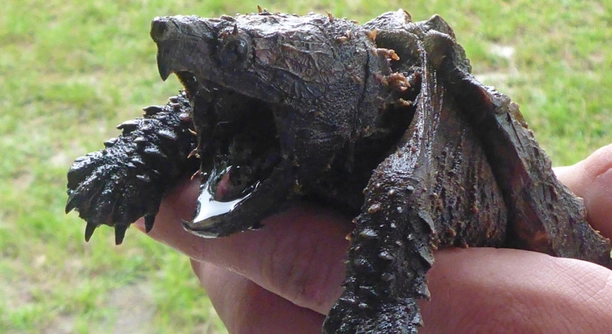
Setting up an alligator snapping turtle tank requires more than just filling it with water. There are a few key factors to consider to ensure your turtle has a healthy and comfortable environment. Proper setup is crucial.
To avoid mistakes when setting up an alligator snapping turtle tank, it’s important to ensure proper filtration, lighting, and water temperature. Also, avoid overcrowding and using substrates that could harm the turtle’s delicate skin.
Making the right choices in tank setup can prevent issues down the line. Let’s explore what to avoid for a thriving habitat.
1. Using the Wrong Substrate
Choosing the wrong substrate can cause problems in an alligator snapping turtle tank. Gravel and small rocks may seem like a good choice, but they can harm your turtle. If swallowed, these materials can cause serious digestive issues. Additionally, sharp edges may injure your turtle’s sensitive skin. It’s best to avoid using any substrate that could potentially cause harm.
Instead, consider using larger river rocks or flat stones that won’t be ingested. These materials provide a safe, comfortable surface for your turtle to move around on. A bare-bottom tank is another option, making it easier to maintain clean water. Sand can also be used, but it should be coarse enough not to get stuck in your turtle’s mouth or filter.
Setting up a tank with the wrong substrate can lead to long-term health concerns for your turtle. Be sure to choose a material that is safe and easy to clean.
2. Poor Water Quality
Water quality is essential for the health of your alligator snapping turtle. A poor filtration system can lead to harmful bacteria buildup and algae growth. It’s crucial to install a high-quality filter that will handle the size of your tank. Additionally, frequent water changes are necessary to maintain a clean environment.
A good filtration system, combined with regular water changes, will ensure the water stays clear and free of harmful toxins. Without proper filtration, your turtle’s immune system may weaken, leading to illness. Ensure the tank is set up with a filtration system that’s capable of handling the waste produced by your turtle.
Water quality is an essential part of creating a thriving habitat. Proper filtration helps maintain water chemistry and keeps your turtle healthy. A clean tank also prevents unnecessary stress on your turtle, contributing to its overall well-being.
3. Incorrect Temperature and Lighting
Maintaining the right temperature and lighting is essential for your alligator snapping turtle’s health. If the water is too cold or too hot, it can stress the turtle and weaken its immune system. Ensure your tank maintains a steady water temperature between 72°F and 78°F.
Lighting plays a significant role in regulating your turtle’s circadian rhythm and providing the necessary UVB for its shell and skin health. Use a combination of heat lamps and UVB lighting to mimic natural sunlight. This ensures your turtle stays healthy and active, helping it regulate its metabolic processes.
An improper temperature or lighting setup can cause serious health issues over time. Your turtle needs access to both UVB rays and heat for optimal digestion and shell growth. Make sure your equipment is reliable and set to the correct temperature range.
4. Overcrowding the Tank
Overcrowding your turtle’s tank can lead to stress and poor health. Alligator snapping turtles require plenty of space to roam and thrive. If you’re keeping multiple turtles, make sure the tank is large enough to accommodate them. A tank that’s too small can cause territorial fights and prevent them from getting enough exercise.
In addition to space, overcrowding increases the waste levels in the tank, making it harder to maintain clean water. The filtration system may struggle to handle the extra load, leading to poor water quality. This can lead to infections and health problems for your turtle.
Allowing your turtle plenty of space is important for its physical and mental well-being. A large tank reduces stress and allows your turtle to behave naturally. Make sure your setup accommodates the right number of turtles and avoids overcrowding.
5. Using Decorative Items That Aren’t Turtle-Safe
Decorative items like plastic plants, small ornaments, and fake rocks may seem like a great way to dress up your turtle’s tank, but they can be hazardous. Sharp edges can scratch your turtle, and items that are not meant for aquatic use may leach chemicals into the water.
Always opt for decorations specifically designed for turtle tanks. Avoid items that could be easily chewed on or ingested, which could lead to internal injuries or blockages. Using natural materials like real plants and safe, non-toxic rocks can create a more enriching environment while keeping your turtle safe.
The safety of your turtle should always come first. Choosing appropriate tank decorations helps prevent unnecessary health risks and provides a more natural environment for your turtle to explore. Avoid decorative items that could endanger your pet’s well-being.
6. Failing to Provide Proper Hiding Spaces
Alligator snapping turtles need hiding spots to feel secure in their environment. Without these, they may become stressed or anxious. Providing safe and secluded areas allows them to rest or escape from the tank’s lighting and activity.
Hiding spaces like caves, logs, or plants provide your turtle with a sense of safety. It’s essential to include these in the tank setup, especially if your turtle feels threatened. These spaces help reduce stress and allow the turtle to regulate its behavior naturally.
Ensure your turtle has at least one hiding spot in its tank. This helps create a more comfortable and less stressful environment. Make sure the space is large enough for the turtle to move freely and feel secure.
7. Ignoring the Tank’s Size
The size of your alligator snapping turtle’s tank plays a major role in its overall health and comfort. A small tank can lead to stress, poor water quality, and a lack of space for the turtle to move around. It’s essential to have a large tank that provides room to grow.
The minimum recommended tank size for an alligator snapping turtle is 75 gallons for one adult. If you have multiple turtles, you’ll need a much larger setup. The extra space helps maintain water quality and allows for proper filtration and swimming room, which is vital for your turtle’s health.
A cramped tank doesn’t just limit the turtle’s space but also makes it harder to maintain clean water. Make sure your tank is large enough to accommodate your turtle comfortably.
FAQ
How often should I clean my alligator snapping turtle’s tank?
Regular tank cleaning is crucial for your turtle’s health. Generally, you should perform a partial water change of about 25% every 1-2 weeks. Full cleaning, which involves removing debris and cleaning the filter, should be done every month or when necessary. If your tank is overstocked or the water becomes cloudy, you may need to clean it more often.
What type of food should I feed my alligator snapping turtle?
Alligator snapping turtles are carnivores, so their diet should consist primarily of protein. Feed them a mix of commercial turtle pellets, live or frozen fish, worms, insects, and shrimp. You can also offer them small pieces of chicken or beef. Fresh, high-protein foods help keep your turtle healthy and active.
Can I keep more than one alligator snapping turtle in the same tank?
While it’s possible to keep multiple alligator snapping turtles in the same tank, it’s important to ensure the tank is large enough to accommodate them. Each turtle needs plenty of space to move around. Aggression may occur if they feel crowded, so it’s better to monitor them closely and provide adequate hiding spots.
How can I tell if my alligator snapping turtle is sick?
Signs of illness in alligator snapping turtles include lack of appetite, lethargy, abnormal swimming patterns, or swollen eyes. If you notice these symptoms, it’s essential to check the water quality first, as poor water conditions can lead to health problems. If symptoms persist, consult a reptile veterinarian for proper diagnosis and treatment.
Is it necessary to use UVB lighting for my alligator snapping turtle?
Yes, UVB lighting is essential for all reptiles, including alligator snapping turtles. It helps them synthesize vitamin D3, which is crucial for calcium absorption. Without adequate UVB light, your turtle may develop metabolic bone disease or other health issues related to calcium deficiency. Make sure to provide proper UVB lighting on a timer to mimic natural daylight cycles.
How long can an alligator snapping turtle live in captivity?
Alligator snapping turtles can live for a long time in captivity, often reaching 30-50 years if cared for properly. The key to their long lifespan is maintaining optimal tank conditions, such as clean water, proper temperature, and a balanced diet. Regular vet check-ups and attention to their needs will help them thrive for many years.
What temperature should the water be in my alligator snapping turtle’s tank?
The ideal water temperature for alligator snapping turtles is between 72°F and 78°F. Keeping the water within this range ensures they stay healthy and active. You can use a heater to maintain the temperature during cooler months. Avoid letting the water get too hot, as it can stress your turtle and affect its immune system.
How do I create a basking area for my alligator snapping turtle?
Alligator snapping turtles require a basking area where they can dry off and absorb UVB rays. Create a platform or floating dock using materials like driftwood or rocks. The basking area should be above the waterline, with a heat lamp to provide warmth. Make sure the area is easily accessible to your turtle.
Can I use tap water in my alligator snapping turtle’s tank?
Tap water can be used, but it should be dechlorinated first. Chlorine and chloramine in tap water can harm your turtle. You can use a water conditioner to remove these chemicals before adding the water to the tank. Additionally, check the water’s pH and hardness to ensure it’s suitable for your turtle.
What type of filter is best for an alligator snapping turtle tank?
Alligator snapping turtles produce a lot of waste, so a strong filtration system is necessary to maintain clean water. Canister filters are a good choice as they provide powerful filtration and can handle the large amount of waste produced. Make sure the filter is rated for a tank size larger than your current setup to ensure efficient filtration.
Do I need to worry about humidity in my alligator snapping turtle’s tank?
While humidity is not as critical as water temperature, it’s still important to maintain a reasonable level of humidity in the tank. A humidity level of around 50-70% is ideal. This can be easily managed by using a water dish or misting the tank occasionally, especially if your tank lacks a lid.
Can I put my alligator snapping turtle outside in a pond?
It’s possible to place your alligator snapping turtle in a pond, but it requires a secure and safe environment. The pond must be large enough to allow the turtle to move freely and should have access to both water and basking areas. Make sure the pond is protected from predators and has clean, filtered water.
How big does an alligator snapping turtle get?
Alligator snapping turtles are large reptiles, with males growing up to 26 inches in length and weighing up to 200 pounds. Females tend to be smaller, averaging around 16-20 inches in length. They grow steadily over many years, so you’ll need to plan for their long-term space requirements.
What is the best way to handle an alligator snapping turtle?
Alligator snapping turtles have strong jaws and can be aggressive, so handling them with care is essential. It’s best to avoid picking them up by the tail or by their legs. Instead, gently lift them by the sides of their shell. Always keep your hands clear of their mouth to avoid being bitten.
How can I provide enrichment for my alligator snapping turtle?
Enrichment is important for your turtle’s mental stimulation. Add hiding spots, floating objects, and plants for them to explore. Occasionally vary their diet with different types of food to keep them engaged. You can also allow them to swim freely in a larger tank, giving them room to exercise.
Final Thoughts
Taking care of an alligator snapping turtle requires commitment, but it can be a rewarding experience. These turtles need a spacious, clean environment with the right temperature, lighting, and water conditions. Their unique characteristics make them fascinating pets, but their care can be more involved than some other reptiles. By paying attention to the specifics of their habitat and diet, you can ensure that your turtle remains healthy and happy for many years.
While they might seem intimidating due to their size and powerful jaws, alligator snapping turtles are relatively low-maintenance once you understand their needs. Regular tank cleaning, proper feeding, and monitoring their health are the keys to providing a good life for your turtle. It’s important to remember that they live for many decades, so when you take on the responsibility of owning one, you’re committing to their long-term care.
In the end, the most important thing is to create a safe and comfortable environment for your alligator snapping turtle. Providing them with the proper care, space, and nutrition will ensure they thrive in your care. If you ever have doubts about their health or well-being, consulting a reptile veterinarian can provide you with valuable guidance. By following the right steps, your turtle can enjoy a long, fulfilling life in a well-maintained tank.

Hello,
If you enjoy the content that we create, please consider saying a "Thank You!" by leaving a tip.
Every little bit helps us continue crafting quality advice that supports the health, happiness, and well-being of pets around the world, for pets of all shapes, sizes, and species.
We really appreciate the kindness and support that you show us!