
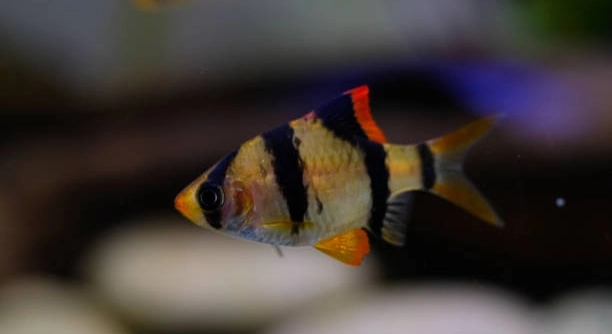
Housing tiger barbs can be a rewarding experience for aquarium enthusiasts. These colorful fish bring life and movement to a tank, but they also require careful attention to their environment and behavior. Proper care is essential for their health and well-being.
Avoiding common mistakes such as overcrowding, incompatible tank mates, poor water quality, improper diet, lack of hiding spaces, ignoring social behavior, and inconsistent maintenance is crucial to providing a suitable habitat for tiger barbs. These factors directly impact their health and stress levels.
Knowing what to avoid can help maintain a balanced and peaceful aquarium environment for your tiger barbs. This article will guide you through key points to keep your fish healthy and thriving.
Overcrowding the Tank
Overcrowding is a common mistake when housing tiger barbs. These fish need enough space to swim actively and establish territories. A cramped tank can increase stress and aggression among them. It also affects water quality, as more fish produce more waste. Maintaining an appropriate tank size helps ensure a healthy environment. For tiger barbs, a minimum of 20 gallons is recommended for a small school. Overcrowding can cause injuries and weaken their immune system. Watching their behavior closely can help identify when the tank feels too small. Providing enough room is a simple but crucial step in keeping your tiger barbs comfortable and healthy.
When tanks are overcrowded, fish can become aggressive and stressed. This harms their health and can shorten their lifespan.
Keeping the right number of tiger barbs per tank size promotes harmony. For a 20-gallon tank, six to eight tiger barbs are ideal. Adding too many increases fighting and poor water conditions. Frequent water changes are needed if the tank is crowded, but it’s better to prevent problems by providing enough space. Fish need room to swim freely and avoid conflict. Overcrowding often leads to fin damage and infections. Giving them proper space also makes the aquarium more enjoyable to watch. It creates a stable environment that supports their natural behavior and long-term health.
Incompatible Tank Mates
Tiger barbs are semi-aggressive fish, so choosing compatible tank mates is important. They may nip fins of slower or long-finned species, causing stress or injury. Ideal companions are other active, fast-swimming fish that can handle their temperament. Avoid keeping them with very peaceful or slow-moving fish, which often become targets. Aggressive or territorial fish should also be avoided to prevent conflicts. Selecting species with similar size and temperament helps maintain a balanced tank. Proper tank mate choice reduces stress and promotes peaceful coexistence. Planning the community carefully makes the aquarium a better place for all its inhabitants.
Poor Water Quality
Maintaining clean water is essential for tiger barbs’ health. Poor water quality stresses fish and makes them vulnerable to disease. Regular testing and water changes are necessary to keep conditions stable.
Ammonia, nitrite, and nitrate levels must be monitored closely. High ammonia and nitrite are toxic, while nitrates should be kept low with regular water changes. A good filtration system helps remove waste and toxins. Overfeeding can worsen water quality by increasing waste, so feed only what the fish can eat in a few minutes. Using a water conditioner to remove chlorine and chloramine is also important when adding tap water. Consistent maintenance prevents many health issues and keeps the fish active and vibrant.
Temperature and pH levels must also stay within suitable ranges. Tiger barbs prefer temperatures between 74-79°F and a pH of 6.5-7.5. Sudden changes can stress the fish and cause illness. Testing kits are inexpensive and easy to use. Keeping stable water conditions supports their immune systems and encourages natural behavior. Clean, well-maintained water creates a comfortable environment that helps tiger barbs thrive.
Improper Diet
Feeding tiger barbs a balanced diet is necessary for their growth and vitality. A diet lacking variety or essential nutrients can lead to health problems. They thrive on a mix of flakes, pellets, and live or frozen foods.
Commercially available high-quality flakes and pellets designed for tropical fish provide necessary vitamins and minerals. Supplementing their diet with live or frozen foods like brine shrimp, bloodworms, or daphnia adds protein and helps mimic natural feeding. Avoid overfeeding, as excess food pollutes the water and can cause digestive issues. Feeding small amounts two to three times daily is ideal. Observing their eating habits helps adjust portions to prevent waste.
Variety in their diet also supports coloration and energy levels. Different food types provide nutrients that improve their immune response. In the wild, tiger barbs eat insects and small crustaceans, so offering similar options in captivity promotes natural health. Consistent, proper feeding helps them maintain strong fins and vibrant colors, making the aquarium visually appealing. An improper diet is one of the simplest issues to correct but critical for their long-term well-being.
Lack of Hiding Spaces
Tiger barbs need places to hide and feel secure. Without adequate cover, they become stressed and more prone to aggression.
Plants, rocks, and decorations create safe spots. These hiding spaces reduce stress and promote natural behavior in the tank.
Ignoring Social Behavior
Tiger barbs are schooling fish that thrive in groups. Keeping fewer than six can cause stress and increase aggression.
A proper school size allows them to establish social structure and reduces bullying. Observing their interactions helps maintain a peaceful environment.
Inconsistent Maintenance
Regular tank maintenance is necessary to keep conditions stable. Neglecting water changes and cleaning can quickly deteriorate water quality.
Routine tasks like partial water changes, filter cleaning, and gravel vacuuming prevent waste buildup. Consistency protects fish health and prevents disease outbreaks.
Not Monitoring Behavior
Changes in behavior often signal health or environmental issues. Ignoring these signs delays needed care.
Paying attention to activity levels, appetite, and interactions helps catch problems early and ensures timely interventions.
FAQ
How many tiger barbs should be kept together?
Tiger barbs are schooling fish and do best in groups of six or more. Smaller groups often result in increased aggression and stress. Keeping them in a proper school helps balance their natural behavior and reduces fin-nipping.
What size tank is recommended for tiger barbs?
A minimum of 20 gallons is ideal for a small group of six tiger barbs. Larger tanks offer more swimming space and reduce territorial disputes. Overcrowding in smaller tanks leads to poor water quality and unhealthy fish.
What water conditions do tiger barbs need?
They prefer water temperatures between 74 and 79°F and a pH range of 6.5 to 7.5. Stable water parameters are important. Frequent testing and gradual adjustments help maintain a healthy environment.
Can tiger barbs live with other fish?
Yes, but careful selection is necessary. Compatible tank mates are similarly sized, active fish that can tolerate their semi-aggressive nature. Avoid slow-moving or long-finned species, which can be targets for fin-nipping.
What do tiger barbs eat?
A varied diet works best, including high-quality flakes or pellets and occasional live or frozen foods like bloodworms or brine shrimp. Overfeeding should be avoided to prevent water quality issues.
How often should I clean the tank?
Regular maintenance is essential. Partial water changes of 20-30% weekly or biweekly keep water quality high. Cleaning the substrate and filter also prevents harmful waste buildup.
Why are my tiger barbs aggressive?
Aggression often results from overcrowding, lack of hiding places, or an improper social group. Ensuring enough space, proper companions, and adequate cover helps reduce aggression.
How can I tell if my tiger barbs are healthy?
Healthy tiger barbs swim actively, have bright colors, and show interest in food. Dull coloration, lethargy, or damaged fins may indicate stress or illness and require attention.
Is it necessary to have plants in a tiger barb tank?
While not mandatory, live or artificial plants provide shelter and reduce stress. Hiding spots help fish feel secure and can lower aggression within the group.
What should I do if water parameters fluctuate?
Sudden changes can harm tiger barbs. Perform small, gradual water changes and avoid adding too many fish at once. Use water conditioners and test regularly to keep conditions stable.
How long do tiger barbs typically live?
With proper care, tiger barbs can live up to 5 years. Consistent water quality, a balanced diet, and good social conditions contribute to their longevity.
Can tiger barbs be kept with shrimp or snails?
Tiger barbs may nip at shrimp and small snails. If you want to keep them together, provide plenty of hiding spaces for invertebrates to reduce risk.
What signs indicate poor water quality?
Cloudy water, algae blooms, and fish gasping at the surface are common signs. Test ammonia, nitrite, and nitrate levels frequently and respond with water changes and filtration checks.
How important is tank decor for tiger barbs?
Decor like rocks, caves, and plants offer hiding places that reduce stress and aggression. A well-decorated tank creates a more natural, comfortable environment for the fish.
Should I quarantine new fish before adding them?
Quarantining new fish for at least two weeks prevents introducing diseases. It allows you to monitor their health before mixing with established fish.
Can tiger barbs jump out of the tank?
They are active swimmers and may jump, especially if startled. Using a tight-fitting lid helps keep them safe and prevents escape.
What is fin-nipping and how can I prevent it?
Fin-nipping is when tiger barbs bite the fins of other fish. Prevent it by keeping adequate group sizes, providing hiding spaces, and choosing compatible tank mates.
Do tiger barbs require special lighting?
Standard aquarium lighting is sufficient. Avoid overly bright light, which may stress them. Moderate lighting helps plants grow and showcases their vibrant colors.
How do I introduce tiger barbs to a new tank?
Acclimate them slowly by floating the bag in the tank water, gradually mixing tank water over 30 minutes. This reduces shock from temperature or pH differences.
What are common diseases in tiger barbs?
Ich, fin rot, and fungal infections are common. Maintaining good water quality and prompt treatment help prevent outbreaks.
This FAQ covers essential aspects of keeping tiger barbs healthy and happy. Following these guidelines supports a balanced aquarium and reduces common problems.
Final Thoughts
Caring for tiger barbs requires attention to several important factors. Their active nature and social behavior mean they need enough space and companions to thrive. Overcrowding or keeping them alone can lead to stress and aggression. Providing a tank that meets their size requirements helps maintain a peaceful environment. Regular monitoring of their behavior is also important to catch any signs of stress or illness early.
Water quality plays a vital role in the health of tiger barbs. Consistent water testing and regular maintenance, such as partial water changes and filter cleaning, keep their habitat stable and safe. Poor water conditions can quickly lead to disease and discomfort. Alongside this, feeding a varied and balanced diet supports their growth, coloration, and immune system. Overfeeding or offering only one type of food can create problems, so portion control and variety are key.
Finally, creating an environment with enough hiding spots and choosing suitable tank mates reduces stress and aggression. Tiger barbs do best with compatible fish that can handle their semi-aggressive nature. Decorations like plants and rocks provide security and allow them to express natural behaviors. Taking the time to address these details will improve the overall health and happiness of your tiger barbs, making the aquarium a more enjoyable space for both the fish and the keeper.

Hello,
If you enjoy the content that we create, please consider saying a "Thank You!" by leaving a tip.
Every little bit helps us continue crafting quality advice that supports the health, happiness, and well-being of pets around the world, for pets of all shapes, sizes, and species.
We really appreciate the kindness and support that you show us!