
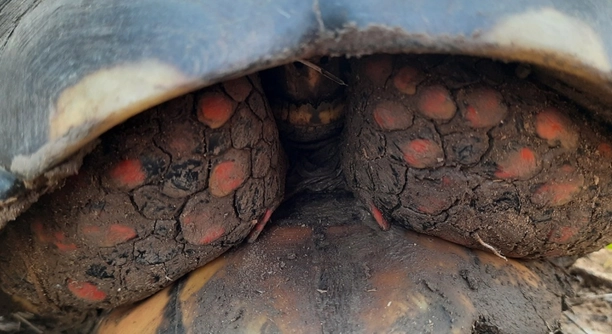
Handling a red-footed tortoise can be a rewarding experience, but it requires understanding their specific needs. Knowing what to avoid is essential for their well-being and your success as a pet owner.
It is important to avoid common mistakes when handling a red-footed tortoise. For example, never grab or lift them suddenly, as this can cause stress. Additionally, exposing them to excessive heat or cold may harm their health and overall well-being.
Understanding how to properly handle your tortoise can make a big difference in its care. With the right approach, you can ensure a comfortable and happy environment for your pet.
Not Providing Proper Habitat Conditions
Red-footed tortoises need a controlled environment to thrive. A suitable enclosure with the right humidity, temperature, and access to both sun and shade is crucial for their health. When setting up their habitat, make sure there is a place for basking and a hiding spot for comfort. Incorrect lighting or improper temperature can lead to health issues, including weakened immune systems or shell problems.
If their habitat isn’t maintained properly, your tortoise could experience stress and discomfort. The temperature should range between 75°F to 85°F during the day, while the humidity needs to be maintained at 60%-80%. Lack of proper light or humidity can lead to respiratory infections and shell deformities. Keeping the habitat clean and free from mold or bacteria is also important for overall health.
In addition, a lack of proper space can lead to behavioral issues. Red-footed tortoises need room to roam, so overcrowding or limiting their space can cause stress. This can be avoided by ensuring their living area is spacious enough for them to move freely, helping reduce the likelihood of anxiety.
Handling Too Often
Red-footed tortoises are generally not fond of being handled frequently. While occasional interaction is beneficial, excessive handling can be overwhelming for them. It’s important to respect their boundaries and provide them with time to adjust to their environment.
When it comes to handling, always approach them gently. Sudden movements can startle your tortoise, leading to stress. The best way to handle them is with calm, slow motions and minimal disruption to their habitat. It’s important to remember that tortoises have their own needs and should not be treated like other pets that enjoy constant attention.
Inadequate Diet
A red-footed tortoise’s diet plays a huge role in its health. Providing a diet high in variety is key. Stick to leafy greens, fruits, and vegetables, and avoid processed or high-fat foods. Not offering the right balance of nutrients can lead to long-term health issues, such as obesity or nutritional deficiencies.
You should aim for a 70%-80% plant-based diet, focusing on dark leafy greens like collard greens, dandelion greens, and mustard greens. Incorporating safe fruits like strawberries, papaya, and melons will provide variety. It’s important to avoid offering too many high-calcium or high-phosphorus foods, which can interfere with their ability to absorb nutrients properly.
Additionally, ensure they always have access to fresh, clean water. Red-footed tortoises may be picky eaters, so offering a mix of textures and flavors can help keep them interested. Proper feeding habits will promote strong bones and a healthy shell, which are vital for the tortoise’s long-term well-being.
Neglecting Regular Health Checks
Regular health checks are essential for preventing illness and ensuring your tortoise is thriving. An annual visit to the vet should be considered mandatory, even if your tortoise seems healthy. Vet visits help detect early signs of disease or parasites, preventing more serious issues later.
Red-footed tortoises are often good at hiding their symptoms, so it’s easy to overlook minor issues until they become major problems. A vet can check for signs of dehydration, respiratory infections, and internal parasites that might go unnoticed. They will also ensure the tortoise’s shell is in good condition and that its eyes are clear of any signs of infection.
You should also monitor for changes in behavior, appetite, and shell condition. Any signs of lethargy, loss of appetite, or abnormal behavior should be addressed promptly. Early intervention is key to ensuring your tortoise lives a long, healthy life.
Exposure to Harmful Substances
Red-footed tortoises are sensitive to chemicals and toxins. Household cleaners, pesticides, and other harmful substances can be dangerous if they come into contact with them. Always ensure that the environment is free from these hazards. Keep chemicals stored securely and away from the tortoise’s habitat.
Additionally, exposure to certain plants can be harmful. Ensure that any plants inside the enclosure are safe for your tortoise to interact with. Many common houseplants can be toxic, so it’s best to research which plants are safe. Always err on the side of caution and monitor what’s in their space.
Overcrowding in Their Habitat
Overcrowding can lead to stress and competition for resources, which is detrimental to red-footed tortoises. A solitary, spacious environment is ideal for their well-being. Having too many animals in a shared space can cause territorial disputes, leading to injuries or stress-related health issues.
A larger habitat ensures that each tortoise has enough room to bask, eat, and explore without constant interference from others. Proper space also helps with temperature regulation and reduces the risk of spreading illnesses. If you decide to house multiple tortoises together, make sure to provide plenty of hiding spots and avoid overcrowding.
Inconsistent Temperature Regulation
Maintaining a stable temperature is crucial for a red-footed tortoise’s health. Fluctuating temperatures can stress them out and disrupt their natural behaviors. Ensure that the habitat has a temperature gradient, with a warm basking area and a cooler zone for them to retreat to when needed.
A reliable thermometer and heat sources, such as UVB bulbs or ceramic heaters, can help keep the habitat stable. Without the right heat levels, your tortoise might not be able to digest food properly or regulate its metabolism. Be consistent with temperature monitoring to avoid sudden shifts, which can be harmful.
FAQ
How often should I feed my red-footed tortoise?
Feeding frequency depends on age and size. Juvenile tortoises require more frequent feedings, typically once a day, as they are growing. Adult tortoises can be fed every other day. It’s essential to ensure they have access to a variety of fresh, leafy greens, fruits, and vegetables. Overfeeding, especially high-calcium foods, should be avoided to prevent health issues like obesity or kidney problems. Always monitor their food intake and adjust accordingly based on their activity levels and weight.
Can I keep a red-footed tortoise with other animals?
Red-footed tortoises can generally live peacefully with other reptiles of the same size and temperament, but there are risks involved. You should avoid housing them with aggressive animals or those that may view the tortoise as food. Overcrowding is also a concern, as it can lead to stress and territorial behavior. If you choose to house multiple animals together, ensure that there is enough space for each to retreat to a private area when necessary. Monitoring interactions regularly is key to a harmonious habitat.
Do red-footed tortoises need UVB light?
Yes, red-footed tortoises require UVB light for proper calcium absorption and to prevent metabolic bone disease. In the wild, they receive this natural light, which is crucial for their health. A UVB light should be provided in their enclosure to mimic sunlight and ensure that they can bask and get the necessary exposure. Make sure the light is replaced regularly, as its effectiveness diminishes over time. The correct temperature gradient should be maintained in the habitat as well, with a basking spot around 85°F to 90°F.
How do I tell if my red-footed tortoise is sick?
Signs of illness in red-footed tortoises may include loss of appetite, lethargy, changes in behavior, and irregularities in their shell. You may notice breathing difficulties or nasal discharge, which are signs of a respiratory infection. If you spot any changes in their behavior, it’s crucial to act quickly. A swollen or discolored shell, abnormal growth, or eye discharge are also indicators of potential health issues. Always consult with a vet if you notice any of these symptoms, as early intervention is vital.
What is the best way to clean my red-footed tortoise’s enclosure?
Maintaining a clean enclosure is important for preventing disease. Clean the habitat regularly, removing uneaten food, waste, and soiled bedding. Use a non-toxic cleaner, or simply rinse with water and mild soap, ensuring there is no residue left behind. Weekly deep cleaning should involve scrubbing surfaces, replacing substrate, and disinfecting any items the tortoise comes into contact with. Ensure that the water dish is cleaned and refilled daily. A clean environment will help prevent bacterial growth and contribute to your tortoise’s overall health.
Can I handle my red-footed tortoise often?
Handling should be kept to a minimum, as red-footed tortoises prefer not to be handled frequently. They are not social animals like some other pets, so constant interaction may cause stress. If you need to handle them, do so gently and avoid sudden movements that may startle them. When handling, ensure that you support their body properly and avoid picking them up by their legs or shell. Only handle them when necessary, such as during cleaning or moving them to a new enclosure.
What is the ideal temperature for a red-footed tortoise’s habitat?
The ideal temperature for a red-footed tortoise’s habitat is around 75°F to 85°F during the day. They need a warm basking area that is 85°F to 90°F, and a cooler area where they can retreat to, around 70°F to 75°F. At night, the temperature can drop slightly, but should not fall below 65°F. Make sure to monitor the temperature regularly using a reliable thermometer. This temperature range supports proper digestion, activity levels, and overall health for your tortoise. Providing a temperature gradient within the enclosure helps them regulate their body temperature naturally.
Can I feed my red-footed tortoise fruit?
Yes, red-footed tortoises can eat fruit, but it should be offered in moderation. Fruits like strawberries, papaya, melon, and bananas are safe and provide beneficial nutrients. However, fruits are also high in sugar and should not make up more than 10-20% of their diet. Overfeeding fruit can lead to digestive issues or obesity. It’s best to offer fruit as an occasional treat, while focusing on a more balanced diet of leafy greens, grasses, and vegetables. Always wash fruit thoroughly before feeding to remove any pesticides.
How big do red-footed tortoises get?
Red-footed tortoises can grow to around 10-14 inches in length. Males tend to be slightly smaller than females. While they may start off small, they can continue to grow over many years, with some tortoises reaching over 12 inches long by adulthood. Their growth rate depends on factors such as diet, habitat conditions, and overall health. A spacious enclosure is necessary to accommodate their size as they grow. Regular monitoring of their health and development will help ensure they stay on track.
Do red-footed tortoises hibernate?
Red-footed tortoises do not hibernate in the traditional sense like some other species of tortoises. However, they may experience a period of reduced activity in the colder months, especially in areas with lower temperatures. In their natural habitat, they are more likely to stay active year-round. If you live in an area with cold temperatures, you should bring your tortoise indoors to avoid exposure to the cold. It’s essential to maintain consistent temperature levels in their enclosure to prevent stress or health issues.
Can I take my red-footed tortoise outside?
Taking your red-footed tortoise outside can be beneficial, as long as the weather is suitable. The outdoor environment provides them with natural sunlight, which helps them maintain healthy vitamin D3 levels. However, they should always be supervised, as they can wander off or encounter dangers. Ensure that the outdoor area is secure, free from predators, and has enough shade and shelter. Avoid taking them out in extreme heat or cold, as they are sensitive to temperature fluctuations. Always monitor them to prevent any potential hazards.
Final Thoughts
Caring for a red-footed tortoise involves attention to detail, a proper understanding of their needs, and creating the right environment for them to thrive. This species, while hardy, requires a suitable balance of temperature, humidity, and diet to maintain health. Over time, you will learn to observe their behavior and adjust their care routine accordingly. Each tortoise is unique, so it’s essential to pay close attention to their individual habits and any changes in their health.
One of the key elements in successfully keeping a red-footed tortoise is patience. These reptiles are not pets that demand constant interaction or attention. Rather, they require a calm, stable environment where they can exhibit natural behaviors without stress. While it may be tempting to handle them regularly, it’s important to respect their space and allow them to roam freely within their enclosure. By keeping their habitat clean, ensuring they receive the right nutrients, and providing them with appropriate light, you’ll help them live a long and healthy life.
Remember that maintaining the health of your tortoise goes beyond just feeding them the right food. Regular check-ups with a veterinarian familiar with reptiles are essential to catch any early signs of illness. It’s important to create a safe, secure, and enriched environment for your tortoise to prevent stress or injury. With the right care, your red-footed tortoise will be a rewarding and fascinating companion for many years to come.

Hello,
If you enjoy the content that we create, please consider saying a "Thank You!" by leaving a tip.
Every little bit helps us continue crafting quality advice that supports the health, happiness, and well-being of pets around the world, for pets of all shapes, sizes, and species.
We really appreciate the kindness and support that you show us!