
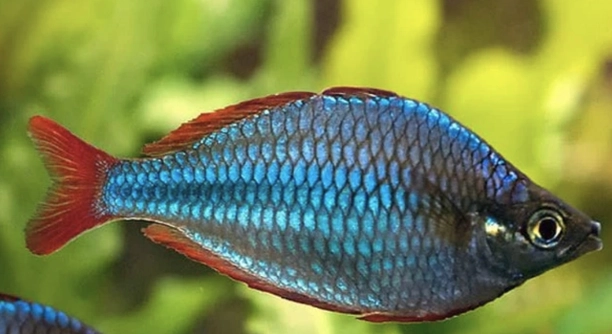
Rainbow fish are beautiful and vibrant creatures that can be a joy to have in any aquarium. However, ensuring they thrive requires more than just feeding them any food. Their dietary needs are specific, and making the wrong choices can affect their health.
When feeding rainbow fish, it’s important to avoid overfeeding, giving them the wrong type of food, neglecting water quality, feeding them at irregular intervals, using poor-quality food, providing a monotonous diet, and failing to consider their size.
Making the right feeding choices for your rainbow fish will ensure they stay healthy and colorful. Each factor plays a crucial role in supporting their growth and well-being. Understanding these key points is essential for their long-term health.
Overfeeding Rainbow Fish
Overfeeding is one of the most common mistakes when caring for rainbow fish. While it might seem like you’re doing them a favor by offering plenty of food, this can lead to serious health problems. Excess food left in the tank can rot and affect the water quality, creating an environment where harmful bacteria can thrive. Rainbow fish, like all fish, only need a small amount of food at a time.
Feeding them too much can also cause bloating and obesity, leading to other health issues like reduced lifespan. It’s essential to only provide as much food as they can consume within 2-3 minutes. Remove any uneaten food to avoid water contamination.
To prevent overfeeding, try using a feeding schedule. Offer food once or twice a day, adjusting the amount based on how much they actually eat. This will help maintain a balanced diet and healthy tank conditions. Ensuring a proper feeding routine is key to keeping your rainbow fish happy and thriving.
Incorrect Type of Food
Rainbow fish require a varied diet, and giving them the wrong food can harm their health. Providing them with only one type of food, such as just flakes or pellets, can lead to nutritional imbalances. A variety of foods helps to meet all their dietary needs.
In addition to their staple food, consider adding frozen or live foods like brine shrimp, daphnia, or bloodworms. These foods are packed with nutrients and can help bring out their natural colors. Offering a mix of high-quality flakes, pellets, and live foods ensures your rainbow fish stay healthy and vibrant. It’s also important to provide food that matches their size and mouth shape.
Avoid feeding them foods high in fillers or low in nutrients, as these can lead to digestive problems and other health issues. Rainbow fish are small but active, so they need a diet that supports their energy needs while also maintaining their overall health.
Neglecting Water Quality
Poor water quality can negatively impact your rainbow fish’s health. Dirty water introduces harmful toxins that can cause diseases and stress. It’s essential to maintain a clean tank environment, as fish rely on it for good health and proper digestion.
Regular water changes are crucial to keeping the environment stable. Aim to change about 20-25% of the water weekly, depending on tank size and fish load. Additionally, monitor water parameters such as pH, ammonia, nitrite, and nitrate levels to ensure they remain within safe ranges. A water filter can also help keep the tank clean by removing debris and harmful substances.
Clean, stable water promotes better digestion, reduces stress, and enhances the overall well-being of your rainbow fish. Avoid letting waste build-up in the water, as it can affect their immune system and lead to illnesses. Healthy water conditions are just as important as feeding the right foods for their growth and vitality.
Irregular Feeding Schedule
Feeding rainbow fish at inconsistent times can confuse them and affect their health. Fish thrive on routine, and a regular feeding schedule helps maintain their metabolism and digestion. Skipping meals or feeding at unpredictable times may lead to stress.
Stick to a feeding routine to establish consistency for your fish. This can prevent overfeeding or underfeeding, both of which can cause problems in the long run. With regular feedings, your rainbow fish will better adjust and stay in peak condition.
It’s important to note that they have a fast metabolism, and feeding at different times can affect their behavior. Over time, this inconsistency can lead to poor health, including slow growth, lethargy, or a weakened immune system. Aim to feed your rainbow fish at the same time each day for best results.
Poor-Quality Food
Feeding rainbow fish low-quality food can harm their health. Cheap fish food may contain fillers, artificial colors, and preservatives, which provide little nutritional value. These ingredients can cause digestive issues and lead to nutrient deficiencies.
To ensure the health of your rainbow fish, select high-quality food that provides balanced nutrition. Look for food with natural ingredients and avoid products with excessive fillers. Investing in better food will help your fish stay vibrant, active, and healthy. A nutritious diet supports their immune system, growth, and overall well-being.
Monotonous Diet
A monotonous diet can make your rainbow fish less healthy. Offering the same type of food every day can lead to nutritional deficiencies and make your fish less interested in eating. Variety is important for keeping them healthy and active.
Incorporating different types of food like flakes, pellets, and live or frozen options ensures your rainbow fish receive a range of nutrients. This variety mimics their natural diet and keeps them engaged during feeding time. It also provides all the essential vitamins and minerals they need for proper growth and energy.
Ignoring Fish Size
Feeding your rainbow fish food that’s too large or too small can cause issues. If the food is too big, they might struggle to swallow it properly. If it’s too small, they might not get enough nutrition. Always match the size of food to their needs.
FAQ
What is the best food for rainbow fish?
Rainbow fish thrive on a varied diet. High-quality flakes or pellets are essential for their basic nutrition. However, adding live or frozen foods such as brine shrimp, daphnia, and bloodworms helps provide extra protein and variety. A combination of dry and live foods ensures they get all the nutrients they need. Avoid foods with excessive fillers or artificial colors, as these may offer little nutritional value and could harm their digestive system.
How often should I feed my rainbow fish?
Rainbow fish should be fed once or twice a day. It’s best to provide them with as much food as they can consume within 2-3 minutes. This ensures they get enough without overfeeding, which can affect water quality. Stick to a routine, offering meals at the same times each day. This consistency will keep your fish healthy and help maintain good water conditions in the tank.
Can rainbow fish eat vegetables?
Yes, rainbow fish can eat vegetables. They enjoy plant matter like blanched spinach, zucchini, peas, and lettuce. These vegetables offer fiber and other nutrients that benefit their digestive health. Be sure to remove any uneaten vegetables from the tank to avoid polluting the water. You can introduce vegetables as a supplement to their regular diet, but they should not be the main food source.
How do I know if I’m overfeeding my rainbow fish?
Overfeeding rainbow fish can lead to a number of problems, including poor water quality and obesity. Signs of overfeeding include leftover food in the tank, which can decompose and affect the water, as well as bloated fish or sluggish behavior. If you notice these signs, reduce the amount of food and ensure that you are feeding them only what they can consume in a few minutes.
Why are my rainbow fish not eating?
There are several reasons why rainbow fish might stop eating. Stress from changes in water temperature or water quality can affect their appetite. Illness or injury could also cause them to lose interest in food. If your rainbow fish have stopped eating for more than a couple of days, check the tank’s water parameters and make sure they are in a stable environment. If the problem persists, consult a vet or fish expert.
How can I keep my rainbow fish vibrant?
Rainbow fish are known for their bright colors, and maintaining their vibrancy requires a healthy diet, stable water conditions, and minimal stress. A varied diet with high-quality foods helps bring out their natural colors. Additionally, maintaining clean water with the right temperature and pH levels will keep them healthy and vibrant. Regular water changes and avoiding overfeeding are also important for preserving their colors.
What temperature should the water be for rainbow fish?
Rainbow fish prefer a water temperature between 72°F and 78°F (22°C – 25°C). Keeping the water temperature in this range ensures they remain active and healthy. Temperatures outside this range, either too hot or too cold, can cause stress and even illness. It’s essential to monitor the tank temperature regularly to provide a stable environment for your fish.
Can rainbow fish live with other fish?
Yes, rainbow fish are generally peaceful and can live with other species as long as they are not overly aggressive. They do well in community tanks with other non-aggressive fish that share similar water requirements. Avoid housing them with overly territorial or aggressive species that could stress or harm them. Always research the compatibility of any new tankmates before introducing them to your rainbow fish.
How can I improve the water quality for my rainbow fish?
Maintaining good water quality is vital for the health of your rainbow fish. Regular water changes, typically 20-25% every week, help keep the water clean. Using a good filter system will also assist in removing waste and harmful toxins. Regularly test the water for ammonia, nitrites, and nitrates to ensure they stay within safe levels. Keeping the tank clean and removing uneaten food also prevents contamination.
Why is my rainbow fish showing signs of stress?
Rainbow fish can show signs of stress due to poor water quality, temperature fluctuations, overcrowding, or aggressive tankmates. Stress can also result from sudden changes in their environment, like moving to a new tank or adding new fish. To reduce stress, ensure the tank is properly maintained, and avoid sudden changes. Adding hiding spots can also help reduce stress by giving the fish a place to feel secure.
Final Thoughts
Taking care of rainbow fish involves paying attention to their diet, water quality, and overall environment. By following a regular feeding schedule and offering a balanced diet that includes both dry and live foods, you help ensure they stay healthy and vibrant. Avoid overfeeding, as it can lead to poor water quality and other health issues. It’s important to monitor the food they eat, making sure it meets their nutritional needs. Additionally, keeping the tank clean and stable is essential for their well-being.
Maintaining a healthy environment for your rainbow fish is just as important as feeding them the right food. Regular water changes are necessary to keep toxins at bay. Check water parameters like pH, ammonia, and nitrate levels to make sure they remain within safe limits. Stress can cause rainbow fish to lose their vibrant colors, so it’s important to ensure the tank conditions are right. Keeping the tank peaceful by avoiding aggressive fish and providing hiding spots can also help reduce stress and make them feel secure.
By focusing on the needs of your rainbow fish, you can create an environment where they thrive. A healthy diet, stable water conditions, and a peaceful environment are key factors in ensuring they live long and healthy lives. Pay attention to their behavior and adjust the feeding schedule or water quality as needed. With the right care, your rainbow fish can bring color and life to your aquarium for many years.

Hello,
If you enjoy the content that we create, please consider saying a "Thank You!" by leaving a tip.
Every little bit helps us continue crafting quality advice that supports the health, happiness, and well-being of pets around the world, for pets of all shapes, sizes, and species.
We really appreciate the kindness and support that you show us!