
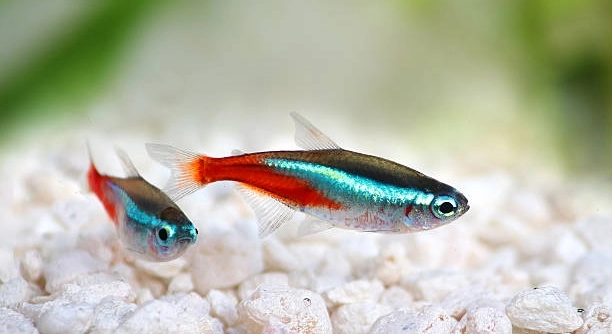
Feeding your Neon Tetra properly is essential to its health. However, certain mistakes can lead to issues that could harm your fish. By avoiding these common errors, you can ensure a longer, healthier life for your pet.
The key to feeding Neon Tetra is offering a balanced diet that suits their nutritional needs. Overfeeding, improper food types, and poor water quality can all negatively impact their health. Ensuring proper feeding practices will help maintain their vitality and longevity.
Avoiding these common mistakes will make a significant difference in the health of your Neon Tetra.
Overfeeding Neon Tetra
Overfeeding is one of the most common mistakes people make when feeding Neon Tetra. It can lead to water pollution, as uneaten food breaks down and releases toxins. This not only harms your fish but also the overall health of your aquarium. A good rule of thumb is to feed your Neon Tetra only what they can consume in a few minutes. By doing so, you reduce the risk of excess waste, which in turn helps keep the tank clean and the water quality high.
Feeding them too much can cause obesity and digestive problems, so moderation is key. You can offer small portions two to three times a day. Avoid large meals, as these will only go to waste. By providing the right amount of food, your fish will thrive, and the aquarium environment will remain healthy.
Proper feeding times are essential for maintaining your fish’s health. Monitoring their food intake closely will keep your tank clean and your Neon Tetra in top shape.
Incorrect Food Choices
Feeding your Neon Tetra the wrong type of food can result in poor health. These fish thrive on high-quality, nutrient-rich food like flake food and micro pellets. Foods meant for other species can cause digestive issues or be nutritionally incomplete for your fish.
Certain types of food might not sink properly, which is essential for Neon Tetra. They prefer food that stays within their reach, as they are not surface feeders. Avoid foods that can float for too long, as this can cause frustration and unnecessary stress. Ensuring proper food choices will help your fish maintain a balanced diet.
If you notice your Neon Tetra avoiding food or having trouble eating, consider switching to a more suitable option.
Poor Water Quality
Water quality plays a critical role in the health of your Neon Tetra. If the water is polluted or improperly filtered, it will affect their ability to digest food properly. Clean water is essential for efficient feeding, as poor water quality can lead to decreased appetite and stress.
To maintain water quality, ensure proper filtration, and conduct regular water changes. It is important to check the ammonia and nitrite levels frequently, as high concentrations of these toxins can harm your fish. The right water parameters, including pH and temperature, should also be maintained within the optimal range for Neon Tetra.
Frequent water testing helps you avoid unseen issues that could negatively affect the health of your fish. In a clean environment, your Neon Tetra will eat more readily, ensuring proper nutrition and overall well-being.
Overcrowding the Tank
Overcrowding is a major mistake when it comes to feeding your Neon Tetra. If the tank has too many fish, the food will not be distributed evenly, and some fish may not get enough to eat. Overcrowding also leads to stress, which can affect digestion.
Neon Tetras require space to feel secure while feeding. If they are constantly competing for food, their growth may be stunted, and their health may deteriorate. Keeping the tank at an appropriate size for the number of fish will reduce stress and allow for a more consistent feeding process.
Consider the tank’s capacity and avoid overcrowding by not exceeding the recommended number of fish per gallon. This will also help in maintaining water quality and keeping your Neon Tetra active and healthy.
Inconsistent Feeding Schedule
Feeding your Neon Tetra at irregular times can lead to digestive issues and stress. Consistency is key for maintaining their health and appetite. Feed them at the same time each day to help them adapt to a routine.
A set schedule also ensures your fish receive the proper amount of food daily. Skipping meals or feeding at random times can confuse your fish and disrupt their feeding habits. Stick to a regular feeding routine to maintain a healthy, happy Neon Tetra. This helps regulate their metabolism and ensures proper nutrition.
Low-Quality Food
Low-quality food often lacks essential nutrients, which can lead to malnutrition in your Neon Tetra. This will impact their growth, immunity, and overall health.
When choosing food for your fish, make sure to opt for high-quality, well-balanced options. Foods designed for Neon Tetra will provide the necessary nutrients and vitamins they need. If you notice any signs of ill health, such as faded colors or lethargy, consider switching to a better food source.
Feeding Too Much Live Food
Live food can be a great treat, but overfeeding it can cause problems. Live food like worms or brine shrimp can lead to overconsumption, which puts stress on your fish’s digestive system.
FAQ
How often should I feed my Neon Tetra?
Neon Tetras should be fed small portions two to three times a day. It’s important to avoid overfeeding, as it can cause water pollution and harm your fish. Offering them food they can consume within a few minutes will keep them healthy without compromising the water quality.
Can Neon Tetra eat frozen food?
Yes, Neon Tetra can eat frozen food such as brine shrimp or daphnia. However, it should be offered as a treat and not the primary food source. Frozen food can provide variety and nutritional benefits but should be thawed before feeding to ensure proper digestion.
Is it okay to feed Neon Tetra flake food only?
Flake food can be a staple in a Neon Tetra’s diet, but it’s important to vary their diet to ensure they receive all the necessary nutrients. Consider supplementing flake food with micro pellets, live food, or frozen options for a more balanced diet.
How do I know if I am overfeeding my Neon Tetra?
If you notice uneaten food left in the tank after feeding, it could be a sign of overfeeding. Excess food can also lead to poor water quality, which affects your fish. Monitor how much your fish are eating and adjust accordingly to avoid overfeeding.
Can Neon Tetra survive on a vegetarian diet?
Neon Tetra are omnivores, meaning they require both plant-based and animal-based foods. While they can eat some vegetables, such as blanched spinach, they still need animal protein sources like brine shrimp or micro worms for a balanced diet.
What should I do if my Neon Tetra isn’t eating?
If your Neon Tetra is not eating, check the water quality first. Poor water conditions can cause stress and loss of appetite. Also, consider whether the food is suitable or if your fish is feeling threatened by other tankmates. If the problem persists, consult a vet or aquarist.
Are there any foods I should avoid feeding my Neon Tetra?
Avoid feeding your Neon Tetra foods that are too large for them to consume or that are not meant for aquarium fish. Also, steer clear of processed human food, such as bread, which can cause digestive issues. Stick to high-quality, fish-specific food options.
What is the best temperature for feeding Neon Tetra?
Neon Tetra prefer water temperatures between 70°F and 81°F (21°C to 27°C). It’s best to feed them when the water is within this range, as they will be more active and have a better appetite. Extreme temperatures can cause stress and a lack of interest in food.
How long should I leave the food in the tank for Neon Tetra?
Neon Tetra should be given food that they can consume within a few minutes. Leftover food can pollute the water and attract harmful bacteria. Remove any uneaten food after 5 minutes to maintain clean water and prevent overfeeding.
Can I feed Neon Tetra at night?
It’s generally better to feed Neon Tetra during the day when they are more active. Feeding them at night may disrupt their natural cycle and cause stress. If you choose to feed them at night, ensure the water quality is optimal and remove any uneaten food promptly.
Do Neon Tetra eat plants?
Neon Tetra are not known to be plant eaters, but they may nibble on soft plants or algae in the tank. However, they do not usually cause damage to most plants. If you want to keep plants in the tank, make sure they are hardy and well-established to avoid damage from your fish.
Final Thoughts
Feeding your Neon Tetra the right way is essential for their health and well-being. They are small, delicate fish that require a balanced diet, clean water, and a stable environment. Overfeeding, poor food choices, and inconsistent feeding times can all negatively impact your fish’s health. Ensuring that you feed them only the right amount of food, choosing high-quality options, and keeping their tank clean are all critical steps for maintaining their long-term health.
While Neon Tetra are easy to care for, they do require attention to detail. Regular water changes, consistent feeding schedules, and providing a variety of food sources will help them thrive. A varied diet that includes flake food, frozen options, and occasional live food will provide them with the nutrients they need. Avoiding common mistakes like overfeeding and overcrowding will keep their environment stable and reduce stress. This attention to detail not only supports their physical health but also ensures their vibrant colors stay intact.
Ultimately, a well-balanced approach to feeding your Neon Tetra ensures their happiness and longevity. By avoiding overfeeding, providing the right types of food, and maintaining proper water conditions, you create an environment that promotes their well-being. These simple steps will help you enjoy a healthy, thriving aquarium where your Neon Tetra can flourish. Remember, a little care and consistency go a long way in keeping your fish happy and your tank clean.

Hello,
If you enjoy the content that we create, please consider saying a "Thank You!" by leaving a tip.
Every little bit helps us continue crafting quality advice that supports the health, happiness, and well-being of pets around the world, for pets of all shapes, sizes, and species.
We really appreciate the kindness and support that you show us!