
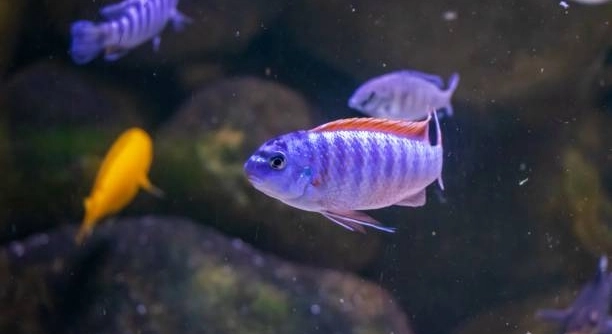
African cichlids are popular aquarium fish known for their vibrant colors and active behavior. Feeding them properly is important to keep them healthy and thriving. Many hobbyists struggle with what to avoid when providing food to these fish.
Avoiding common feeding mistakes is crucial for maintaining African cichlids’ health. Overfeeding, improper diet composition, and giving unsuitable food types can cause illness, poor growth, and water quality problems in their tanks. Correct feeding practices promote longevity and well-being.
Knowing what to avoid will help you create a better feeding routine for your cichlids. The following guide highlights key points to keep your fish happy and healthy.
Overfeeding Your African Cichlids
Overfeeding is one of the most common mistakes when caring for African cichlids. It’s easy to want to give your fish plenty of food because they seem hungry all the time. However, feeding them too much can lead to serious problems. Excess food often sinks to the bottom of the tank and starts to decay, which lowers water quality. Poor water quality can cause stress and illness in your fish. Overfeeding also leads to obesity and digestive issues in cichlids, making them less active and more vulnerable to disease. Instead of feeding large amounts at once, it’s better to provide smaller portions more frequently. Watching how much your fish actually eat in a few minutes will help you avoid overfeeding. This simple change can make a big difference in their health and the cleanliness of your aquarium.
Feeding small amounts at intervals reduces waste and helps maintain stable water conditions in the tank.
Managing feeding habits carefully ensures your cichlids stay healthy and active. Consistent portion control prevents water contamination and keeps your aquarium balanced. By observing your fish’s eating behavior, you can adjust amounts to fit their real needs. This reduces excess food buildup and supports their digestion. Keeping the tank clean and monitoring water parameters regularly also helps. Clean water means fewer diseases and a longer life for your cichlids. Feeding wisely is an easy step that protects both your fish and their environment.
Avoid Feeding Only Flake or Pellet Food
Feeding African cichlids exclusively with flake or pellet food limits their diet and can harm their health. These foods often lack the variety of nutrients cichlids need. In the wild, they eat a mix of plants, insects, and small animals, so their diet should be diverse. Relying on only processed food reduces essential vitamins and minerals. This can cause nutritional deficiencies, affecting their color, growth, and immune system. Supplementing with frozen or live foods such as brine shrimp, bloodworms, or spirulina is important. These additions provide protein and vitamins that flake food alone cannot offer. Feeding a balanced diet keeps your fish healthy and vibrant.
Providing a variety of foods prevents malnutrition and supports natural behaviors.
Offering different food types mimics their natural diet and supports all their nutritional needs. Live and frozen foods stimulate their hunting instincts, making feeding time more engaging. Including vegetable matter like spirulina or blanched spinach helps herbivorous cichlids maintain proper digestion. Avoid feeding only one kind of food to ensure your fish receive a full range of nutrients. This approach enhances their coloration, boosts their immune system, and improves overall vitality. A varied diet also reduces the risk of diet-related diseases, keeping your cichlids active and thriving over time. Feeding diversity is key to long-term health and happiness.
Feeding Human Food to African Cichlids
Human food can be harmful to African cichlids and should be avoided. Many common kitchen foods contain ingredients that fish cannot digest properly or that are toxic to them.
Certain human foods, like bread, chips, or cooked meats, contain fats, salts, and preservatives that negatively affect cichlids’ health. These foods can cause digestive issues and even lead to organ failure over time. Additionally, oils and seasonings often used in cooking are harmful to fish. Feeding human food disrupts their natural diet and nutritional balance, weakening their immune system and increasing the risk of disease. Instead, stick to fish-specific foods designed to meet their dietary needs.
Even small amounts of human food can cause water contamination. Uneaten pieces decay quickly, leading to ammonia spikes that stress your fish. Maintaining clean water is essential for their health and well-being.
Using Uneaten Food as Decoration
Leaving uneaten food in the tank is harmful to African cichlids. It breaks down, pollutes the water, and encourages harmful bacteria growth, which can lead to sickness.
Feeding the right amount and removing leftovers promptly helps maintain water quality. Uneaten food decomposes, producing ammonia and nitrites toxic to fish. These toxins stress the fish and weaken their immune systems, making them more susceptible to disease. Bacteria and fungi thrive on leftover food, increasing the risk of infections and tank imbalances. Regular tank cleaning and prompt removal of excess food keep the environment safe. Using feeding tools like automatic feeders or feeding rings can help control portions and reduce waste. Keeping the tank free of uneaten food is key to supporting healthy, vibrant cichlids.
Feeding Wild-Caught Food Without Proper Preparation
Feeding wild-caught food to African cichlids without cleaning or quarantining it can introduce harmful bacteria and parasites. This risks their health and can spread disease in the tank.
Always rinse wild-caught food thoroughly and quarantine it before feeding. This reduces the chance of contamination and keeps your fish safe.
Ignoring Water Quality After Feeding
Feeding impacts water quality significantly. Leftover food and increased fish waste can cause ammonia and nitrite levels to rise quickly. Monitoring water parameters after feeding helps prevent tank imbalances.
Regular water testing and partial water changes maintain a healthy environment. Clean water reduces stress and supports your cichlids’ immune systems.
Feeding Too Infrequently
Feeding African cichlids too rarely can cause malnutrition and stress. These fish need consistent feeding to maintain energy and growth.
FAQ
What should I feed African cichlids for a balanced diet?
African cichlids thrive on a diet that includes both protein and plant matter. High-quality cichlid pellets or flakes form a good base. Supplement these with frozen or live foods like brine shrimp, bloodworms, or daphnia to provide necessary protein. Including vegetable options such as spirulina flakes or blanched spinach helps support digestion and overall health. A varied diet ensures they get essential nutrients to maintain vibrant colors and strong immune systems.
How often should I feed my African cichlids?
Feeding your cichlids small amounts two to three times daily is ideal. This mimics their natural feeding habits and prevents overfeeding. Offer only what they can consume in about two to three minutes, then remove any leftovers. Regular, controlled feeding helps reduce waste buildup and maintains water quality, which is essential for their well-being.
Is it safe to feed African cichlids live foods?
Live foods can be very beneficial but must be sourced carefully. They provide natural proteins and stimulate natural hunting behavior. However, live foods can carry parasites or bacteria, so quarantine or buy from trusted suppliers. Using frozen options is a safer alternative that still provides nutritional benefits without the risk of introducing diseases.
Can African cichlids eat vegetables?
Yes, many African cichlids benefit from vegetable matter in their diet. Herbivorous and omnivorous species especially need plant-based foods like spirulina, zucchini, peas, or spinach. These vegetables support digestion and provide essential vitamins. Offering these occasionally ensures a balanced diet and prevents nutritional deficiencies.
What happens if I overfeed my cichlids?
Overfeeding causes uneaten food to settle and decay, polluting the water and raising ammonia levels. This can stress the fish and cause illness. Additionally, excess food intake may lead to obesity and digestive problems in your cichlids. Careful feeding and prompt removal of leftovers help maintain a clean environment and keep fish healthy.
Are human foods safe for African cichlids?
Most human foods are unsafe for African cichlids. Ingredients like salt, oil, spices, and preservatives can harm them. Even small amounts can cause digestive upset or water contamination. Always stick to foods designed for fish, as these meet their nutritional requirements without risking their health.
How can I tell if my cichlids are getting enough food?
Healthy cichlids are active, bright in color, and show interest during feeding times. If they appear lethargic, lose weight, or show dull colors, they might be underfed. Monitor their feeding behavior closely and adjust portions accordingly. Consistent feeding helps maintain their vitality.
Is it okay to feed the tank plants to my cichlids?
Some African cichlids enjoy nibbling on plants, but not all aquarium plants are safe or suitable. Avoid toxic plants and those treated with chemicals. Offering safe vegetables like spinach or peas is a better option to fulfill their need for plant matter without damaging the tank environment.
Should I clean the tank after feeding?
Cleaning leftover food and waste regularly is important to prevent water quality issues. Uneaten food can decay quickly and produce harmful chemicals. Vacuuming the substrate and performing partial water changes keep the tank healthy. A clean tank supports your fish’s immune system and reduces stress.
Can I feed my cichlids only pellets or flakes?
Feeding only pellets or flakes is not recommended. While convenient, these foods lack the variety needed for complete nutrition. Adding live, frozen, or vegetable foods ensures they get a range of vitamins and minerals, promoting better health and coloration. Variety is key for a thriving aquarium.
What should I do if my cichlids refuse to eat certain foods?
It’s normal for cichlids to be picky at times. Try offering different types of food or changing preparation methods, such as soaking pellets or mixing foods. Feeding smaller portions more frequently may also help. If refusal continues, check water conditions and health to rule out illness.
Can feeding habits affect cichlid aggression?
Yes, poor feeding practices can increase aggression. Hungry or stressed fish may become territorial and aggressive toward tank mates. Consistent feeding with enough food helps reduce competition and stress. Providing hiding spots and maintaining proper stocking levels also limits aggressive behavior.
Is it okay to feed African cichlids after dark?
African cichlids are generally more active during the day. Feeding after dark can disrupt their natural rhythm and lead to uneaten food if they are less active. Feeding during daylight hours is better for digestion and maintaining tank cleanliness.
How long can African cichlids go without food?
Healthy adult cichlids can survive a few days without food, but regular feeding is essential for their health. Extended fasting may weaken their immune system and cause stress. If you are away, consider using automatic feeders or asking someone to feed them to maintain consistency.
What are signs of poor nutrition in African cichlids?
Signs include faded colors, slow growth, weight loss, and lethargy. Poor nutrition weakens their immune system, making them more prone to disease. If these signs appear, review their diet and feeding schedule to ensure they get the nutrients they need.
This FAQ provides clear answers for common feeding concerns, helping keep your African cichlids healthy and vibrant.
Feeding African cichlids properly is one of the most important parts of keeping them healthy. Avoiding common mistakes like overfeeding, feeding only pellets, or giving human food can greatly improve their well-being. These fish need a balanced diet that includes both protein and plant matter, which helps support their growth, coloration, and immune system. Providing variety in their food, such as combining quality pellets with live or frozen options and vegetables, ensures they get the nutrients they need. Paying attention to portion sizes and feeding frequency also helps prevent water quality problems, which are common when too much food is given at once. Maintaining a clean and stable environment is just as important as the food itself.
Water quality often suffers when leftover food breaks down and pollutes the tank. This can lead to ammonia spikes and unhealthy conditions that stress your cichlids. Feeding the right amount and removing uneaten food quickly prevents these issues. Regular tank maintenance, including water testing and cleaning, is necessary to keep your fish thriving. Watching your cichlids’ behavior and appearance will help you notice if something is wrong with their diet or environment. Healthy fish are active, show good color, and eat eagerly. If you see signs of illness or lethargy, adjusting their feeding routine and checking the tank conditions should be your first steps.
Overall, a thoughtful approach to feeding African cichlids benefits both the fish and the aquarium. Avoiding harmful foods and poor feeding habits reduces stress and disease risks. Consistent feeding with appropriate food types supports natural behavior and longevity. Remember that every tank is different, so it’s important to observe your cichlids closely and make changes as needed. Taking these simple steps helps create a stable environment where your fish can grow and display their best colors. Feeding is not just about nutrition but also about caring for their overall health and happiness.

Hello,
If you enjoy the content that we create, please consider saying a "Thank You!" by leaving a tip.
Every little bit helps us continue crafting quality advice that supports the health, happiness, and well-being of pets around the world, for pets of all shapes, sizes, and species.
We really appreciate the kindness and support that you show us!