
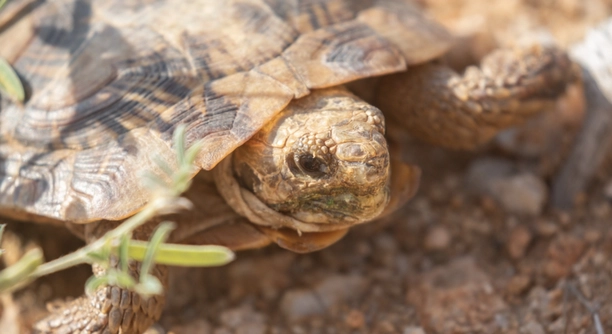
When setting up a tank for your pancake tortoise, decoration plays an essential role in their well-being. While it may seem fun to get creative, it’s important to choose wisely. Some decorations can harm your tortoise or make its environment unsuitable.
When decorating a pancake tortoise tank, avoid sharp objects, overly large items, and materials that may be harmful or difficult to clean. These choices can cause injury, stress, or make maintenance more difficult, which can impact your tortoise’s health.
Making informed decisions about the right decorations will create a comfortable and safe environment for your pancake tortoise.
1. Avoid Sharp Objects in the Tank
Sharp decorations, such as rocks with rough edges or plastic items, can cause injury to your pancake tortoise. Tortoises are curious animals and will often explore their surroundings. Any sharp object can lead to cuts or scratches, which can be harmful. Over time, injuries may even become infected, leading to more serious health problems. Keeping your tank free from sharp objects is essential for your tortoise’s safety.
Sharp objects may also stress your tortoise as they avoid or attempt to navigate around them. It’s better to use smoother, rounded decorations like safe stones or plastic plants with no sharp edges.
Ensure that any rocks or other items in the tank are sanded down or naturally smooth. Avoid glass or ceramic pieces that are not rounded. Your tortoise needs a comfortable environment to move freely and safely. You should also inspect the decorations periodically to ensure no damage has occurred over time, as even small cracks can become hazards. A little extra care in selecting safe items will help keep your tortoise happy and healthy.
2. Avoid Overcrowding the Tank
Overcrowding your pancake tortoise’s tank with decorations can limit their movement and create unnecessary stress.
A tortoise needs space to roam, hide, and feel safe. When the tank is filled with too many decorations, it can make your tortoise feel trapped, impacting its overall health. Keeping the space open and uncluttered is crucial.
3. Avoid Using Materials That Are Difficult to Clean
Materials like wood, fabric, or certain types of rocks may trap dirt, feces, and bacteria, making cleaning difficult. Keeping the tank clean is essential to prevent health issues for your tortoise. Some materials can absorb moisture and bacteria, which can lead to unpleasant odors or even infections.
It’s important to choose decorations that can be wiped down easily, such as plastic, ceramic, or smooth stones. These materials don’t absorb bacteria and can be quickly sanitized, ensuring a hygienic environment for your tortoise. If the decorations are harder to clean, they can create a breeding ground for harmful germs.
Consider using decorations that are specifically made for reptile tanks, as these are usually more practical for cleaning. You may also want to rotate out any items that are harder to sanitize and replace them with easier-to-maintain pieces. Keeping the tank clean reduces the risk of illness and makes your tortoise’s living environment more comfortable.
4. Avoid Using Toxic Plants
Not all plants are safe for your pancake tortoise. Some plants may be toxic if ingested and can cause serious harm. Always research any plants you add to the tank to ensure they are safe. Even some common plants can be harmful to reptiles.
For safety, it’s best to avoid any live plants unless they are known to be safe for tortoises. Many artificial plants made for reptile tanks are non-toxic and can be used without worry. These can add beauty to the environment without any risks. If you decide to use live plants, always double-check their toxicity before introducing them into the habitat.
Another consideration is ensuring that the plants you choose can thrive in the environment of the tank. Some live plants may not grow well in the specific humidity or temperature conditions your tortoise needs.
5. Avoid Using Decorations with Small Parts
Small parts can be a choking hazard to your pancake tortoise. Tortoises may try to bite or swallow things that aren’t food. Small pieces of decor can easily be ingested, leading to blockages or injury.
Make sure any decorative items are large enough that they can’t be swallowed or chewed into smaller pieces. Always inspect each item carefully before placing it in the tank to avoid potential risks. Avoid using decorations that break into small bits easily, especially if your tortoise is naturally curious about its surroundings.
It’s essential to opt for sturdy decorations that can’t be pulled apart or consumed. Larger objects like rocks or smooth ceramic pieces are safer choices for your tortoise’s habitat. Keeping decorations simple and durable is key to avoiding accidents.
6. Avoid Using Heat Sources Without Proper Monitoring
Exposing your pancake tortoise to unmonitored heat sources can cause burns or stress. Reptiles are sensitive to temperature changes and need a controlled environment.
Always ensure that any heating elements in the tank, such as heat lamps or pads, are placed correctly and monitored regularly. The temperature should be consistent to avoid causing harm to your tortoise. Overheating can lead to dehydration and stress, while insufficient heat can cause illness or a weakened immune system. Check temperatures frequently to ensure they stay within the safe range.
7. Avoid Using Decorations That Limit Visibility
Hiding your tortoise’s tank behind heavy or opaque decorations can make it feel more stressed and disoriented. Pancake tortoises benefit from visibility to their surroundings, as they are naturally shy creatures.
Creating an environment that balances both security and openness will help your tortoise feel safe without being overwhelmed. Keeping areas where your tortoise can retreat from view without completely obscuring them can create a comfortable balance.
FAQ
What type of substrate should I use for my pancake tortoise tank?
A good substrate is crucial for your pancake tortoise’s health. It’s best to use something natural and easy to clean, like a mix of sand and soil. Avoid using gravel or wood chips, as these can cause impaction if swallowed. Coconut fiber is another good option since it holds moisture, but be sure it’s not too wet. The substrate should be kept dry to prevent mold or bacteria growth, but it should still allow for digging. Make sure to replace the substrate regularly for a clean, safe environment.
Can I use live plants in the tank?
Live plants can be used in a pancake tortoise tank, but you must ensure they are non-toxic. Some plants are harmful to reptiles, so it’s crucial to research each plant before introducing it. If you decide to use live plants, be aware that they may not survive in the tank’s specific conditions, especially with the heat and humidity levels required for your tortoise. Alternatively, you can use artificial plants made for reptile tanks. These are low-maintenance and free from the risks associated with live plants.
How can I maintain the right temperature in my pancake tortoise tank?
Maintaining the right temperature is essential for your pancake tortoise’s health. The tank should have a basking area with a temperature between 95-100°F (35-38°C). The rest of the tank should have a cooler area, ideally around 75-80°F (24-27°C). Use a heat lamp or ceramic heater to maintain warmth, and a thermometer to monitor temperatures. Never place the heat source too close to the tortoise to avoid burns. Ensure there are no sudden temperature fluctuations that could stress your tortoise.
Is UVB lighting necessary for my pancake tortoise tank?
Yes, UVB lighting is necessary for your pancake tortoise’s health. UVB helps tortoises produce vitamin D3, which is essential for calcium absorption and bone health. Without UVB lighting, your tortoise can develop metabolic bone disease, which can be fatal. Use a high-quality UVB bulb designed for reptiles, and make sure it covers the entire basking area. Keep the UVB light on for about 12 hours each day, and replace the bulb every six months, as its UV output decreases over time.
How often should I clean my pancake tortoise tank?
Cleaning your pancake tortoise’s tank is essential to keep the environment healthy. Spot clean the tank daily by removing waste and uneaten food. Perform a more thorough cleaning every 1-2 weeks, changing the substrate and cleaning all decorations and surfaces. It’s important to disinfect the tank monthly to prevent bacterial growth. Be sure to use reptile-safe cleaning products to avoid harming your tortoise. Keeping the tank clean will help prevent disease and maintain a healthy environment for your tortoise.
What size tank does my pancake tortoise need?
The size of the tank depends on the age and size of your pancake tortoise. For a single adult tortoise, a tank size of at least 40 gallons is recommended. A larger tank provides more space for the tortoise to roam, hide, and bask, which is essential for its mental and physical health. If you plan to keep multiple tortoises, a larger tank is even more important. Make sure there is enough room for the tortoise to move around freely and comfortably.
Can I use decorative rocks in my pancake tortoise tank?
Decorative rocks can be a great addition to your pancake tortoise’s tank, but they should be smooth and free from sharp edges. Sharp rocks can injure your tortoise, so be sure to inspect each piece before placing it in the tank. Natural stones like slate or river rocks are good choices since they are safe and can help maintain the right humidity level. Always ensure that the rocks are securely placed and can’t be knocked over, as this could cause harm to your tortoise.
What foods should I provide for my pancake tortoise?
Pancake tortoises are herbivores and should be fed a diet primarily made up of leafy greens, grasses, and flowers. Offer a variety of foods such as collard greens, dandelion greens, hibiscus flowers, and clover. It’s important to avoid feeding them too much fruit, as it’s high in sugar and can upset their digestive system. Make sure the food is free from pesticides or chemicals. A balanced diet is essential for their overall health and helps them maintain a healthy weight and strong bones.
How can I make sure my pancake tortoise is hydrated?
Proper hydration is crucial for your pancake tortoise’s well-being. Offer fresh water in a shallow dish that is easy for them to access, but not too deep. Tortoises can easily drown in deep water, so make sure the water level is low enough for them to drink from safely. You can also mist the substrate regularly to maintain the appropriate humidity level. Always check that the water is clean, and replace it daily to ensure your tortoise stays hydrated and healthy.
Can I keep more than one pancake tortoise in the same tank?
It’s possible to keep multiple pancake tortoises in the same tank, but it requires careful consideration. You need to ensure that the tank is large enough to accommodate multiple tortoises, with plenty of space for each one to bask, hide, and roam. Additionally, you must monitor their behavior closely, as tortoises can become territorial, especially if there is a lack of space. If you see signs of aggression, it may be best to house them separately. Always provide multiple food and water sources to avoid competition.
Final Thoughts
Choosing the right decorations for your pancake tortoise tank is more than just about aesthetics. It’s about creating a safe, comfortable environment for your tortoise. The wrong decorations can lead to injury, stress, or even health problems. By avoiding sharp objects, toxic plants, and overcrowding, you can help ensure your tortoise has the best possible living space. Every decision, from the type of substrate to the material of the decorations, plays a role in your tortoise’s well-being.
A well-maintained tank with safe decorations will keep your tortoise happy and healthy for years to come. Regular cleaning is essential to prevent bacteria and mold from developing, which could harm your tortoise. Likewise, monitoring the temperature and lighting in the tank ensures that your pancake tortoise has the right environment for basking and resting. It’s easy to get carried away with making the tank look beautiful, but always remember that the safety and comfort of your tortoise should come first.
Lastly, it’s essential to do regular checks on the items in the tank. Over time, decorations can wear out or develop cracks that may pose a threat. Ensure there are no sharp edges or small parts that could become a choking hazard. By choosing practical, safe, and simple decorations, you create a happy and healthy habitat for your pancake tortoise. Taking the time to think about these factors will help your tortoise thrive in its new home.

Hello,
If you enjoy the content that we create, please consider saying a "Thank You!" by leaving a tip.
Every little bit helps us continue crafting quality advice that supports the health, happiness, and well-being of pets around the world, for pets of all shapes, sizes, and species.
We really appreciate the kindness and support that you show us!