
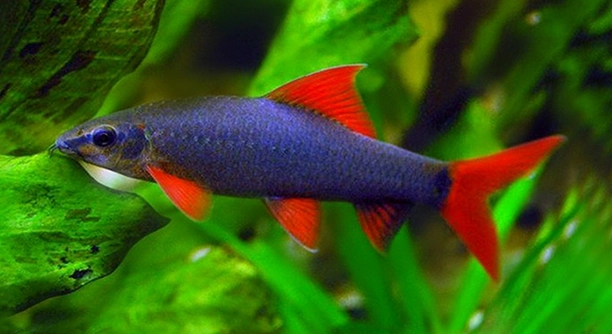
Caring for a Rainbow Shark can be rewarding, but it requires attention to specific needs. Many aquarists may unintentionally make mistakes that affect the fish’s health and behavior. Knowing what to avoid helps keep these colorful fish thriving.
Rainbow Sharks need proper tank conditions, balanced feeding, and peaceful companions. Avoid overcrowding, poor water quality, sudden changes, and inappropriate food. These common mistakes can lead to stress, disease, and shortened lifespan in Rainbow Sharks.
Learning these key points will improve your ability to care for your Rainbow Shark and ensure a healthy, vibrant aquatic environment.
Overcrowding the Tank
Keeping too many fish in a single tank is a common mistake. Rainbow Sharks are territorial and need space to swim freely. When the tank is overcrowded, stress levels rise, and aggressive behavior becomes more common. This can lead to injury or illness. It is important to research the tank size requirements before adding any fish. For a Rainbow Shark, a minimum of 30 gallons is recommended. This space helps maintain good water quality and allows the fish to establish its territory. Overcrowding also makes it harder to control water parameters. When multiple fish compete for oxygen and food, their health can quickly decline. Even if other fish species seem peaceful, overcrowding can trigger conflicts. Giving your Rainbow Shark enough room contributes to its overall well-being and keeps the aquarium environment stable. Regularly checking the fish population and tank conditions helps prevent problems related to overcrowding.
Overcrowding stresses Rainbow Sharks and leads to aggressive behavior and health issues.
To avoid overcrowding, ensure your tank size matches the needs of your fish. For one Rainbow Shark, 30 gallons is a good starting point. Adding other fish requires extra space and careful planning. Monitor fish behavior and water quality frequently to catch signs of stress early. If aggression occurs, consider rearranging decorations to break up sightlines or separating fish if necessary. Maintaining a balanced environment will make your Rainbow Shark more comfortable and healthier.
Poor Water Quality
Rainbow Sharks require clean and stable water conditions to thrive. Poor water quality can cause stress and lead to diseases like fin rot or fungal infections. Ammonia, nitrite, and nitrate levels need to be monitored regularly. Even small fluctuations can be harmful. It is important to perform regular water changes and use a reliable filtration system. Temperature also plays a key role; Rainbow Sharks prefer water between 72°F and 79°F. Sudden changes in temperature or pH can shock the fish. Testing kits help keep these factors under control. Avoid overfeeding, as leftover food decomposes and pollutes the water. Keeping plants or decorations clean will also help maintain good water conditions. Consistency in care is essential for a healthy aquarium.
Maintaining clean, stable water conditions is essential for your Rainbow Shark’s health and longevity.
Water quality affects every aspect of fish health. Ammonia and nitrite are toxic even at low levels, so testing weekly is crucial. Filtration removes waste, but filters must be cleaned without disturbing beneficial bacteria. Water changes of 20-30% weekly help reduce toxins and replenish minerals. Monitor temperature with a reliable heater and thermometer. Avoid rapid changes by adjusting conditions gradually. Using dechlorinated water prevents harm from tap chemicals. Keeping a schedule for maintenance avoids common water problems. Your attention to water quality will directly influence your Rainbow Shark’s well-being and ability to display its vibrant colors.
Inappropriate Diet
Feeding Rainbow Sharks the wrong food can cause health problems. They need a balanced diet with both plant and animal matter.
Rainbow Sharks are omnivores, so their diet should include high-quality pellets, flakes, and occasional live or frozen foods like bloodworms or brine shrimp. Avoid feeding only flakes or just plant-based foods, as this can lead to malnutrition. Overfeeding is also an issue; it can pollute the water and cause obesity. Feeding small amounts once or twice a day is best. Variety in diet supports their energy and vibrant colors, helping them stay healthy and active.
It’s important to observe your Rainbow Shark during feeding to ensure it’s eating properly. Remove any uneaten food to maintain water quality. Providing the right balance of nutrients promotes long-term health and prevents digestive issues. Supplementing with vegetables like blanched zucchini or spinach occasionally can help meet their nutritional needs.
Aggressive Tank Mates
Choosing aggressive or overly active tank mates can stress Rainbow Sharks and cause fights.
Rainbow Sharks are territorial and do not get along well with fin-nipping or aggressive fish like tiger barbs or large cichlids. Peaceful, similarly sized fish that occupy different tank levels, such as danios or tetras, make better companions. Introducing too many fish at once can increase tension. Observing the interactions in the tank helps detect aggression early. Providing hiding spots and decorations also reduces conflicts by breaking lines of sight. Keeping compatible tank mates ensures a calmer environment and helps Rainbow Sharks feel secure.
Sudden Changes in Environment
Rainbow Sharks are sensitive to sudden changes in their environment. Abrupt shifts in temperature or water chemistry cause stress and health problems.
Gradual adjustments are essential. When changing water or equipment, do it slowly to avoid shocking your fish. Consistency helps Rainbow Sharks stay healthy and active.
Lack of Proper Hiding Spots
Rainbow Sharks need places to hide and feel secure. Without sufficient decorations or plants, they become stressed and aggressive.
Providing caves, rocks, and plants mimics their natural habitat and improves their well-being. A well-decorated tank encourages natural behavior and reduces stress.
Ignoring Signs of Illness
Early signs of illness in Rainbow Sharks include loss of color, clamped fins, or lethargy. Monitoring your fish regularly helps catch problems early.
If symptoms appear, test water quality and isolate the fish if necessary. Prompt care prevents disease spread and supports recovery.
FAQ
How often should I feed my Rainbow Shark?
Feeding once or twice a day is ideal. Give small amounts that your fish can eat within a few minutes. Overfeeding can cause water pollution and health issues, so avoid leaving uneaten food in the tank. A balanced diet with variety supports their health.
Can Rainbow Sharks live with other fish?
Yes, but tank mates must be chosen carefully. Rainbow Sharks are territorial and may become aggressive toward fish that invade their space. Peaceful species that swim at different levels, like tetras or danios, tend to coexist better. Avoid fin-nippers or overly aggressive fish.
What tank size do Rainbow Sharks need?
A minimum of 30 gallons is recommended for one Rainbow Shark. They need room to swim and establish territory. Larger tanks are better if you want to keep multiple fish or different species together.
How often should I change the water?
Perform partial water changes of 20-30% weekly. Regular changes help keep water clean, reduce toxins, and maintain stable conditions. Always use dechlorinated water and match temperature and pH to the tank.
What water temperature is best for Rainbow Sharks?
They thrive between 72°F and 79°F. Maintaining a stable temperature within this range is important. Avoid sudden changes, as these can stress the fish and lead to illness.
What should I do if my Rainbow Shark becomes aggressive?
Aggression can result from overcrowding or poor tank setup. Check if the tank is too small or if tank mates are bothering it. Rearranging decorations to create hiding spots or separating fish may reduce aggression. Monitor behavior closely.
Why is my Rainbow Shark losing color?
Loss of color can signal stress, poor water quality, or illness. Test water parameters and observe for other symptoms like clamped fins or lethargy. Improving water quality and diet often helps restore color.
Can Rainbow Sharks eat vegetables?
Yes, they enjoy some plant matter. Blanched vegetables like zucchini, spinach, or peas can be offered occasionally. This adds fiber to their diet and promotes digestive health.
How do I prevent diseases in my Rainbow Shark?
Maintaining clean water, a balanced diet, and proper tank mates are key. Quarantine new fish before introducing them to the tank. Watch for early signs of illness and act quickly if problems arise.
What is the best filtration system for Rainbow Sharks?
A reliable filter that provides mechanical, biological, and chemical filtration is best. It should maintain water clarity and support beneficial bacteria. Make sure the filter’s flow is not too strong, as Rainbow Sharks prefer moderate currents.
Caring for a Rainbow Shark can be very rewarding when the right steps are taken. These fish need specific conditions to stay healthy and happy. Making sure the tank is large enough and not overcrowded is important. Overcrowding causes stress and can lead to fights or illness. A good tank setup includes clean water, proper temperature, and places for the fish to hide and feel safe. These factors help the Rainbow Shark live a longer and more comfortable life.
Feeding your Rainbow Shark the right diet is also key. They need a mix of plant and animal foods to get all the nutrients they require. Overfeeding or feeding only one type of food can cause problems. It is best to feed small amounts once or twice a day and remove any leftover food to keep the water clean. Watching how your fish eats will help you know if it is healthy or needs any changes in diet. A balanced diet keeps the fish active and shows off its bright colors.
Finally, paying attention to water quality and tank mates will prevent many common issues. Testing water regularly and doing partial water changes helps keep harmful chemicals low. Choosing peaceful tank mates that don’t fight with the Rainbow Shark reduces stress. If your fish shows signs of illness or changes in behavior, act quickly. Early care often makes a big difference. Following these simple but important steps can help you enjoy watching your Rainbow Shark thrive in your aquarium.

Hello,
If you enjoy the content that we create, please consider saying a "Thank You!" by leaving a tip.
Every little bit helps us continue crafting quality advice that supports the health, happiness, and well-being of pets around the world, for pets of all shapes, sizes, and species.
We really appreciate the kindness and support that you show us!