
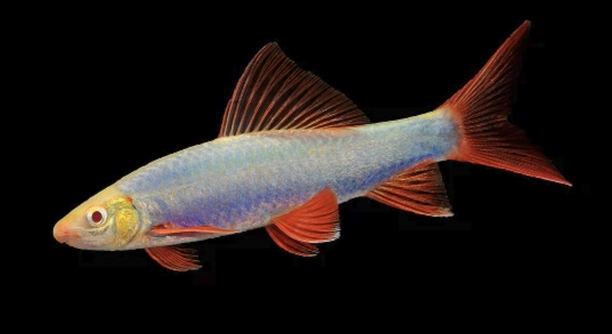
Caring for rainbow shark fry can be a rewarding experience for aquarium enthusiasts. These small fish require specific attention to grow healthy and strong. Avoiding common mistakes early on helps ensure their survival and well-being.
Rainbow shark fry are sensitive to water conditions, overcrowding, and improper feeding. Maintaining stable water parameters, providing adequate space, and offering a balanced diet are critical to preventing stress and health problems.
Knowing what pitfalls to avoid will improve your success with these delicate fish and help create a thriving tank environment for your rainbow sharks.
Avoid Overcrowding the Tank
Rainbow shark fry need enough space to swim freely and grow properly. When too many fry are kept in a small tank, they compete for oxygen, food, and hiding spots. Overcrowding causes stress, which lowers their immune system and can lead to illness or death. It is important to provide a tank size that matches the number of fry you have. For young fry, a tank of at least 20 gallons is recommended. Regular water changes are also necessary to keep the environment clean. Overcrowding can also lead to poor water quality, increasing harmful ammonia and nitrite levels. These toxins can quickly harm delicate fry. Keeping the tank clean and well-maintained with proper filtration helps avoid these problems. Giving each fry enough room encourages natural behavior and healthy growth. Avoid overcrowding to keep your rainbow sharks thriving.
Keeping the tank less crowded reduces aggression and stress among fry.
Proper stocking and maintenance help your fry develop strong immune systems and better swimming habits. Overcrowding often results in stunted growth and higher mortality rates. When space is limited, dominant fry may bully weaker ones, leading to injury or exclusion from food sources. By spacing out the fry, each fish can access sufficient resources and hide when needed. This balance improves their chances of survival during these fragile early stages. Remember, a calm and spacious tank supports better health and reduces the risk of disease outbreaks. It is also easier to monitor the health of individual fish when the tank isn’t overcrowded. Overall, careful attention to tank capacity plays a vital role in successful rainbow shark fry care.
Maintain Stable Water Conditions
Rainbow shark fry are very sensitive to sudden changes in water temperature and chemistry. Keeping the water stable helps prevent shock and stress. Consistent temperature around 75-79°F is ideal. Use a heater and thermometer to monitor this carefully. Sudden drops or rises in temperature can weaken the fry and make them prone to disease. Water pH should be kept slightly acidic to neutral, between 6.5 and 7.5. Test water regularly to check ammonia, nitrite, and nitrate levels. Ammonia and nitrites must be kept at zero, as even small amounts are toxic. Nitrates should be under 20 ppm to avoid long-term health effects. Avoid sudden water changes; instead, do partial water changes weekly to gradually refresh the tank. Introducing new water should match the tank’s current temperature and parameters closely to prevent shock. Maintaining stable water quality creates a safe environment where fry can grow without added stress.
Avoid Overfeeding Your Rainbow Shark Fry
Overfeeding can quickly pollute the water and harm your fry. Feeding small amounts two to three times a day is enough to meet their needs without leaving excess food to rot.
Excess food decomposes and raises ammonia levels, which is toxic to fry. Uneaten food also encourages the growth of harmful bacteria and algae, affecting water quality. Feeding too much can cause obesity and digestive issues in the fry. It is better to feed them small portions that they can consume within a few minutes. Remove any leftover food after feeding to keep the tank clean. Using a high-quality, finely crushed food designed for fry supports healthy growth without wasting resources.
Controlling feeding quantity helps maintain water quality and promotes healthy development. It also reduces the chance of disease outbreaks linked to poor water conditions caused by leftover food.
Avoid Using Harsh Chemicals or Medications
Rainbow shark fry have delicate immune systems and are sensitive to chemicals. Harsh medications or untreated water additives can stress or kill them. Always research treatments carefully before use.
Many common aquarium chemicals, like copper-based medications, are harmful to fry at even low doses. If treatment is necessary, look for products labeled safe for fry or use natural remedies. Avoid sudden changes to water chemistry by introducing chemicals gradually, if at all. Maintaining excellent water quality and proper care usually prevents most diseases, reducing the need for medication. If you must medicate, remove fry temporarily or isolate them in a hospital tank to limit exposure. Always follow dosage instructions precisely and monitor the fry closely during treatment to catch any negative reactions early. Preventive care is better than relying on medication.
Avoid Using Tap Water Without Treatment
Tap water often contains chlorine or chloramine, which are harmful to rainbow shark fry. Always treat tap water with a water conditioner before adding it to the tank.
Untreated tap water can cause gill damage and stress in fry. Using a dechlorinator ensures a safer environment and supports healthy development.
Avoid Keeping Fry with Aggressive Tank Mates
Aggressive fish can injure or stress rainbow shark fry, leading to poor growth or death. Keeping fry separate from aggressive species is essential for their safety.
Providing a peaceful environment reduces stress and improves fry survival rates.
Avoid Changing Water Too Frequently
Frequent large water changes can stress fry by disrupting their environment. Partial water changes once a week help maintain water quality without causing shock.
Avoid Sudden Feeding Changes
Sudden changes in diet can upset the fry’s digestion. Introduce new foods slowly to help them adjust and avoid digestive problems.
FAQ
How often should I feed rainbow shark fry?
Feeding rainbow shark fry two to three times a day with small portions is ideal. They need frequent meals but in amounts they can finish quickly to avoid leftover food polluting the tank. Use finely crushed flakes or specialized fry food to ensure they can eat easily.
What water temperature is best for rainbow shark fry?
The best temperature range for rainbow shark fry is between 75°F and 79°F (24°C to 26°C). Maintaining a stable temperature within this range supports their metabolism and immune system. Use a reliable heater and thermometer to monitor tank temperature consistently.
Can I keep rainbow shark fry with adult fish?
It’s not recommended to keep fry with adult fish, especially aggressive or larger species. Adults may bully or eat the fry. Keeping fry in a separate tank or a well-planted breeding tank reduces stress and improves survival chances.
What water parameters should I monitor for fry?
Keep pH between 6.5 and 7.5, ammonia and nitrite at 0 ppm, and nitrates below 20 ppm. These parameters prevent stress and toxic buildup. Test water frequently using aquarium test kits and perform partial water changes to maintain good water quality.
How often should I change water for the fry tank?
Partial water changes of 20-30% weekly are best. This frequency maintains water quality without shocking the fry with sudden changes. Always use dechlorinated water at the same temperature and parameters as the tank to avoid stress.
What do rainbow shark fry eat?
Fry eat finely crushed flakes, micro pellets, and specially formulated fry food. Some aquarists also offer freshly hatched brine shrimp or microworms as a protein-rich treat. A varied diet ensures proper growth and development.
How do I prevent diseases in rainbow shark fry?
Maintaining clean water, avoiding overcrowding, and feeding properly are key. Avoid harsh chemicals and unnecessary medications. Quarantine new fish or plants before adding them to the tank to reduce disease risk.
Is it necessary to use a filter with fry?
Yes, a gentle filter helps keep water clean and oxygenated but avoid strong currents that can stress fry. Sponge filters are often recommended because they provide filtration without harming small fish.
What signs show that my fry are stressed?
Signs include lethargy, loss of appetite, gasping at the surface, and erratic swimming. Stress can be caused by poor water quality, overcrowding, or aggressive tank mates. Address these issues promptly to improve their health.
Can I use tap water directly for the fry tank?
Never use untreated tap water directly. Tap water contains chlorine and chloramine, which are harmful to fry. Always treat tap water with a water conditioner before adding it to the tank to neutralize harmful chemicals.
Caring for rainbow shark fry requires attention to many small details that together create a healthy environment. Avoiding common mistakes, such as overcrowding, overfeeding, and sudden changes in water conditions, helps ensure that these delicate fish grow strong. Each step, from maintaining stable water temperature to offering the right food in the correct amounts, plays a vital role in their development. It is important to remember that patience and consistency are key when caring for fry. Rushing or skipping proper care can easily lead to stress and illness, which are often fatal for young fish.
Water quality is one of the most important factors to monitor. Rainbow shark fry are very sensitive to poor water conditions and toxins like ammonia and nitrites. Regular partial water changes, careful filtration, and water testing are essential to keep the tank environment safe. Using tap water without treating it first can introduce harmful chemicals, so always use a water conditioner. Maintaining a peaceful environment by avoiding aggressive tank mates and overcrowding helps reduce stress, which improves the fry’s ability to grow and fight off diseases. Feeding the fry small, frequent meals with the right food will support their nutritional needs without polluting the tank.
Overall, caring for rainbow shark fry is rewarding but requires steady attention and careful planning. By avoiding common errors and focusing on stable water conditions, proper feeding, and gentle handling, the chances of successfully raising healthy fish increase significantly. Small, consistent actions build a strong foundation for their growth. The goal is to create a balanced environment where the fry can thrive naturally. Keeping these guidelines in mind will help anyone provide the best care possible for rainbow shark fry.

Hello,
If you enjoy the content that we create, please consider saying a "Thank You!" by leaving a tip.
Every little bit helps us continue crafting quality advice that supports the health, happiness, and well-being of pets around the world, for pets of all shapes, sizes, and species.
We really appreciate the kindness and support that you show us!