
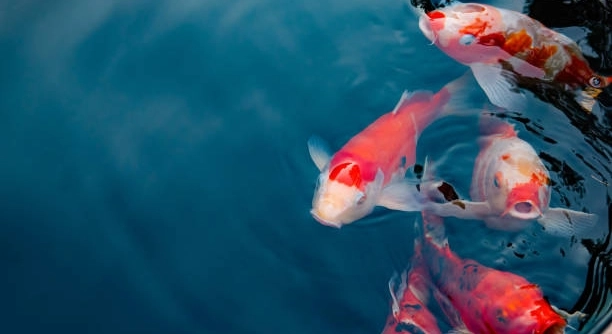
Caring for koi fish can be a rewarding experience for any fish enthusiast. These colorful creatures need proper attention to stay healthy and vibrant. Knowing what to avoid is just as important as learning what to do.
Avoiding common mistakes such as overfeeding, poor water quality, and improper handling is essential for koi fish care. Neglecting these factors can lead to stress, illness, and shortened lifespan, compromising the fish’s well-being and the overall pond environment.
Understanding these pitfalls will help you maintain a thriving koi pond. This guide highlights key areas where many koi keepers often go wrong.
Overfeeding Your Koi Fish
Feeding koi fish too much is a common mistake. It might seem like they are always hungry, but giving them extra food can harm their health. Uneaten food settles at the bottom of the pond and begins to rot, which affects water quality. Poor water quality can lead to diseases and stress for the fish. Koi have a slower metabolism in cooler weather, so they need less food then. Feeding them too often or too much can cause obesity and make it hard for their immune system to fight illness. It’s best to feed only what they can eat in a few minutes, once or twice a day. Observing their behavior helps you understand when they are hungry or full.
Overfeeding also increases waste production, making pond maintenance more difficult. Keeping food portions small supports a cleaner, healthier environment.
Many koi keepers find it helpful to measure food and set regular feeding times. This prevents accidental overfeeding. Using high-quality, nutritious food also reduces waste and promotes strong growth. In colder months, reducing feeding or stopping altogether until the water warms up is vital. This careful feeding routine leads to healthier fish and clearer water.
Neglecting Water Quality
Water quality is critical for koi health. Poor conditions cause stress and disease.
Keeping the pond clean requires regular water testing and changes. Ammonia, nitrite, and nitrate levels must stay low. Proper filtration and aeration help maintain balance. Skipping these steps risks the fish’s well-being.
Healthy koi depend on clean, oxygen-rich water. Monitoring pH and temperature also plays an important role. Sudden changes can shock the fish, so gradual adjustments are best. Proper filtration removes harmful substances and keeps water clear. Regular partial water changes replace toxins and refresh the pond environment. Cleaning filters often ensures they work efficiently. Algae growth should be controlled, as it can reduce oxygen at night. Plants can be beneficial but must be balanced. Taking care of water quality creates a stable habitat where koi can thrive without stress or disease. This attention to detail is key to long-term success.
Improper Handling of Koi Fish
Handling koi too much or roughly can cause injury and stress. Their scales and slime coat are delicate, so gentle care is essential.
When moving koi, always wet your hands first to protect their slime coat. Avoid squeezing or dropping them, as this can cause bruising or infections. Use a soft, fine-mesh net designed for koi to reduce damage. Minimizing handling helps keep them calm and healthy.
Stress from improper handling weakens their immune system, making them more prone to illness. If you must handle them for health checks or pond cleaning, be quick and careful. Preparing everything beforehand reduces the time koi spend out of the water. Letting them recover in a quiet, shaded area after handling also helps. Consistent gentle treatment builds trust and keeps your fish safe.
Ignoring Signs of Illness
Koi often show subtle signs when they’re unwell, but ignoring these can lead to serious problems. Early detection is important for effective treatment.
Look for changes in behavior, appetite, or appearance such as clamped fins, spots, redness, or erratic swimming. These may indicate infections, parasites, or water quality issues. Acting quickly can prevent the spread of disease and save your fish. Regular observation is key to catching problems early. Treating minor issues promptly helps avoid costly and difficult treatments later. Consult a veterinarian or fish health expert if unsure. Keeping quarantine tanks ready allows you to isolate sick fish safely and protect the rest of your pond. Monitoring and responding to health changes maintains a strong, vibrant koi population.
Overcrowding the Pond
Too many koi in one pond leads to poor water quality and stress. Overcrowding reduces oxygen levels and increases waste, harming fish health.
Koi need enough space to swim freely. Crowded conditions invite disease and stunt growth. Maintaining proper stocking density is essential.
Using Untested Water Treatments
Not all water treatments are safe for koi. Some chemicals can harm fish or upset the pond’s balance. Always research and use products made specifically for koi ponds. Follow instructions carefully to avoid overdosing.
Poor Pond Maintenance
Regular cleaning and filter care prevent buildup of harmful substances. Neglecting maintenance can lead to dangerous water conditions.
Keeping the pond clean supports healthy fish and clear water.
How often should I feed my koi fish?
Feeding koi once or twice a day is usually enough. Only give them what they can eat within five minutes to avoid leftover food that pollutes the pond. In colder weather, especially when water temperatures drop below 50°F (10°C), reduce feeding or stop altogether. Koi’s metabolism slows down, so they need less food. Feeding too much can lead to poor water quality and health problems.
What is the best water temperature for koi fish?
Koi thrive in water temperatures between 65°F and 75°F (18°C to 24°C). They can survive in colder or warmer water, but sudden temperature changes stress them. Avoid rapid shifts by gradually adjusting the water temperature if needed. Maintaining a stable environment helps koi stay healthy and active.
How often should I change the water in my koi pond?
Partial water changes of about 10-20% every week or two are recommended. This helps keep ammonia, nitrites, and nitrates low. Completely changing the water is not advised because it disrupts the natural balance. Using a water conditioner during changes removes harmful chlorine and chloramines.
What kind of filter is best for a koi pond?
A combination of mechanical and biological filtration works best. Mechanical filters remove debris, while biological filters break down harmful ammonia and nitrites. UV sterilizers can also help control algae and parasites. Proper filtration keeps water clear and healthy, which is vital for koi well-being.
How can I prevent algae growth in my koi pond?
Controlling algae starts with proper filtration and water changes. Avoid overfeeding since excess nutrients feed algae. Adding aquatic plants provides shade and competes with algae for nutrients. UV sterilizers reduce algae by killing free-floating spores. Keeping the pond balanced reduces unwanted algae growth.
Can koi fish live with other fish?
Koi can live with some other fish species like goldfish if the pond is large enough and conditions are right. Avoid mixing them with aggressive or very small fish, as koi may injure or outcompete them. Monitor interactions closely to ensure peaceful coexistence.
How do I know if my koi is sick?
Look for changes in behavior such as lethargy, loss of appetite, or unusual swimming patterns. Physical signs include spots, redness, ulcers, clamped fins, or excessive slime. Early detection and treatment improve the chances of recovery. Always quarantine new fish to prevent introducing diseases.
Is it necessary to quarantine new koi fish?
Yes, quarantining new koi for at least two weeks helps prevent diseases from spreading to your main pond. During this time, observe for signs of illness and treat if necessary. This step protects your entire koi population and keeps the pond healthy.
What should I do if my koi fish gets injured?
Isolate the injured fish in a quarantine tank to prevent infection. Clean the wound gently with pond water or a mild antiseptic made for fish. Monitor closely and consider consulting a vet if the injury worsens. Good water quality and stress reduction support healing.
How much space does each koi fish need?
Generally, allow about 250 gallons (950 liters) of water per adult koi. This space helps maintain good water quality and allows comfortable swimming. Overcrowding stresses koi and increases disease risks. Larger ponds make caring for koi easier and more successful.
Caring for koi fish requires attention to several important details. Avoiding common mistakes like overfeeding, poor water quality, and rough handling can greatly improve the health and happiness of your fish. Each step in koi care builds on the others, so being consistent and careful will create a good environment for your pond. Even small actions, such as feeding the right amount or keeping the water clean, make a big difference over time.
Maintaining good water quality is one of the most important factors in koi care. The right balance of oxygen, pH, and cleanliness keeps the fish safe from stress and disease. Using proper filtration and testing the water regularly helps catch problems early. Changing only part of the water instead of all at once supports a stable pond environment. When you notice changes in the fish’s behavior or appearance, it’s important to act quickly and check for issues like parasites or infections.
Taking care of koi fish is a responsibility that requires patience and knowledge. It’s normal to make mistakes at first, but learning from them will help you improve. Using gentle handling methods and giving your fish enough space keeps them comfortable and healthy. Watching your koi grow and thrive can be very rewarding when you provide the right care. Staying aware of what to avoid is just as important as knowing what to do for a happy, healthy koi pond.

Hello,
If you enjoy the content that we create, please consider saying a "Thank You!" by leaving a tip.
Every little bit helps us continue crafting quality advice that supports the health, happiness, and well-being of pets around the world, for pets of all shapes, sizes, and species.
We really appreciate the kindness and support that you show us!