
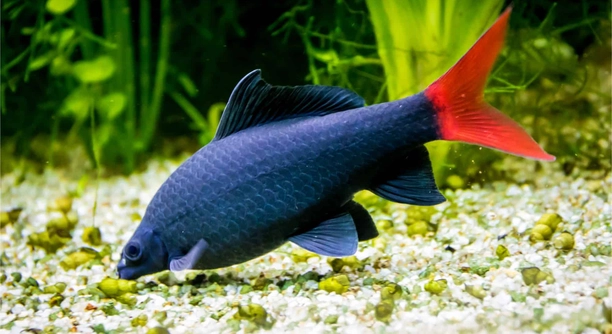
Caring for a rainbow shark requires attention and knowledge to keep it healthy and happy. Many aquarium owners enjoy these colorful fish but sometimes make avoidable mistakes. Learning what to avoid helps ensure a peaceful environment for your fish.
Avoiding overfeeding, keeping water clean, providing enough space, and preventing aggression are key to successful rainbow shark care. Poor water quality, small tanks, and incompatible tank mates often lead to stress and illness in these fish.
Knowing these common pitfalls will help you create a better home for your rainbow shark and improve its well-being in your aquarium.
Overfeeding and Its Effects on Rainbow Sharks
Overfeeding is a common mistake among rainbow shark owners. These fish have a hearty appetite, but giving them too much food can lead to serious problems. Excess food can pollute the tank water, causing harmful ammonia and nitrite levels to rise. This pollution stresses the fish, weakens their immune system, and can lead to diseases. It also promotes algae growth, making your aquarium look dirty and unhealthy. Feeding small amounts two to three times a day is enough. Be sure to remove any uneaten food after a few minutes to keep the water clean. Using sinking pellets or wafers designed for bottom feeders helps target their diet properly. Monitoring their eating habits and adjusting feeding accordingly will keep your rainbow shark healthy and active. Avoiding overfeeding benefits both your fish and the overall tank environment.
Overfeeding often causes poor water quality and health issues in rainbow sharks.
Proper feeding supports the balance of your aquarium and prevents common health risks. Being mindful about food portions reduces waste and maintains a clean habitat for your fish to thrive.
Maintaining Clean Water and Proper Filtration
Maintaining clean water is essential for rainbow sharks. They are sensitive to poor water conditions, and dirty water can cause stress and disease. Frequent water changes, about 20% weekly, help remove toxins and keep water fresh. A good filter is crucial to remove waste and debris while keeping oxygen levels high. Choose a filter suitable for your tank size and make sure it runs continuously. Test water parameters regularly to monitor ammonia, nitrites, nitrates, and pH. Keeping these in the right range prevents illness. Avoid overcrowding the tank because more fish produce more waste. Proper tank maintenance ensures your rainbow shark lives in a healthy and stable environment, reducing stress and boosting its immune system. Consistent care will lead to a longer, happier life for your fish.
Providing Enough Space
Rainbow sharks need enough room to swim freely and establish their territory. Small tanks cause stress and aggressive behavior, so avoid keeping them in tanks smaller than 30 gallons.
A cramped environment limits swimming space and increases territorial fights. In small tanks, rainbow sharks feel threatened and may become aggressive toward other fish. A larger tank allows them to explore and reduces stress, improving their overall health. Providing hiding spots and decorations can also help break lines of sight, preventing constant territorial disputes. Make sure your tank is at least 30 gallons or more to support a single rainbow shark comfortably.
Besides tank size, water quality is easier to maintain in larger tanks because waste is diluted more effectively. A well-sized tank reduces stress-induced illnesses and promotes natural behavior. Giving your rainbow shark enough space is essential for their well-being and longevity.
Avoiding Aggressive Tank Mates
Rainbow sharks can be territorial and aggressive, especially toward slow-moving or long-finned fish. Choosing peaceful and fast-swimming tank mates helps maintain harmony. Avoid keeping them with goldfish, bettas, or guppies, as these species are often harassed.
Compatible tank mates include larger, robust fish that can handle the shark’s territorial nature without stress. Fish like danios, barbs, and certain types of catfish are usually good choices. Monitor the tank closely for signs of bullying or stress. Separating aggressive fish early prevents injury and loss.
Properly selecting tank mates helps reduce aggression, creating a balanced environment where all fish can thrive peacefully. This prevents injuries and stress-related illnesses, contributing to a healthier aquarium.
Avoiding Sharp or Rough Decorations
Sharp or rough decorations can injure rainbow sharks. Their delicate fins and bodies are prone to cuts and scrapes if the tank contains jagged objects.
Smooth decorations and plants create a safer environment. Rounded stones and soft artificial plants help prevent injuries and reduce stress for your fish.
Monitoring Water Temperature Consistently
Rainbow sharks thrive in water temperatures between 72°F and 79°F (22°C–26°C). Temperatures outside this range can cause stress and weaken their immune systems. Use a reliable heater and thermometer to maintain stable conditions. Sudden changes in temperature may lead to illness or death. Regularly checking temperature ensures your fish remains comfortable and healthy.
Avoiding Overcrowding
Overcrowding increases waste and stress, making it harder to keep water clean. It also leads to more aggressive behavior among fish.
What do rainbow sharks eat?
Rainbow sharks are omnivores and prefer a diet that includes both plant and animal matter. In the wild, they feed on algae, small insects, and crustaceans. In captivity, you can offer sinking pellets or wafers made for bottom feeders. Supplement their diet with occasional live or frozen foods like bloodworms, brine shrimp, or daphnia. Including fresh vegetables like zucchini or spinach helps provide necessary fiber and nutrients. Feeding a varied diet keeps them healthy and active. Avoid overfeeding to prevent water quality issues.
How often should I change the water in my rainbow shark’s tank?
Regular water changes are critical for keeping rainbow sharks healthy. Change about 20% to 25% of the water weekly to keep ammonia and nitrate levels low. This helps remove fish waste, leftover food, and toxins. Always treat tap water with a water conditioner to remove chlorine or chloramine before adding it to the tank. Avoid doing a full water change all at once, as this can stress your fish. Maintaining clean water with frequent partial changes supports stable water chemistry and keeps your rainbow shark comfortable.
Can rainbow sharks live with other fish?
Yes, rainbow sharks can live with other fish, but tank mate selection is important. They are territorial and may act aggressively toward slow-moving or long-finned fish like bettas or guppies. Good tank mates are fast, peaceful fish such as danios, barbs, and larger catfish. Avoid overcrowding and provide plenty of hiding spaces to reduce stress and fights. Always observe your tank to catch signs of aggression early. If conflicts occur, consider separating the fish to keep everyone safe.
How big do rainbow sharks get?
Rainbow sharks typically grow up to 6 inches (15 cm) in length when fully mature. Their size makes them suitable for medium to large tanks, ideally 30 gallons or more. Providing enough space helps reduce stress and aggression. Keep in mind that they need room to swim and establish territory, so a larger tank benefits their well-being. Proper care and diet will help your rainbow shark reach its full size.
What are common health problems in rainbow sharks?
Rainbow sharks are generally hardy but can face health issues if tank conditions are poor. Common problems include fin rot, ich (white spot disease), and bacterial infections. Poor water quality and stress often cause these illnesses. Overfeeding and overcrowding increase the risk of disease. Quarantine new fish before adding them to the tank to prevent spreading infections. Regular water testing and maintaining proper tank conditions are the best ways to keep your rainbow shark healthy.
How do I know if my rainbow shark is stressed?
Signs of stress in rainbow sharks include hiding frequently, loss of color, rapid breathing, or loss of appetite. Aggressive or erratic swimming behavior may also indicate discomfort. Stress can result from poor water quality, aggressive tank mates, or improper tank size. Checking water parameters and ensuring a calm environment helps reduce stress. Prompt action to improve tank conditions can prevent illness and promote recovery.
Is a filter necessary for a rainbow shark tank?
Yes, a filter is essential for any rainbow shark aquarium. These fish produce a fair amount of waste, and a filter helps keep the water clean by removing debris and harmful chemicals. A good filter also maintains oxygen levels, which is important for your fish’s health. Choose a filter rated for your tank size and clean it regularly to ensure proper function. Without filtration, water quality deteriorates quickly, leading to stress and disease.
Caring for a rainbow shark involves understanding their basic needs and avoiding common mistakes. These fish require clean water, enough space, proper diet, and peaceful tank mates to thrive. Paying attention to their environment helps reduce stress and prevent illness. Keeping the tank well-maintained with regular water changes and a good filtration system is essential. When you give them the right care, rainbow sharks can live a healthy, active life in your aquarium.
It is important to avoid overfeeding and overcrowding, as these problems often lead to poor water quality and aggressive behavior. Overfeeding can cause pollution in the tank, making it harder to keep water clean. Too many fish in one tank also increases waste and stress among the inhabitants. Ensuring your rainbow shark has enough room and receives the proper amount of food creates a more peaceful and balanced aquarium. Selecting suitable tank mates helps reduce fights and promotes a calm environment where your fish can feel safe.
Being mindful of these key points will help you provide a better home for your rainbow shark. Understanding their needs and avoiding harmful habits is the best way to support their health. With patience and regular care, your rainbow shark can thrive and bring color to your tank for years. Taking these simple steps creates a positive experience for both you and your fish. It shows how small changes in care can make a big difference in the well-being of your aquatic pet.

Hello,
If you enjoy the content that we create, please consider saying a "Thank You!" by leaving a tip.
Every little bit helps us continue crafting quality advice that supports the health, happiness, and well-being of pets around the world, for pets of all shapes, sizes, and species.
We really appreciate the kindness and support that you show us!