
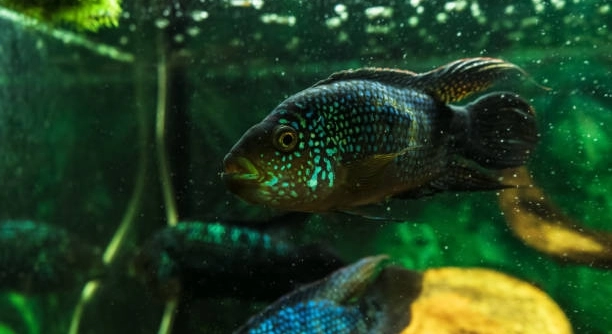
Have you ever started breeding Jack Dempseys and felt unsure about the process? These fish are beautiful and lively, but breeding them requires patience, careful planning, and an understanding of their specific needs in the tank environment.
Breeding Jack Dempseys successfully requires avoiding common errors that compromise fish health and fry survival. Key issues include improper tank setup, poor water quality, incorrect feeding practices, incompatible pairings, and failure to monitor stress levels, all of which reduce breeding success.
Knowing these mistakes can help you create a healthier, more productive environment. Paying attention to small details early can make a big difference for your fish.
Overcrowding the Tank
Overcrowding is a major problem when breeding Jack Dempseys. These fish need space to establish territories and feel secure. When the tank is too full, aggression increases, and stress levels rise. Fry survival drops because parents may eat eggs or attack smaller fish. Proper spacing also allows for better water circulation, keeping conditions stable. Juvenile fish are more vulnerable in crowded conditions, making it harder for them to grow strong and healthy. Even if the tank seems large, Jack Dempseys are aggressive and need clear boundaries. Avoid adding extra fish or pairing multiple breeding couples together. Keep a separate tank for fry to ensure they grow safely. Maintaining enough space supports natural behaviors, encourages healthy breeding, and reduces the risk of disease. Monitoring tank population is essential and often overlooked, but it directly impacts the success of your breeding efforts.
Keeping the tank population low ensures healthier adults and higher fry survival, reducing aggression and maintaining cleaner, stable water conditions.
Focusing on tank size and fish numbers prevents many common problems. Overcrowding stresses both adults and fry, which can lead to illness and lower reproductive success. A spacious environment allows fish to display natural behaviors, reduces fighting, and ensures that eggs and fry are safer from attacks. Using separate tanks or dividers can help manage aggressive pairs and protect young fish. Regularly checking population levels helps maintain balance and reduces surprises. By controlling numbers, you make the breeding process smoother and more predictable. Healthy fish are more likely to breed successfully and produce strong fry, saving time and effort in the long run. Creating enough space shows respect for their natural instincts while improving overall tank health.
Poor Water Quality
Poor water quality can quickly harm Jack Dempseys and their fry. Dirty water, improper pH, and inconsistent temperature weaken fish health and lower survival rates.
Maintaining clean water, stable temperature, and balanced pH is crucial for successful breeding. Regular testing and partial water changes prevent dangerous spikes in toxins like ammonia and nitrites. Jack Dempseys are sensitive to fluctuations, and even minor changes can stress adults and fry, reducing breeding efficiency. Filters should be chosen carefully to avoid strong currents that might disturb eggs. Using dechlorinated water ensures fry develop properly, while keeping nutrients balanced prevents algae overgrowth and other complications. Observing water conditions daily allows for quick corrections, which can mean the difference between thriving fry and high mortality. Water quality directly influences fish behavior, aggression levels, and overall health. By prioritizing consistent, clean water, breeders can create a safe, stable environment that supports both adults and young fish. Preventing sudden changes and maintaining optimal conditions will increase breeding success and promote long-term tank health.
Ignoring Pair Compatibility
Jack Dempseys are territorial, and not all fish make good breeding pairs. Mismatched pairs can fight constantly, causing stress and injuries. Choosing compatible fish increases chances of successful mating and healthier fry.
Carefully observing behavior before pairing is essential. Look for signs of aggression, dominance, or submissiveness. A compatible pair will display mutual interest without excessive fighting. Introduce fish gradually and monitor interactions closely. Sometimes, moving a male or female to a separate tank temporarily can help reduce aggression. Compatibility also affects egg care, as stressed fish may eat or abandon their eggs. Taking time to assess behavior saves effort and prevents potential losses. Selecting a pair that gets along naturally supports healthier breeding and reduces conflict.
Even after choosing a compatible pair, interactions must be monitored throughout the breeding process. Environmental stressors, like sudden changes in water or tank decorations, can trigger aggression even in otherwise compatible fish. Adjusting tank layout, providing hiding spots, and maintaining consistent water conditions help keep pairs calm. Observing their behavior daily allows early intervention if fights begin, which protects both adults and fry. When compatibility is respected, the breeding process is smoother, and survival rates improve.
Improper Diet
Feeding Jack Dempseys the wrong diet affects their health and breeding ability. A poor diet leads to weak eggs and lower fry survival. Balanced nutrition is critical.
Providing a mix of high-quality pellets, frozen foods, and occasional live food ensures optimal nutrition. Adults need protein-rich foods to develop strong eggs and support spawning energy. Fry benefit from finely crushed or specially formulated foods for proper growth. Avoid overfeeding, which pollutes water and causes digestive problems. Rotate food types to prevent deficiencies and support overall health. Nutrition directly impacts fertility, behavior, and stress levels. Carefully selecting and preparing food improves egg quality, fry growth, and adult vitality, creating a healthier environment for breeding.
Ignoring diet issues can lead to long-term problems in your breeding setup. Fish may become lethargic, show reduced interest in mating, or produce smaller, weaker clutches. Nutritional deficiencies affect coloration, immune response, and growth rates, making fry more vulnerable to disease. Even minor diet mistakes accumulate over time, reducing reproductive success and adult health. Preparing a consistent feeding schedule, using varied, high-quality foods, and monitoring intake helps maintain robust fish. Nutrition is a simple but crucial factor that supports breeding performance, fry survival, and the overall well-being of your Jack Dempseys.
Neglecting Tank Decorations
Tank decorations provide hiding spots and reduce aggression during breeding. Without proper shelters, Jack Dempseys become stressed, increasing the chance of fights and egg loss.
Rocks, caves, and plants create boundaries and safe areas for both adults and fry. Decorations help establish territories, giving fish confidence and reducing stress.
Inconsistent Water Temperature
Fluctuating temperatures can shock Jack Dempseys, affecting spawning behavior and fry development. Stable warmth encourages regular breeding cycles and healthy growth.
Maintaining a consistent temperature between 78–82°F is crucial. Sudden drops or spikes can stress adults, cause eggs to be abandoned, and reduce fry survival. Use reliable heaters and thermometers to monitor conditions. Adjust water gradually if changes are needed. Consistency supports metabolism, feeding, and reproductive health. Temperature directly impacts behavior, aggression, and egg viability, making careful monitoring essential for successful breeding.
Skipping Egg Monitoring
Unmonitored eggs are at higher risk of being eaten or damaged. Regular checking ensures better survival rates.
FAQ
How often should I change the water during breeding?
Regular water changes are essential for Jack Dempseys, especially when breeding. I usually change about 20–30% of the tank water once a week, making sure the new water is dechlorinated and at the same temperature. This keeps ammonia and nitrite levels low, reduces stress, and improves fry survival. Over time, I noticed that consistent water changes also help maintain adult health and reduce aggressive behavior. Small, frequent changes are better than large, infrequent ones, as sudden shifts can shock the fish and disrupt spawning behavior.
What is the best way to introduce a breeding pair?
Introducing a pair gradually works best. I keep the male and female in separate tanks or divided sections for a few days to observe behavior. Once they seem calm, I remove the divider, allowing them to interact. This method reduces aggressive fights and gives them time to adjust to each other. Monitoring their behavior during the first 24–48 hours is important, as dominance or excessive aggression can still occur. Adjusting tank layout with rocks, caves, and plants provides safe territories and keeps both fish calmer.
How can I tell if my Jack Dempseys are compatible?
Compatible pairs show interest in each other without constant fighting. I watch for mutual nudging, chasing in short bursts, and joint activity around a nesting area. Constant, high-intensity fighting is a clear sign of incompatibility. Pairs that get along tend to defend the same territory together and show coordinated movements around the nest. Compatibility is also reflected in how they care for eggs; a compatible pair will guard the nest without harming the fry. Taking the time to observe interactions saves frustration and increases the chance of successful spawning.
What foods should I feed breeding adults?
High-quality pellets, frozen foods, and occasional live foods are ideal. I focus on protein-rich options like bloodworms, brine shrimp, and finely chopped fish. This strengthens adults, improves egg quality, and supports fry development. Feeding small portions multiple times a day prevents overfeeding and keeps water clean. Rotating food types prevents nutritional deficiencies and encourages healthy growth. A balanced diet directly affects breeding success and the overall health of your Jack Dempseys, reducing stress and supporting reproductive behavior.
How do I protect the eggs and fry?
Separating the fry from adults or providing a safe breeding area with caves or plants is crucial. I often move eggs to a smaller, well-monitored tank if aggression is high. Gentle aeration and consistent water conditions help eggs develop without disturbance. Avoid sudden changes in temperature, pH, or light, as these can stress the eggs or fry. Observing the tank daily allows me to intervene if adults show signs of eating or disturbing the eggs. Protective measures increase fry survival and allow them to grow stronger in a safe environment.
What signs indicate stress in breeding Jack Dempseys?
Stress shows through erratic swimming, hiding, loss of appetite, or aggression. Adults may attack each other more often, or abandon eggs and fry. I look for color changes as well, as dull coloring often indicates stress. Addressing water quality, temperature, and diet immediately helps reduce stress. Providing adequate space, hiding spots, and stable environmental conditions also keeps fish calmer. Early identification of stress allows corrective actions before eggs or fry are lost, improving breeding outcomes and ensuring adult health.
How can I encourage spawning behavior?
Stable water temperature, consistent feeding, and proper tank setup encourage breeding. I make sure the tank has caves or flat surfaces for egg laying. Gradual introduction of compatible pairs and maintaining quiet, low-disturbance surroundings also helps. Using live or high-protein foods stimulates reproductive behavior. Observing interactions allows me to see when they are ready to spawn and provides the opportunity to adjust conditions if needed. A supportive environment combined with patience usually results in successful breeding and healthier fry.
Is it necessary to remove other fish during breeding?
Yes, keeping other fish out is important. I only keep the breeding pair in the tank to reduce stress, prevent attacks, and protect eggs. Additional fish can interfere with spawning, steal food, or eat eggs and fry. Isolating the pair provides a calm, controlled environment and maximizes survival rates. If fry are raised in a separate tank, survival improves even more. Removing distractions and potential threats ensures the pair focuses on breeding and care, making the process smoother and safer.
What common mistakes should I avoid during breeding?
Overcrowding, poor water quality, incompatible pairs, neglecting diet, and ignoring stress signs are the most frequent mistakes. I make sure tank conditions are stable, adults have proper nutrition, and eggs are monitored. Avoiding these errors significantly increases success rates and reduces frustration. Regular observation, careful planning, and patience are key. Even small oversights can lead to stress, aggressive behavior, and poor fry survival. Focusing on these factors keeps both adults and fry healthy throughout the breeding process.
How long does it take for fry to grow strong?
Fry develop quickly but need consistent care. I usually see noticeable growth within 4–6 weeks with proper feeding, water conditions, and low-stress environments. Gradually introducing more substantial foods as they grow supports strong development. Consistency and attention during these early weeks are critical for survival and long-term health.
Breeding Jack Dempseys can be both challenging and rewarding. These fish are beautiful, but they require careful attention to their environment, diet, and behavior. Many beginners make mistakes by overcrowding tanks, neglecting water quality, or pairing incompatible fish. Each of these issues can reduce the chances of successful breeding and affect the health of both adults and fry. By focusing on proper tank size, monitoring water parameters, and choosing compatible pairs, breeders can create an environment where Jack Dempseys feel secure. Providing hiding spots and territory markers helps reduce aggression and stress, which are common problems when breeding this species. Stress is often overlooked, but it directly affects egg survival and fry growth. When adults are calm and comfortable, they are more likely to care for their eggs properly and raise healthier offspring.
Nutrition is another key factor that cannot be ignored. Feeding a balanced diet with high-quality pellets, frozen foods, and occasional live options ensures adults remain strong and fertile. Protein-rich foods are particularly important, as they influence egg quality and the energy levels of breeding fish. Fry also require careful feeding, usually with finely crushed or specialized food, to support proper growth. Overfeeding can pollute the water and harm both adults and young fish, so moderation and consistency are essential. Rotating food types helps prevent deficiencies and encourages overall health, which is critical during the breeding process. A well-fed, healthy pair is more likely to produce viable eggs, guard the nest, and raise fry successfully.
Finally, patience and observation are crucial throughout the breeding process. Breeding Jack Dempseys is not something that can be rushed. Adults may need time to adjust to each other, and eggs require consistent care to reach hatching successfully. Monitoring water conditions, behavior, and feeding patterns daily can help prevent problems before they escalate. Small adjustments, like stabilizing water temperature, adding hiding spots, or improving diet, often have a big impact on results. By avoiding common mistakes and giving careful attention to their needs, breeders can enjoy seeing Jack Dempseys thrive and raise healthy fry. Over time, these efforts build experience and confidence, making future breeding attempts more predictable and successful. Consistent care, observation, and attention to detail create a stable environment that supports both adult fish and their young, ensuring that breeding efforts are rewarding and effective.

Hello,
If you enjoy the content that we create, please consider saying a "Thank You!" by leaving a tip.
Every little bit helps us continue crafting quality advice that supports the health, happiness, and well-being of pets around the world, for pets of all shapes, sizes, and species.
We really appreciate the kindness and support that you show us!