
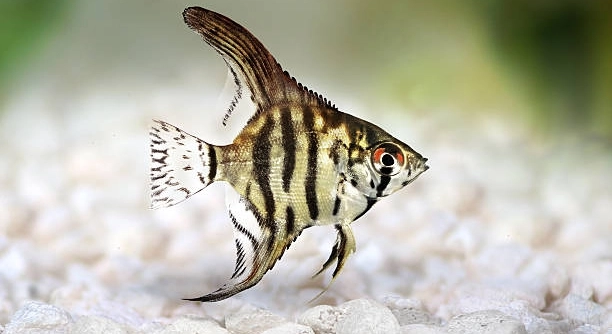
Are your angelfish not breeding successfully despite your best efforts to create the perfect tank environment? Breeding mistakes are common, but some can easily be avoided with the right guidance and awareness.
The most important way to ensure successful angelfish breeding is by avoiding specific environmental, behavioral, and health-related mistakes. These issues can interrupt breeding cycles, damage egg viability, and lead to long-term stress in your fish.
Recognizing these common missteps early can save time and prevent frustration. These tips will help you maintain a healthy tank and protect your angelfish during the breeding process.
Overcrowding the Breeding Tank
Overcrowding is one of the most common issues people face when breeding angelfish. When too many fish share the same space, it leads to stress, aggression, and a lack of successful spawning. Angelfish require enough room to establish territories and display natural breeding behavior. If the tank is overpopulated, dominant pairs might attack others or even eat their own eggs. A minimum of 20 gallons is ideal for one breeding pair, with extra space needed for additional fish. Providing plants or decorations can help reduce stress, but tank size remains the most critical factor in breeding success.
Keeping the tank lightly stocked will help your angelfish feel comfortable and secure during breeding. This allows them to focus on courtship and spawning without unnecessary stress or competition.
A peaceful environment increases the chance of your angelfish forming stable pairs. Less crowding also helps maintain good water quality, which is essential for both adult fish and developing fry. When space is limited, aggression rises quickly and causes injuries or interrupted spawning behavior. Even if your angelfish are healthy and ready to breed, the pressure of too many tankmates can delay or even prevent egg-laying. Avoiding this mistake early can make the entire process smoother and more productive.
Inconsistent Water Parameters
Angelfish are sensitive to changes in water quality, especially during breeding. If the pH, temperature, or hardness fluctuates, it can disrupt breeding behavior or harm the eggs before they hatch.
Consistency is key when it comes to creating the right breeding conditions. Aim to maintain a stable temperature around 78–80°F, a pH between 6.5 and 7.0, and soft to moderately hard water. Daily testing with reliable kits helps catch any subtle shifts early. Avoid overfeeding and overcrowding, as these can quickly pollute the water and lead to ammonia spikes. Regular partial water changes using dechlorinated, temperature-matched water will help keep things balanced. If you’re using a heater or filter, make sure they are functioning correctly and aren’t introducing unwanted changes. Breeding success depends heavily on a steady environment. Sudden shifts, even if minor, can cause angelfish to abandon their eggs or stop the breeding process entirely. Stable conditions promote healthy parent fish and strong, viable fry.
Feeding an Improper Diet
Feeding angelfish the wrong foods during breeding can affect their energy, health, and egg production. A poor diet weakens their immune system and leads to low-quality eggs that may not survive the incubation process.
To support breeding, offer a variety of high-protein foods like bloodworms, brine shrimp, and quality pellets. Avoid overfeeding, as it pollutes the water and adds stress. A proper feeding schedule includes two to three small meals daily. The nutrients from a balanced diet help females produce healthy eggs and improve the males’ fertilization success. Uneaten food should be removed quickly to maintain water quality. Supplementing with vitamin-rich options can boost overall health, especially in preparation for spawning. Consistency is important—sudden dietary changes can lead to digestive problems or refusal to eat. Keep portions small but nutrient-dense.
Feeding live or frozen foods is especially helpful for conditioning breeding pairs. These foods are closer to what angelfish would eat in the wild, triggering natural reproductive behaviors. Incorporating protein-rich snacks a few weeks before breeding can prepare them for spawning and egg care. Don’t forget to continue offering balanced meals after the eggs are laid, as parents need strength to guard and tend to their fry. A consistent feeding routine supports long-term health and better breeding outcomes.
Ignoring Aggressive Behavior
Aggression during breeding is common, but ignoring it can result in injuries, damaged eggs, or broken pair bonds. It often starts when other tankmates come too close or when pairs are mismatched and fail to bond properly.
Separate breeding pairs if aggression turns constant or violent. This helps reduce stress and allows the pair to focus on spawning and egg care. Use tank dividers if needed, especially when housing multiple pairs or other fish in the same aquarium. Providing plenty of hiding spaces and visual barriers, such as tall plants or decorations, can also help reduce conflict. Sometimes, aggression is part of the mating process, but it shouldn’t escalate to the point where one fish is hiding or showing physical damage. Pay attention to warning signs like fin-nipping, chasing, or guarding behavior near surfaces. Observing closely and adjusting the setup can prevent injury and improve breeding outcomes.
Neglecting Tank Cleanliness
Dirty tanks affect angelfish health and breeding success. Waste buildup leads to ammonia spikes, poor oxygen levels, and harmful bacteria. These issues can damage eggs and stress breeding pairs, stopping the process entirely or lowering fry survival.
Regular tank maintenance is essential. Perform partial water changes weekly and remove uneaten food quickly. Clean filters monthly without disrupting beneficial bacteria.
Using Bright or Unstable Lighting
Harsh or fluctuating lighting can make angelfish anxious, especially when they’re guarding eggs or fry. Stick to a consistent light cycle of 10–12 hours daily. Soft lighting helps reduce stress and supports natural breeding behaviors.
Handling Eggs Too Early
Touching or moving eggs too soon can cause them to die or invite fungus. Let the parents care for them for at least a few days before considering any changes.
FAQ
How can I tell if my angelfish are ready to breed?
You may notice your angelfish pairing off, cleaning a flat surface, or becoming more territorial. The female’s belly often appears rounder, and both fish may start displaying courtship behavior like nipping or locking lips. These are common signs they are preparing to spawn.
Do angelfish need a separate breeding tank?
It’s a good idea to set up a separate breeding tank. This helps reduce stress and avoids interference from other fish. A quiet space allows the pair to bond, lay eggs, and tend to their fry without outside threats. It also makes monitoring easier and improves survival rates.
What size tank is best for breeding angelfish?
A 20-gallon tank is the minimum recommended size for one breeding pair. Larger tanks allow more space for movement and reduce the chance of aggression. Make sure the tank has a sponge filter, stable heater, and plenty of surfaces for egg laying like slate or broad leaves.
How do I care for angelfish eggs?
After spawning, the eggs should remain in stable water with gentle filtration. Maintain the water temperature around 80°F and keep the tank clean. If the parents eat the eggs or abandon them, you can raise the eggs yourself using methylene blue and an air stone to prevent fungus.
Why do angelfish eat their eggs?
This is a common behavior, especially with new or stressed pairs. It can happen due to poor water quality, tank disturbance, or inexperience. Over time, many pairs stop this behavior as they become more comfortable and learn to guard their eggs properly without interference.
How long does it take for angelfish eggs to hatch?
Angelfish eggs usually hatch in 2 to 3 days, depending on the water temperature. Warmer water speeds up the process slightly. Once hatched, the fry remain attached to the spawning site for a few days before becoming free-swimming and ready to eat small foods.
What should I feed angelfish fry?
Start with freshly hatched baby brine shrimp or a liquid fry food designed for egg layers. Feed small amounts multiple times a day. Clean water is just as important as food at this stage, so siphon out waste and uneaten food daily without disturbing the fry too much.
Can angelfish breed in a community tank?
They can, but it’s risky. Other fish may stress the pair or eat the eggs and fry. If you leave them in a community setting, provide plenty of hiding spaces and be prepared to lose some eggs or fry. A breeding tank gives better control and better results.
Do angelfish form permanent breeding pairs?
They usually form a bond with one partner and may stay together long term, especially in a peaceful environment. However, if the pair becomes aggressive or stops breeding, they may separate. It’s possible to re-pair a fish with another mate if needed, though it may take time.
How often do angelfish lay eggs?
Healthy angelfish can spawn every 7 to 10 days under the right conditions. If their previous spawn was unsuccessful or the fry were removed, they may breed again even sooner. Providing a calm setting and balanced diet helps maintain a regular spawning cycle.
Final Thoughts
Breeding angelfish takes patience, attention, and a bit of practice. While they are not the hardest fish to breed, there are still many things that can go wrong if you are not careful. Small mistakes like sudden water changes, poor tank conditions, or even choosing the wrong breeding pair can affect the entire process. That’s why it’s important to understand what to avoid before you even begin. Giving your angelfish a stable and clean environment will support their natural behavior and improve their chances of successful spawning.
Some breeders may feel discouraged when eggs get eaten or fry do not survive. This is very common, especially with new pairs or inexperienced fishkeepers. In many cases, it just takes time for the angelfish to learn how to care for their eggs properly. If you continue to provide the right setup, most pairs will eventually figure it out. Try not to interfere too much, especially during the early stages. Observe their behavior and make small adjustments as needed. It helps to keep a simple routine and stay consistent with water quality, lighting, and feeding.
Raising angelfish from eggs to free-swimming fry can be a rewarding process. Watching their development step by step gives you a better understanding of how they behave and what they need. Even when things don’t go as planned, there is always something to learn from the experience. If you take the time to avoid common mistakes, you will see better results over time. Whether you are breeding for the first time or trying to improve your current setup, focusing on stability, cleanliness, and careful observation will go a long way.

Hello,
If you enjoy the content that we create, please consider saying a "Thank You!" by leaving a tip.
Every little bit helps us continue crafting quality advice that supports the health, happiness, and well-being of pets around the world, for pets of all shapes, sizes, and species.
We really appreciate the kindness and support that you show us!