
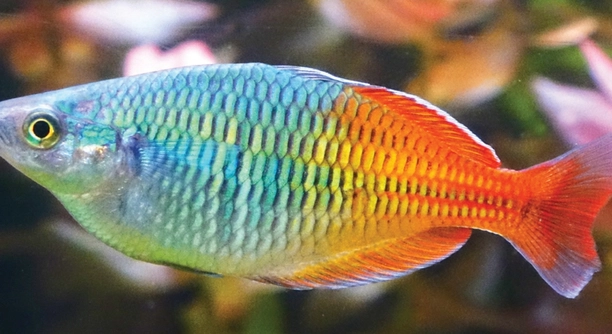
Setting up a rainbow fish tank is exciting, but knowing what not to put inside is just as important. Some items can negatively impact your tank’s health, making it crucial to avoid common mistakes.
Certain materials and objects should never be placed in a rainbow fish tank. Items like sharp decorations, untreated rocks, and aggressive tank mates can harm the fish or disrupt the tank’s delicate ecosystem.
Understanding these restrictions ensures your rainbow fish thrive in a safe, healthy environment.
Sharp Decorations and Unsafe Materials
Placing sharp decorations in a rainbow fish tank can easily injure your fish. These fish are active swimmers and may unintentionally brush against sharp objects, leading to cuts or stress. Materials like metal or untreated wood can also introduce harmful chemicals into the tank, causing problems with water quality.
It’s important to use decorations that are smooth and aquarium-safe. Opt for soft, non-toxic materials, ensuring that they won’t leach harmful substances into the water. If you’re unsure about an item, check whether it’s labeled as aquarium-safe before placing it inside.
Sharp or untreated materials may also disrupt the tank’s ecosystem by causing a change in pH levels or contaminating the water with unwanted chemicals. Be mindful of the decorations you choose and their impact on the health of your fish. Safe, non-toxic materials will create a much better environment for your rainbow fish to thrive.
Aggressive Tank Mates
When setting up a rainbow fish tank, avoid pairing them with overly aggressive fish. These fish are peaceful and can easily become stressed or even injured by more territorial species.
Rainbow fish do best with other calm, peaceful fish that won’t compete for space or resources. Species like tetras, rasboras, or smaller catfish are excellent choices, as they share similar water requirements and behavior. Avoid large predatory fish that may see your rainbow fish as a potential snack.
Aggressive tank mates can cause unnecessary stress and disrupt the harmony of your tank. This can lead to a decline in the health of your fish, as constant stress weakens their immune systems. Choosing peaceful companions ensures that your rainbow fish feel safe, and their natural behavior thrives in the tank.
Overfeeding Your Fish
Overfeeding is a common mistake in fishkeeping. It leads to excess waste in the tank, which can cause poor water quality. Leftover food decays, raising ammonia levels that can harm your rainbow fish. It’s better to feed smaller portions and monitor their appetite closely.
Rainbow fish only need to be fed once or twice a day. Provide them with only what they can consume in a few minutes to avoid leftover food. Overfeeding can also cause obesity, which can lead to health issues for your fish. The key is consistency and portion control.
Consider using a feeding schedule to track when and how much you feed your rainbow fish. Keeping the tank clean and maintaining proper water filtration is also essential in preventing waste buildup. This helps maintain a healthy environment where your fish can thrive without the risk of overfeeding.
Incompatible Water Conditions
Rainbow fish thrive in stable water conditions. Extreme fluctuations in temperature, pH, or hardness can stress the fish and even lead to illness. Ensure you test the water regularly and adjust it to meet their specific needs.
Rainbow fish prefer slightly acidic to neutral water, with a temperature range of 72-78°F. Regular water changes help maintain good water quality. Make sure the water parameters are stable to avoid shocking the fish, especially when adding new water or changing equipment.
A good filtration system helps maintain water quality, but it won’t eliminate the need for regular maintenance. Always check the water before making adjustments, as sudden changes can do more harm than good. Maintaining consistent water conditions will help keep your rainbow fish healthy and stress-free.
Adding Chemical Treatments
Chemical treatments, such as medications or water conditioners, should only be used when absolutely necessary. Overuse can harm your fish and disrupt the balance of the tank. Always follow the manufacturer’s instructions carefully.
Before adding any treatments, ensure you know what they target and how they will affect your tank’s ecosystem. If possible, use natural remedies that are safer for fish.
It’s essential to test your water parameters after using any chemicals to ensure they don’t cause an imbalance. Overuse can lead to long-term harm and stress for your rainbow fish.
Unfiltered Tap Water
Using unfiltered tap water can introduce chlorine, chloramine, and other harmful chemicals into your tank. These substances are toxic to fish, causing stress or even death. Always treat tap water before adding it to the tank.
Invest in a good water filter or use water conditioners to remove harmful chemicals. This ensures your fish are exposed to clean, safe water and prevents water quality issues from affecting their health.
Ensuring clean water helps prevent common problems like fin rot, fungal infections, and other diseases, keeping your rainbow fish healthy and vibrant.
FAQ
What should I avoid putting in a rainbow fish tank?
Rainbow fish require a specific environment to thrive, so it’s important to avoid sharp decorations, untreated materials, aggressive tank mates, overfeeding, and poor water quality. Sharp objects can cause physical damage to the fish, and untreated rocks or metals may introduce harmful chemicals. Avoid adding overly aggressive fish, as rainbow fish are peaceful and can easily become stressed. Additionally, overfeeding leads to waste buildup, which harms water quality and can stress your fish.
Can I use regular rocks in my rainbow fish tank?
Not all rocks are safe for an aquarium. Regular rocks, especially those collected from outside, can leach harmful minerals and chemicals into the water. Some rocks may alter the pH levels, which can be detrimental to your fish. It’s safer to use rocks specifically labeled as aquarium-safe.
How do I know if my rainbow fish are stressed?
Rainbow fish show signs of stress through abnormal behaviors, such as hiding, swimming erratically, or staying near the surface of the water. You may also notice their colors fading or dulling. Stress can be caused by poor water quality, overcrowding, or aggressive tank mates. Monitoring the behavior and environment of your fish can help prevent stress.
How often should I clean my rainbow fish tank?
It’s important to clean your tank regularly, but not too often. Perform partial water changes about once a week, removing up to 25% of the water. Clean the substrate and decorations monthly to prevent the buildup of waste and algae. Overcleaning can disrupt the biological filter and harm the tank’s ecosystem.
What is the ideal tank size for rainbow fish?
Rainbow fish are active swimmers and need plenty of space to thrive. A tank of at least 20 gallons is recommended for a small group of rainbow fish. Larger tanks are better if you plan to keep more fish or add tank mates. Providing enough space ensures a healthier and less stressful environment for the fish.
Can I keep other species with rainbow fish?
Rainbow fish are generally peaceful and do well with other calm fish species. Ideal tank mates include tetras, rasboras, and peaceful catfish. Avoid aggressive or territorial species, as they can stress or harm your rainbow fish. It’s important to research any potential tank mates before introducing them to ensure compatibility.
What do rainbow fish eat?
Rainbow fish are omnivores and will eat a variety of foods. A well-balanced diet for them includes high-quality flake or pellet food, along with live or frozen food like brine shrimp, bloodworms, and daphnia. You can also feed them some plant matter, such as blanched vegetables. Be sure to provide a varied diet to keep them healthy.
How can I tell if my rainbow fish are healthy?
Healthy rainbow fish have vibrant colors, clear eyes, and smooth, intact fins. They should swim actively and maintain a balanced posture. Watch for any signs of disease, such as white spots, fin rot, or lethargy. Regularly checking for health issues ensures early intervention if problems arise.
Do rainbow fish need a heater?
Yes, rainbow fish are tropical species that require warm water to thrive. The water temperature should be between 72°F and 78°F. If the room temperature fluctuates or is too cold, a heater will help maintain a stable environment for your fish.
Why is my rainbow fish losing color?
Loss of color in rainbow fish can indicate stress, poor water quality, or an illness. Stress can be caused by aggressive tank mates, overcrowding, or incorrect water parameters. If you notice color fading, check the water quality and remove any sources of stress. If the problem persists, consult an aquarium professional for advice.
How can I keep my rainbow fish tank clean?
Keeping your tank clean involves regular water changes, substrate vacuuming, and cleaning decorations. Use a high-quality filtration system to help maintain water clarity and remove excess waste. Ensure the filtration system is appropriate for the size of your tank, and always monitor the water quality to prevent issues.
Can I breed rainbow fish in my tank?
Breeding rainbow fish is possible, but it requires the right conditions. You’ll need a separate breeding tank with stable water conditions and appropriate food. Male rainbow fish often show more vibrant colors during breeding. Be prepared for fry care, as the young fish need specific attention to ensure survival.
Why are my rainbow fish hiding all the time?
Rainbow fish may hide if they’re stressed, uncomfortable, or not feeling well. Check for any potential stressors like aggressive tank mates, poor water quality, or overcrowding. Ensure that your tank has hiding spots like plants and rocks, as this can help your fish feel secure.
How do I prevent algae growth in my rainbow fish tank?
Algae growth can be controlled by maintaining proper water quality, limiting light exposure, and performing regular tank maintenance. Use a filter with a UV sterilizer to help control algae. Additionally, avoid overfeeding your fish, as excess food can contribute to algae growth. Regular water changes will help prevent algae buildup.
What temperature should my rainbow fish tank be?
Rainbow fish thrive in a temperature range of 72°F to 78°F. Ensure that the water stays within this range to maintain their health. Use a reliable aquarium heater to keep the temperature consistent, as drastic changes can cause stress and health problems.
Can rainbow fish live with bettas?
Rainbow fish and bettas are not the best tank mates. Betta fish can be aggressive, especially toward colorful fish like rainbow fish. They may nip at the fins of the rainbow fish or even chase them. It’s safer to avoid keeping bettas and rainbow fish together.
How long do rainbow fish live?
Rainbow fish typically live for 5 to 8 years with proper care. Their lifespan can vary depending on water quality, diet, and the environment they live in. Regular maintenance and attention to their needs will help ensure they live a long, healthy life.
What size tank do I need for a group of rainbow fish?
For a small group of rainbow fish, a 20-gallon tank is the minimum recommended size. However, larger tanks are preferable if you want to keep a bigger group or add other fish. A well-sized tank ensures that the fish have enough space to swim and thrive.
Final Thoughts
When setting up a rainbow fish tank, it’s essential to focus on creating a healthy, stable environment. Rainbow fish are active swimmers and peaceful creatures, so they require plenty of space and appropriate tank mates. Ensuring the water quality is optimal is key to maintaining their health. Regular water changes, proper filtration, and monitoring water parameters like pH, hardness, and temperature will help keep your fish thriving. Keeping the tank clean and clutter-free will also reduce the risk of stress or illness for your fish.
Choosing the right tank mates is another important factor in creating a balanced environment. Rainbow fish are peaceful and can live with many other species, but you should avoid aggressive or territorial fish. Selecting compatible tank mates will help prevent stress and allow all the fish to coexist peacefully. Be mindful of their behavior and adjust the tank setup if any issues arise. Providing plenty of plants and hiding spots in the tank also helps the fish feel secure, reducing stress and promoting a healthy ecosystem.
Maintaining a healthy, happy tank involves more than just water care. Feeding your rainbow fish a varied diet is essential for their well-being. You should provide them with both plant-based and protein-rich foods. A balanced diet will support their colors, growth, and overall health. Regularly check your fish for any signs of illness, such as color loss or unusual swimming patterns. Early detection of any health issues can help you address them before they become serious problems. With consistent care, your rainbow fish will remain a vibrant and peaceful addition to your tank.

Hello,
If you enjoy the content that we create, please consider saying a "Thank You!" by leaving a tip.
Every little bit helps us continue crafting quality advice that supports the health, happiness, and well-being of pets around the world, for pets of all shapes, sizes, and species.
We really appreciate the kindness and support that you show us!