
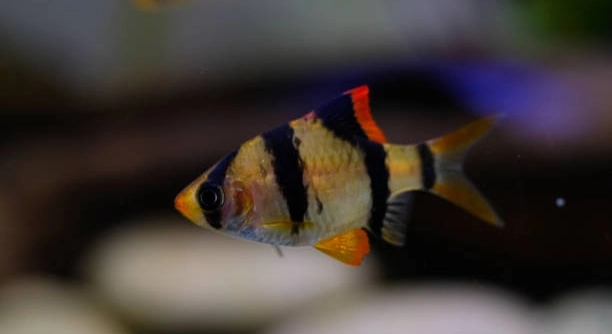
Keeping a Tiger Barb tank healthy requires careful attention to its environment and the fish’s needs. Many hobbyists enjoy their lively behavior but may overlook important factors that affect their wellbeing. Proper care helps prevent common problems in these tanks.
Avoiding overcrowding, poor water quality, incorrect diet, and incompatible tank mates are critical to maintaining a stable Tiger Barb habitat. Neglecting these aspects can lead to stress, illness, and aggressive behavior in the fish, compromising their overall health and longevity.
Recognizing these pitfalls will improve your tank management and ensure a happier environment for your Tiger Barbs. The following points will help guide you toward better care and a thriving aquarium.
Overcrowding the Tank
Overcrowding is a common issue in Tiger Barb tanks that can cause stress and aggression among the fish. Tiger Barbs are active swimmers and need enough space to move freely. When the tank is too crowded, they may become territorial or nip at each other’s fins. This behavior not only causes injuries but also weakens their immune systems, making them more vulnerable to disease. A good rule is to allow at least two gallons of water per Tiger Barb. This space helps maintain better water quality since more fish produce more waste. Proper filtration and regular water changes are also important in crowded tanks to prevent harmful toxins from building up. Monitoring the fish’s behavior can alert you if there is overcrowding, as they will often act restless or hide. Keeping a balanced number of fish promotes a peaceful environment and healthier fish overall.
Overcrowding reduces oxygen levels and increases waste, making water harder to maintain.
Limiting the number of Tiger Barbs in your aquarium and ensuring proper filtration will improve fish health. Less crowding allows the fish to swim freely and reduces stress. A tank that is not overcrowded makes it easier to keep water clean and stable, which supports the fish’s immune systems. You will notice calmer fish and fewer injuries from fighting, which contributes to a more enjoyable aquarium experience.
Poor Water Quality
Poor water quality quickly affects Tiger Barbs because they are sensitive to changes in their environment. High levels of ammonia, nitrites, or nitrates from waste buildup can cause serious health problems. Without regular water testing and maintenance, these harmful substances accumulate. It is essential to perform weekly water changes, usually around 25-30%, to keep the tank clean and balanced. Using a reliable filter designed for the tank size helps remove debris and harmful chemicals. Temperature also plays a role; Tiger Barbs prefer water between 74°F and 79°F, and sudden shifts can cause stress. Monitoring pH levels, which should stay between 6.5 and 7.5, is equally important. Testing kits make it easier to track water quality and address any issues before they harm the fish. Healthy water keeps Tiger Barbs active, colorful, and disease-resistant.
Regular water changes prevent toxic buildup that harms Tiger Barbs.
Maintaining clean water with proper filtration and regular testing creates a stable environment. This care reduces stress and disease risk, keeping the fish vibrant and healthy. Consistent water quality management is key to long-term success with Tiger Barb tanks.
Incompatible Tank Mates
Choosing the wrong tank mates can lead to constant fighting and stress for Tiger Barbs. Aggressive or very passive fish do not mix well with their active nature.
Tiger Barbs are known for being fin-nippers, so tank mates should be fast and able to handle their energy. Slow-moving or long-finned fish often become targets. Good companions include other active, medium-sized fish that can hold their own without provoking aggression. Avoid small, timid species that will be bullied or stressed by the Tiger Barbs’ behavior. Mixing species with different water needs can also cause problems, so it is important to match compatibility in terms of temperature and pH requirements. Proper selection helps maintain peace and reduces injuries in the tank.
Introducing incompatible fish can cause fights and injuries, making the environment stressful. It’s best to research species behavior and needs before adding them to a Tiger Barb tank. A balanced community tank keeps all fish healthy and reduces aggression issues.
Incorrect Diet
Feeding Tiger Barbs an unbalanced diet affects their growth and health. They need variety to meet their nutritional needs.
A diet consisting only of flakes or pellets is not enough. Tiger Barbs benefit from a mix of high-quality flakes, pellets, frozen or live foods like bloodworms and brine shrimp. This variety provides essential proteins, fats, and vitamins needed for energy and color vibrancy. Overfeeding should be avoided, as it leads to poor water quality and obesity. Feeding small amounts 2-3 times daily is ideal. Also, offering some plant matter helps mimic their natural omnivorous diet. Paying attention to diet quality supports strong immune systems and active behavior.
A poor diet causes weakened fish and dull colors. Providing varied, balanced food promotes better health and a longer life for Tiger Barbs. Consistent feeding habits make a significant difference in tank maintenance.
Neglecting Tank Maintenance
Regular tank maintenance is essential for keeping Tiger Barbs healthy. Ignoring cleaning and water changes leads to harmful conditions quickly.
Neglecting tasks like gravel vacuuming and filter cleaning causes waste buildup. This creates a toxic environment that stresses fish and encourages disease. Consistent care keeps water clear and safe.
Using Sharp Decorations
Sharp or rough decorations can injure Tiger Barbs. Their active swimming and fin-nipping behavior increase risk of cuts.
Avoid decorations with sharp edges or rough surfaces. Smooth rocks, plants, and driftwood create safer spaces. Safe decorations reduce stress and prevent infections from injuries.
Inadequate Tank Size
A tank that is too small limits the natural activity of Tiger Barbs. Crowded conditions cause stress and aggression.
A minimum 20-gallon tank is recommended for a small group. Providing enough space promotes healthier and happier fish with room to swim freely.
FAQ
What is the ideal number of Tiger Barbs for a tank?
Tiger Barbs are social fish and do best in groups of at least six. Smaller groups can lead to increased aggression as they may target each other more often. Keeping them in a group reduces stress and balances their behavior. Make sure your tank size can comfortably support the number of fish you keep to avoid overcrowding.
How often should I change the water in a Tiger Barb tank?
A weekly water change of about 25-30% is recommended. This helps remove toxins like ammonia and nitrates that build up from fish waste and leftover food. Regular water changes keep the environment stable and reduce stress, which is key for maintaining healthy Tiger Barbs.
What temperature is best for Tiger Barbs?
Tiger Barbs thrive in water temperatures between 74°F and 79°F (23°C to 26°C). Maintaining a consistent temperature within this range helps avoid stress. Sudden changes can weaken their immune system and lead to illness.
Can Tiger Barbs live with other fish species?
Yes, but it depends on the species. Choose tank mates that are active and can tolerate the Tiger Barbs’ nippy behavior. Avoid slow or long-finned fish, as they are likely to be harassed. Medium-sized, fast-swimming fish with similar water needs make the best companions.
What should I feed Tiger Barbs?
A varied diet is best, including high-quality flakes or pellets supplemented with live or frozen foods like bloodworms, brine shrimp, and daphnia. Including some plant matter is beneficial since they are omnivores. Feed small amounts 2-3 times daily to prevent overfeeding and maintain water quality.
Why are my Tiger Barbs nipping each other?
Nipping often happens due to overcrowding, boredom, or lack of hiding places. Keeping them in larger groups helps reduce this behavior. Providing plenty of plants and decorations offers hiding spots and distractions, which lowers aggression.
How can I tell if water quality is poor?
Signs include cloudy water, algae overgrowth, fish gasping at the surface, or sudden fish deaths. Testing water regularly for ammonia, nitrites, and nitrates with a kit will give precise information. Poor water quality is the most common cause of fish stress and disease.
Do Tiger Barbs need a special filter?
A filter that provides good mechanical and biological filtration is important. Choose one appropriate for your tank size to keep water clear and free of toxins. A filter that creates moderate water flow suits Tiger Barbs, as they prefer some current but not too strong.
How much space do Tiger Barbs need?
At least two gallons of water per fish is recommended. A minimum 20-gallon tank works well for a small group of six. More space helps reduce aggression and keeps the fish healthier.
What are common health issues in Tiger Barbs?
Stress from poor water quality or overcrowding can lead to fin rot, ich, and fungal infections. These diseases cause discoloration, torn fins, or white spots. Early detection and proper care can prevent these problems from worsening.
Can Tiger Barbs live alone?
They are schooling fish and should not be kept alone. Isolated Tiger Barbs tend to become stressed and display aggressive or shy behavior. Keeping them in groups helps maintain their natural social behaviors and reduces stress.
How do I prevent aggression in my Tiger Barb tank?
Provide enough space, keep at least six fish together, and offer hiding spots with plants and decorations. Avoid mixing incompatible species and maintain good water quality. Balanced conditions reduce fighting and promote peaceful interactions.
Is it necessary to quarantine new fish?
Yes, quarantining new fish for at least two weeks helps prevent the introduction of diseases. This practice protects your existing Tiger Barbs and helps maintain a healthy tank environment.
How do I set up a Tiger Barb tank for best results?
Use a tank of at least 20 gallons with good filtration and regular water changes. Decorate with smooth rocks, driftwood, and plants to provide hiding places. Keep water temperature stable between 74°F and 79°F, and maintain proper pH levels around 6.5 to 7.5.
What signs show my Tiger Barbs are stressed?
Look for erratic swimming, hiding, loss of color, or refusal to eat. Stress often results from poor water conditions, overcrowding, or aggression. Identifying and addressing these causes early helps keep fish healthy.
How long do Tiger Barbs live?
With proper care, Tiger Barbs typically live 5 to 7 years. Good water quality, a balanced diet, and a peaceful tank environment contribute to their longevity. Neglecting these needs shortens their lifespan.
Caring for Tiger Barbs requires attention to several important factors to keep them healthy and happy. Avoiding overcrowding is key, as too many fish in one tank causes stress and aggressive behavior. Each fish needs enough space to swim freely and establish its place within the group. Maintaining good water quality is just as important. Regular water changes and proper filtration remove harmful toxins and create a stable environment that supports the fish’s immune system. Poor water quality quickly leads to illness, so keeping the water clean is one of the best ways to prevent problems.
Choosing suitable tank mates also plays a big role in the overall health of the tank. Tiger Barbs are active and sometimes nippy, so they need companions that can handle their energy without becoming targets. Slow-moving or long-finned fish often suffer injuries in mixed tanks. It’s best to select species with similar activity levels and water requirements. In addition, providing a balanced and varied diet supports their growth and vibrant colors. Feeding them only flakes or pellets is not enough; live or frozen foods add essential nutrients. Overfeeding should be avoided to keep the water clean and the fish healthy.
Consistent care, including tank maintenance and monitoring fish behavior, is essential to prevent common issues. Decorations and tank size should suit Tiger Barbs’ needs to reduce stress and injury risks. Quarantining new fish helps protect your current population from disease. Paying attention to these details creates a peaceful environment where the fish can thrive. Overall, understanding and avoiding the common mistakes in Tiger Barb care leads to a more rewarding experience and healthier, happier fish.

Hello,
If you enjoy the content that we create, please consider saying a "Thank You!" by leaving a tip.
Every little bit helps us continue crafting quality advice that supports the health, happiness, and well-being of pets around the world, for pets of all shapes, sizes, and species.
We really appreciate the kindness and support that you show us!