
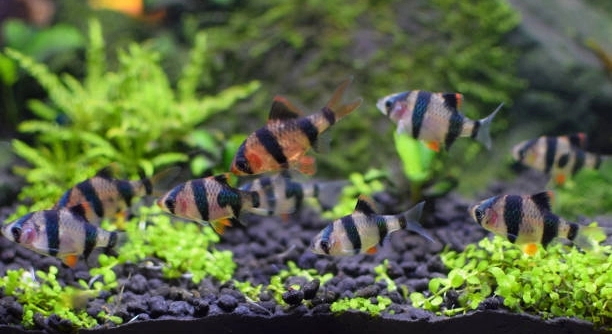
Keeping a tiger barb tank healthy requires attention to many details. These lively fish need a stable environment to thrive. Small mistakes can quickly cause stress or illness in the tank community.
Avoiding overcrowding, poor water quality, and aggressive tank mates is essential for tiger barb care. Additionally, improper diet, incorrect tank setup, and lack of hiding spots can negatively affect their health and behavior.
Knowing what to avoid can make caring for tiger barbs easier and more rewarding. This article explains the most common pitfalls to help keep your tank balanced and your fish happy.
Overcrowding the Tank
Keeping too many tiger barbs in a small tank is a common mistake. These fish are active swimmers and need enough space to move freely. Overcrowding can cause stress, which weakens their immune system and leads to illness. When too many fish share limited space, waste builds up faster, making it harder to maintain good water quality. It’s important to follow stocking guidelines and avoid adding more fish than your tank can handle. For tiger barbs, a general rule is one inch of fish per gallon of water. This helps create a balanced environment where each fish has room to swim and establish its place. Proper spacing reduces aggression and improves overall health. Remember that tank size affects how many fish you can keep comfortably.
Avoiding overcrowding means less stress and fewer health problems for your tiger barbs.
Creating a spacious environment takes planning, but it keeps your fish active and thriving. Your tank will be easier to maintain, and the water quality stays stable. Overcrowding often leads to fights, so giving your tiger barbs enough room reduces aggression. A well-planned tank layout with proper filtration also helps keep water clean and fish healthy. Take time to research how many tiger barbs your tank size can support before adding them. This step ensures your fish live longer and happier lives.
Aggressive Tank Mates
Choosing the wrong tank mates can cause problems for tiger barbs. They are known to be semi-aggressive and may nip at slow or long-finned fish. It is best to keep them with species that can handle their energetic nature. Avoid pairing tiger barbs with small, delicate, or shy fish that could become stressed or injured. Instead, look for active and robust fish that coexist peacefully. This helps maintain harmony in your aquarium and reduces stress for all fish.
Tiger barbs do best with fast swimmers and similarly sized species that tolerate their behavior.
When selecting tank mates, consider their temperament and swimming habits. Fish that move quickly and have sturdy fins usually do well with tiger barbs. Species like danios, barbs, and larger tetras can be good companions. Avoid slow-moving fish such as bettas or fancy goldfish, which are likely to be harassed. Providing plenty of hiding spots also helps reduce conflict by giving fish places to retreat. A balanced community tank keeps everyone healthier and happier. Taking care with tank mates ensures your tiger barbs remain active and avoid unnecessary stress.
Poor Water Quality
Maintaining clean water is crucial for tiger barbs. Dirty water can quickly cause stress and disease. Regular water changes and proper filtration help keep the tank healthy.
Testing water parameters like ammonia, nitrites, and nitrates is important. Ammonia and nitrites should be at zero because they are toxic to fish. Nitrates should be kept below 20 ppm to avoid stress. Using a good filter helps remove waste and keeps the water clear. Changing 20-30% of the water weekly helps maintain stable conditions. Avoid overfeeding, as leftover food decomposes and pollutes the water. Clean gravel or substrate also prevents buildup of harmful substances. Proper water care keeps tiger barbs healthy and active.
Neglecting water quality can lead to illnesses like fin rot or swim bladder problems. Keeping water clean reduces stress and supports the immune system. Clean water helps fish breathe better and stay energetic. Regular monitoring and maintenance prevent sudden changes that harm fish. A stable, well-filtered environment promotes long life and bright colors. Taking water quality seriously is one of the best ways to care for tiger barbs.
Inadequate Diet
Feeding tiger barbs a poor diet leads to weak health and dull colors. They need a balanced diet to stay strong and active. Avoid feeding only flakes or one type of food.
Tiger barbs benefit from a variety of foods including high-quality flakes, pellets, and live or frozen options like bloodworms or brine shrimp. Variety ensures they get all necessary nutrients. Protein is important for growth and energy, but vegetables and plant matter help digestion. Overfeeding can pollute the tank, so feed small amounts 2-3 times daily. Remove uneaten food quickly to avoid water problems. A well-rounded diet supports their immune system and enhances their natural colors, making them more vibrant. Feeding properly improves behavior and reduces aggression caused by hunger.
Ignoring dietary needs can cause slow growth, health issues, and faded colors. Balanced nutrition keeps tiger barbs lively and less prone to disease. Proper feeding supports reproduction and long-term health. Taking time to offer varied foods strengthens their immune response. A thoughtful feeding routine enhances the overall tank environment.
Lack of Hiding Spots
Tiger barbs need places to hide to feel safe. Without enough cover, they can become stressed and more aggressive.
Plants, rocks, and decorations create natural hiding spaces. These also break sight lines, reducing fights between fish.
Improper Tank Setup
The tank should have plenty of swimming space with plants and decorations for shelter. A sandy or fine gravel substrate works best, as tiger barbs like to forage near the bottom. Strong filtration is necessary to keep water clean and oxygenated. Avoid sharp decorations that could injure the fish. Proper lighting helps plants grow but should not be too bright to cause stress. Regular tank maintenance, including water changes and cleaning, supports a stable environment. Keeping the setup balanced helps tiger barbs thrive both physically and behaviorally.
Overfeeding
Overfeeding can quickly pollute the tank water, causing poor water quality. Feed small amounts to avoid leftover food.
How many tiger barbs should I keep in one tank?
Tiger barbs are active swimmers that need space to move freely. A good rule of thumb is to keep about one inch of fish per gallon of water. For example, if you have a 20-gallon tank, you can keep around 15 to 20 tiger barbs. This number helps reduce aggression since tiger barbs feel more comfortable in groups. However, avoid overcrowding, which stresses the fish and worsens water quality. Keeping an appropriate number ensures a balanced environment where each fish can thrive.
What tank mates work best with tiger barbs?
Tiger barbs are semi-aggressive and may nip at slow-moving or long-finned fish. Suitable tank mates include other fast, active species like danios, barbs, and some tetras. Avoid slow or delicate fish such as bettas, guppies, or fancy goldfish, which can become targets. Providing hiding places and plants helps reduce conflict by offering fish spots to retreat. Choosing compatible tank mates keeps the community peaceful and minimizes stress for your tiger barbs.
How often should I change the water in a tiger barb tank?
Performing regular water changes is essential to keep water parameters stable. Aim for a 20-30% water change every week. This helps remove toxins like nitrates and refreshes the tank with clean water. Weekly changes prevent the buildup of waste and reduce the risk of diseases. Use a water conditioner to treat tap water before adding it to the tank. Consistent water changes maintain a healthy environment for your tiger barbs.
What is the best diet for tiger barbs?
Tiger barbs thrive on a varied diet that includes high-quality flakes or pellets supplemented with live or frozen foods like bloodworms, brine shrimp, or daphnia. Protein-rich foods support their energy and growth, while occasional vegetable matter helps with digestion. Feed small amounts 2-3 times daily, avoiding overfeeding to prevent water pollution. A balanced diet enhances their color, health, and behavior.
Why do tiger barbs nip at other fish?
Nipping is a natural behavior for tiger barbs, often caused by their semi-aggressive nature. It can increase if the tank is overcrowded or if there are not enough hiding spots. Stress, boredom, or lack of proper diet can also worsen this behavior. Keeping them in groups of at least six and providing adequate space and shelter helps reduce aggression. Selecting compatible tank mates also minimizes nipping.
How do I test and maintain water quality?
Use aquarium test kits to regularly check ammonia, nitrites, nitrates, and pH levels. Ammonia and nitrites should be at zero, while nitrates should stay below 20 ppm. Maintain pH around 6.5 to 7.5 for tiger barbs. Good filtration and weekly water changes keep these levels stable. Avoid overfeeding and remove uneaten food promptly. Monitoring water quality prevents health problems and supports fish well-being.
Can tiger barbs live in a planted tank?
Yes, tiger barbs do well in planted tanks. Live plants provide hiding spots and help improve water quality by absorbing nitrates. Choose hardy plants like Java fern, Anubias, or Vallisneria that can tolerate active fish. Plants also create a natural environment that reduces stress and aggression. Be sure to balance planting density so tiger barbs have enough swimming space.
What are signs of stress or illness in tiger barbs?
Common signs include faded colors, erratic swimming, loss of appetite, clamped fins, or hiding more than usual. White spots or damaged fins may indicate infections. Stress can come from poor water quality, aggressive tank mates, or overcrowding. Early detection and action like water changes or adjusting tank conditions help prevent serious illness. Healthy tiger barbs are active, eat well, and show vibrant colors.
How long do tiger barbs typically live?
With proper care, tiger barbs can live between 5 to 7 years. Factors that affect lifespan include water quality, diet, tank conditions, and stress levels. Providing a stable environment with good water parameters and a balanced diet increases their chances of living a full life. Regular tank maintenance and avoiding common mistakes help your fish reach their natural lifespan.
Is it necessary to quarantine new fish before adding them to a tiger barb tank?
Quarantining new fish for at least two weeks is highly recommended. This practice helps prevent introducing diseases or parasites into your main tank. It allows you to observe the new fish for any signs of illness and treat them if needed. Quarantine also reduces stress on your current fish by avoiding sudden changes to the tank environment. Taking this step protects the health of your entire aquarium community.
Taking care of tiger barbs can be a rewarding experience when done correctly. These fish are lively and fun to watch, but they need the right conditions to stay healthy and happy. Avoiding common mistakes such as overcrowding, poor water quality, and choosing incompatible tank mates makes a big difference. Providing enough space and proper care helps tiger barbs show their natural behavior and bright colors. Setting up the tank well and maintaining it regularly keeps the fish active and less stressed.
Paying attention to diet is another important part of tiger barb care. Feeding a varied diet with quality flakes, pellets, and occasional live or frozen foods supports their health and growth. Overfeeding can pollute the water and cause health problems, so giving the right amount at regular times is best. Including hiding places and decorations in the tank also helps reduce aggression and gives the fish spots to rest. These small efforts create a balanced environment that benefits all the fish in the tank.
It is important to monitor water quality often, checking levels of ammonia, nitrites, nitrates, and pH. Clean water supports the fish’s immune system and overall well-being. Regular water changes and proper filtration help keep the tank environment stable and safe. When tiger barbs live in good conditions with a proper diet and enough space, they tend to be more peaceful and live longer. Taking these simple steps makes caring for tiger barbs easier and more enjoyable. With careful attention and routine maintenance, your tiger barbs can thrive in their home for many years.

Hello,
If you enjoy the content that we create, please consider saying a "Thank You!" by leaving a tip.
Every little bit helps us continue crafting quality advice that supports the health, happiness, and well-being of pets around the world, for pets of all shapes, sizes, and species.
We really appreciate the kindness and support that you show us!