
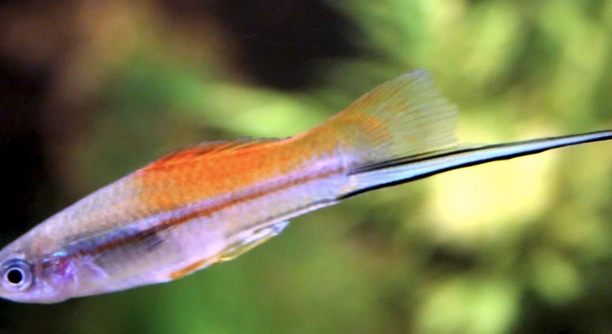
Swordtails are beautiful and lively fish that make great additions to home aquariums. However, creating the ideal environment for them requires careful consideration. There are certain things you should avoid to keep your swordtail tank thriving.
In a swordtail tank, avoid overcrowding, poor water quality, incompatible tank mates, harsh decorations, fluctuating temperatures, incorrect tank size, and overfeeding. Each of these factors can negatively impact the health and well-being of your fish.
Learning how to maintain a healthy and balanced environment is key to ensuring your swordtails live long and happy lives. With the right care, they can thrive in a peaceful, beautiful tank.
Overcrowding the Tank
Overcrowding is one of the most common mistakes when setting up a swordtail tank. These fish are active and need ample space to swim and thrive. If the tank is too small or too many fish are added, swordtails can become stressed, leading to weakened immune systems and poor health. As a general rule, each swordtail should have at least 10 gallons of water for every two to three fish.
A cramped environment increases the chances of aggression between fish and can cause health problems, like disease outbreaks. Fish are more likely to injure each other in tight spaces, and this can result in open wounds and infections.
Avoid overcrowding by keeping the tank at an appropriate size for the number of swordtails. If you have other fish in the tank, make sure there is enough space for them as well. Proper tank maintenance and a suitable number of fish will ensure that your swordtails remain happy and healthy for a long time.
Poor Water Quality
Water quality is crucial for swordtails. Regular testing and maintenance are necessary to ensure proper conditions. Swordtails are sensitive to ammonia, nitrite, and nitrate levels, which can harm them if left unchecked.
Keeping the water clean involves regular water changes, proper filtration, and monitoring water parameters like pH and hardness. Swordtails thrive in water with a pH between 7.0 and 8.4. Properly maintained water conditions can prevent illnesses and stress.
Investing in a reliable filtration system and doing weekly water changes will significantly improve your swordtail’s well-being. The cleaner and more stable the water, the happier and healthier your swordtails will be.
Incompatible Tank Mates
Swordtails are peaceful but can become stressed with overly aggressive or territorial tank mates. Avoid housing them with fish that are known to be aggressive, such as cichlids or bettas. These fish can harass swordtails and cause injury.
Choosing compatible fish, like other peaceful community species such as tetras or guppies, will reduce stress and prevent fighting. It’s important to consider the size and behavior of potential tank mates, ensuring they won’t bully or overpower your swordtails.
If your tank contains both males and females, keep an eye on mating behavior. Male swordtails can sometimes become overly persistent, stressing out females. Providing hiding spaces and plants will give the females a chance to escape if needed, creating a more peaceful environment for all.
Harsh Decorations
Harsh or sharp decorations in a swordtail tank can cause serious injury. Swordtails are active swimmers, and if the tank is filled with rough or pointed objects, they can scrape or cut themselves. This leads to infections or injury that could harm their health.
Avoid using decorations with sharp edges. Instead, opt for smooth rocks, plastic plants, and driftwood to create a safe, aesthetically pleasing environment. Ensure that any decorations placed in the tank do not obstruct swimming spaces or cause your swordtails to feel trapped.
Choosing gentle, rounded decorations not only improves the tank’s appearance but also provides a safer space for your fish. Keeping the tank simple with fewer, softer items will reduce the chances of injury and allow your swordtails to swim freely.
Fluctuating Temperatures
Swordtails prefer stable water temperatures. Sudden drops or increases can cause stress and health issues. Maintaining a consistent temperature between 72°F and 78°F is essential for their well-being. Use a reliable heater and thermometer to keep the tank’s temperature within this range.
Temperature fluctuations can weaken your swordtails’ immune systems, making them more susceptible to diseases. Stress from temperature changes can also lead to aggression and poor eating habits. It’s crucial to maintain a consistent environment, especially if you live in an area where room temperature changes frequently.
Investing in a good aquarium heater and checking temperatures regularly can prevent problems caused by unstable conditions. This ensures a more comfortable environment for your swordtails, reducing stress and promoting better health.
Incorrect Tank Size
Choosing the right tank size is vital for swordtail health. A 10-gallon tank is a minimum size for a small group of swordtails. Larger tanks give fish more space to swim and feel comfortable.
The right tank size helps prevent overcrowding, which leads to poor water quality and stress. Larger tanks are easier to maintain, allowing for better filtration and stable water conditions. Swordtails thrive in spacious environments where they can swim freely and enjoy their surroundings.
The more room you give your swordtails, the healthier they’ll be. A larger tank reduces the risk of aggression, ensures better water quality, and keeps your fish content.
Overfeeding
Overfeeding is a common mistake with swordtails. When fish are fed too much, it can lead to water contamination and obesity. It’s important to feed your swordtails small amounts of food, two to three times a day, and remove any uneaten food.
Overfeeding can cause your swordtails to become sluggish and prone to diseases like fatty liver. Excess food decays in the tank, polluting the water and harming the fish. Always monitor how much your fish are eating and adjust their meals accordingly.
To maintain healthy swordtails, it’s essential to control portion sizes. Feeding your fish the right amount at regular intervals will keep their tank clean and their bodies in optimal condition.
FAQ
How often should I change the water in my swordtail tank?
Water changes are crucial for maintaining a healthy environment for swordtails. Ideally, you should change 20-30% of the tank water every week. This prevents the buildup of harmful substances like ammonia, nitrites, and nitrates. If you have a smaller tank or a heavily stocked tank, you may need to do more frequent water changes. Always use a water conditioner to remove chlorine or chloramine from tap water before adding it to the tank.
What should I feed my swordtails?
Swordtails are omnivores, so they need a balanced diet. You can feed them a mix of high-quality flake food, pellets, and frozen or live foods like brine shrimp, daphnia, and bloodworms. Aim for two to three small feedings per day. Avoid overfeeding, as this can lead to poor water quality and obesity. It’s important to give them a variety of foods to meet their nutritional needs. Keep in mind that swordtails are bottom feeders as well, so they’ll appreciate food that sinks to the bottom.
What is the best tank size for swordtails?
Swordtails need a minimum of 10 gallons of water for a small group. However, a 20-gallon tank or larger is better for a healthy and thriving community. A larger tank not only provides more space for swimming but also helps to maintain stable water parameters. The more space you offer your swordtails, the less likely they are to experience stress or aggression. Also, a larger tank allows for a better filtration system, making it easier to maintain water quality.
Can swordtails live with other fish?
Yes, swordtails are peaceful and can live with other community fish. Good tank mates for swordtails include guppies, tetras, mollies, and other non-aggressive species. Avoid keeping them with aggressive fish like bettas or cichlids, as these can cause stress and even harm. If you keep both male and female swordtails together, watch out for excessive mating behavior. Male swordtails can become very persistent, which might stress out the females. To reduce this, provide plenty of plants and hiding spots for the females.
What temperature should my swordtail tank be?
Swordtails prefer water temperatures between 72°F and 78°F (22°C to 26°C). It’s important to maintain a stable temperature in this range. Temperature fluctuations can stress out the fish and make them more vulnerable to diseases. A reliable aquarium heater can help you maintain the desired temperature, and a thermometer will allow you to monitor it regularly. Avoid placing the tank near heat sources or in areas where the temperature fluctuates, like near windows or air conditioning vents.
How can I prevent swordtail diseases?
Preventing disease in swordtails starts with maintaining a clean tank and stable water conditions. Regular water changes, proper filtration, and testing water parameters will help keep harmful bacteria and parasites at bay. Quarantine any new fish for at least two weeks before adding them to your tank to ensure they’re disease-free. Also, avoid overcrowding and overfeeding, as these factors can weaken the fish’s immune system and make them more susceptible to illness. Keeping your swordtails in a stress-free environment and providing a balanced diet will also strengthen their immune systems.
How do I tell if my swordtail is sick?
Sick swordtails may show signs such as loss of appetite, unusual swimming behavior (like staying at the surface or hiding), faded colors, or visible spots or lesions on their body. They may also have clamped fins or a bloated abdomen. If you notice any of these signs, it’s important to isolate the sick fish in a quarantine tank to prevent the spread of disease. You can also try adjusting water parameters to see if that improves the fish’s condition. If symptoms persist, consulting an aquarium vet or expert may be necessary.
What kind of filtration do swordtails need?
Swordtails need good filtration to keep the water clean and healthy. A filter that provides both mechanical and biological filtration is ideal. A sponge filter or an under-gravel filter works well for smaller tanks, while a hang-on-back filter or canister filter is better for larger setups. Make sure the filter doesn’t create too strong of a current, as swordtails prefer calm waters. Regular cleaning of the filter and checking its efficiency will help keep your tank in good condition and your swordtails healthy.
How can I tell if my swordtail is pregnant?
Female swordtails are livebearers, which means they give birth to live young. If your female swordtail is pregnant, she will have a noticeable rounded belly. You may also see dark spots near the back of her abdomen, which are the developing babies. Pregnancy typically lasts between 4-6 weeks. During this time, it’s important to provide plenty of plants and hiding spots in the tank to help the female feel safe and reduce stress. If you’re concerned about the birth, you can move the female to a separate breeding tank to protect the fry.
How do I breed swordtails?
Breeding swordtails is relatively easy. To encourage breeding, maintain a ratio of two females for every male to reduce stress on the females. Swordtails are livebearers, so once the male fertilizes the female, she will give birth to live fry. Make sure the tank has plenty of plants or hiding spots where the fry can hide from other fish. After the birth, you may want to move the adults to a separate tank to prevent them from eating the young. Feeding the fry finely crushed flake food or baby brine shrimp will ensure they grow healthy.
Final Thoughts
Caring for swordtails can be a rewarding experience, but it requires attention to detail and consistency. By avoiding overcrowding, maintaining proper water quality, and ensuring a compatible environment for your fish, you can create a healthy and thriving tank. Swordtails are relatively easy to care for, but like all fish, they need the right conditions to flourish. Keeping their tank clean, offering a balanced diet, and regularly monitoring water parameters will help them stay in good health.
One of the most important aspects of swordtail care is maintaining stable water conditions. Swordtails are sensitive to water temperature and quality, so using a good filtration system and performing regular water changes is essential. This helps prevent the buildup of harmful substances and reduces the risk of disease. You should also make sure to feed your swordtails the right amount of food. Overfeeding is a common issue that leads to poor water quality and health problems. Stick to feeding them small amounts a few times a day, removing any uneaten food promptly.
Finally, creating a stress-free environment for your swordtails is key to their overall well-being. This includes selecting appropriate tank mates and ensuring there are plenty of hiding spots and plants for them to feel secure. Swordtails are peaceful fish but can become stressed if they’re housed with aggressive or incompatible species. By offering them space, a stable environment, and a balanced diet, you’ll help ensure that your swordtails live long, healthy lives. Keeping these factors in mind will go a long way in maintaining a happy and vibrant swordtail tank.

Hello,
If you enjoy the content that we create, please consider saying a "Thank You!" by leaving a tip.
Every little bit helps us continue crafting quality advice that supports the health, happiness, and well-being of pets around the world, for pets of all shapes, sizes, and species.
We really appreciate the kindness and support that you show us!