
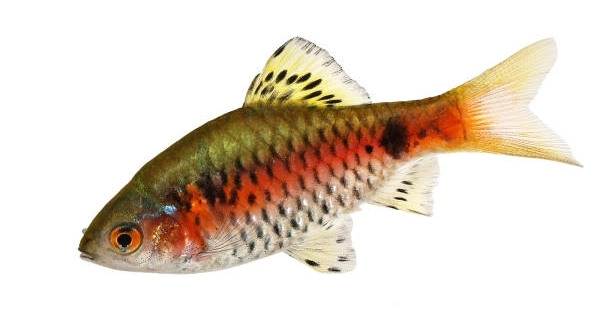
Have you ever set up a tank for Rosy Barbs but noticed things weren’t going as smoothly as expected? Small details can make a big difference in their comfort and health, especially in a shared aquarium environment.
Rosy Barbs thrive best in environments that mimic their natural habitat, and certain conditions can lead to stress or illness if ignored. Avoiding overcrowding, poor filtration, aggressive tankmates, and improper diet is essential for maintaining their well-being.
Knowing what to avoid helps prevent common issues and supports a healthy, active life for your Rosy Barbs in the long run.
Overcrowding the Tank
Rosy Barbs are active swimmers that need space to move freely. When too many fish are placed in a single tank, it limits their movement, increases waste levels, and causes stress. A stressed fish is more prone to illness, aggression, and abnormal behavior. For Rosy Barbs, a group of at least five should be kept together, but the tank size must match the group. A minimum of 30 gallons is ideal for a small school. It’s important to consider the adult size of the fish and their activity level. Overcrowding also makes it harder to maintain water quality, which impacts their overall health. Regular monitoring and responsible stocking are essential. Think about long-term care rather than how many fish the tank can hold. Room to swim, space to rest, and areas to explore help them stay healthy and energetic.
Too many fish in one tank often leads to health problems and increased aggression, especially in semi-aggressive species like Rosy Barbs.
If your tank looks full or feels chaotic, it’s time to reconsider your stocking choices. Rosy Barbs need clean, open space to thrive and interact properly with their tankmates. Proper planning supports a stable, low-stress environment.
Poor Water Quality
Poor water quality is one of the fastest ways to damage your Rosy Barb’s health. Even if the tank looks clean, ammonia and nitrite levels may be rising without you realizing.
Rosy Barbs are hardy but not immune to unsafe water conditions. Without a working filter and consistent maintenance, waste builds up quickly. This leads to high ammonia levels, pH swings, and oxygen loss. Uneaten food, decaying plants, and overcrowding make it worse. Testing the water weekly helps catch problems early. Perform regular water changes—about 25% weekly—and vacuum the substrate to remove hidden waste. A good filter, sized appropriately for your tank, should always be running. Be sure to clean it according to manufacturer instructions without disrupting beneficial bacteria. Water conditioners also help remove harmful chlorine and chloramines from tap water. When water quality drops, Rosy Barbs may lose color, hide more often, or show signs of fin rot and stress. Stable, clean water ensures they stay active, social, and healthy.
Incompatible Tankmates
Rosy Barbs can become fin nippers when housed with slow-moving or long-finned species. Keeping them with incompatible tankmates increases stress and may lead to injury, especially if the other fish can’t swim away quickly or defend themselves.
Rosy Barbs are semi-aggressive and active, so they do best with other fast-swimming, similarly sized fish. Avoid placing them with Betta fish, Guppies, or Angelfish, as their long fins make them targets for nipping. Peaceful bottom dwellers like Corydoras or loaches may work, but it depends on your tank size and layout. Choose species that can handle some movement and won’t be easily overwhelmed. Watch for signs of stress or aggression, especially during feeding times when competition peaks. Mismatched temperaments and sizes create imbalance in the tank and disrupt the overall environment. Compatibility matters just as much as water quality or diet when it comes to keeping Rosy Barbs healthy and calm.
Behavioral signs often show up quickly when fish aren’t compatible—frayed fins, hiding, and erratic swimming are common. Even if injuries aren’t visible, long-term stress weakens their immune system and reduces lifespan. Rearranging the tank decor or increasing swimming space sometimes helps, but it won’t fix the core issue. Prioritize species with similar energy levels and space needs to avoid problems.
Lack of Proper Diet
Rosy Barbs need a balanced diet to stay healthy and vibrant. Relying on only flakes or pellets doesn’t give them the nutrients required for energy, color, and disease resistance.
They thrive on a varied mix of high-quality flakes, slow-sinking pellets, frozen foods, and blanched vegetables. Brine shrimp, daphnia, and bloodworms offer extra protein, while peas or spinach help digestion. Feed them small portions two to three times a day, only as much as they can finish in a couple of minutes. Uneaten food should be removed right away to maintain water quality. Rosy Barbs also enjoy chasing after food, so spreading it out helps stimulate natural behavior. Avoid feeding the same thing daily. Rotation keeps them interested and ensures better nutrition. A poor diet may lead to color fading, lethargy, and increased illness. A healthy feeding routine supports strong immunity and enhances their natural activity.
Watch how they respond to different foods. If they’re ignoring something, try smaller pieces or another brand. Avoid overfeeding, even with vegetables or “healthy” options. Too much food creates more waste and digestive problems. Consistency and balance make all the difference. Feeding a variety of items several times a week keeps them active, colorful, and less prone to stress-related illness or fin damage.
Ignoring Water Temperature
Rosy Barbs need stable water temperatures between 74°F and 79°F. Sudden changes or consistently cold water can weaken their immune system. If the tank is near a window or heater, fluctuations may happen without you noticing.
Use a reliable aquarium heater and thermometer. Check the temperature daily to make sure it stays steady.
Lack of Enrichment
Rosy Barbs enjoy movement and interaction, and a dull tank limits their activity. Without plants, rocks, or hiding spots, they may become bored or more aggressive. Live or silk plants, driftwood, and smooth stones help simulate a natural environment and give them areas to explore or rest. Constant swimming in open space isn’t enough for mental stimulation. Rearranging the tank occasionally also helps reduce territorial behavior. Use decorations that don’t block swimming space but still offer structure. When their environment is enriched, Rosy Barbs are more active, display better coloration, and show natural schooling behavior. A stimulating tank supports overall health.
Skipping Regular Maintenance
Skipping water changes or forgetting filter care can quickly upset the tank’s balance. Regular maintenance is essential for keeping waste, toxins, and algae under control. Consistency helps Rosy Barbs stay healthy and prevents larger issues from building up.
FAQ
What is the ideal tank size for Rosy Barbs?
A minimum of 30 gallons is recommended for a small school of Rosy Barbs. They are active swimmers and need plenty of space to move freely. Larger tanks help maintain stable water conditions and reduce aggression caused by overcrowding.
How many Rosy Barbs should be kept together?
Rosy Barbs are schooling fish and do best in groups of at least five. Keeping fewer can cause stress and increase aggression. A proper group size promotes natural schooling behavior and helps reduce bullying within the tank.
Can Rosy Barbs live with other fish species?
Yes, but tankmate choice is important. Avoid slow-moving or long-finned fish like Bettas or Guppies, as Rosy Barbs may nip their fins. Choose fast, similarly sized fish with comparable temperaments, like Danios or other barbs, for a peaceful community tank.
How often should I feed Rosy Barbs?
Feed them two to three small meals per day, only as much as they can eat in a few minutes. Overfeeding leads to poor water quality and health problems. A varied diet including flakes, pellets, frozen foods, and vegetables is best.
What water parameters do Rosy Barbs prefer?
They thrive in water with a temperature between 74°F and 79°F, pH around 6.5 to 7.5, and moderate hardness. Stable conditions help prevent stress and disease, so regular monitoring and maintenance are essential.
How often should I change the water?
A 25% water change weekly is ideal. This helps keep ammonia and nitrate levels low and maintains overall water quality. Partial changes reduce stress by preserving beneficial bacteria while removing waste.
What signs show Rosy Barbs are stressed or sick?
Look for faded colors, clamped fins, hiding, loss of appetite, or erratic swimming. Fin damage or white spots may indicate infections or parasites. Early detection and water testing can prevent serious illness.
Do Rosy Barbs need a heater?
Yes, especially if room temperature falls below their preferred range. Use a reliable heater and thermometer to keep water temperature steady, avoiding sudden drops or spikes that cause stress.
Is it necessary to have live plants in the tank?
Live plants help maintain water quality by absorbing nitrates and offer hiding places that reduce stress. They also encourage natural behaviors. However, silk or plastic plants can work if live ones are difficult to care for.
How do I prevent fin nipping?
Maintain proper tank size, avoid overcrowding, and choose compatible tankmates. Providing hiding spots and enough swimming space helps reduce aggression. Feeding a balanced diet also lowers stress that can trigger nipping.
What kind of filter is best for Rosy Barb tanks?
A filter that provides good water circulation and biological filtration is important. It should be rated for your tank size and cleaned regularly without disturbing beneficial bacteria. A gentle flow is preferable since Rosy Barbs don’t favor strong currents.
Can Rosy Barbs tolerate fluctuations in water quality?
They are relatively hardy but frequent fluctuations in ammonia, nitrite, or pH can weaken their immune system and lead to illness. Stable, clean water is crucial for their long-term health.
How important is tank decoration for Rosy Barbs?
Decoration creates a natural environment that encourages healthy behavior. Plants, rocks, and driftwood provide shelter and reduce stress. Avoid overcrowding decorations to leave ample swimming space.
What should I do if Rosy Barbs become aggressive?
Check stocking levels and tank size first. Aggression often stems from overcrowding or incompatible tankmates. Increasing hiding spots and rearranging decorations may help. In severe cases, separating aggressive individuals is necessary.
Can Rosy Barbs live in unheated tanks?
If room temperature stays consistently within their preferred range, they may survive without a heater. However, fluctuations are common in unheated tanks, which can cause stress or illness. A heater ensures stable temperature control.
How do I acclimate new Rosy Barbs to my tank?
Float the sealed bag in the tank for 15-20 minutes to equalize temperature. Gradually add small amounts of tank water into the bag over an hour. This helps reduce shock from changes in water chemistry before releasing them.
Are Rosy Barbs suitable for beginner fishkeepers?
Yes, they are hardy and adaptable but require attention to tank size, water quality, and diet. Proper care and maintenance are key to avoiding common problems like aggression or disease.
How long do Rosy Barbs live?
With good care, they typically live 5 to 7 years. Healthy water conditions, proper diet, and a stress-free environment contribute to a longer lifespan.
Can Rosy Barbs breed in a community tank?
Breeding is possible but uncommon in community tanks due to other fish eating the eggs. A separate breeding tank with controlled conditions improves success. Rosy Barbs scatter eggs among plants and do not guard them.
What should I do if my Rosy Barbs lose color?
Fading colors often signal stress, poor diet, or water quality issues. Test water parameters, improve diet variety, and ensure proper tank conditions. Restoring a stable environment usually helps color return.
How do I introduce new fish to a Rosy Barb tank?
Quarantine new fish first to prevent disease introduction. Add them slowly to minimize stress and observe interactions closely. Rearranging tank decor before introduction can reduce territorial aggression.
Final thoughts on caring for Rosy Barbs emphasize the importance of creating and maintaining a suitable environment. These fish are lively and beautiful, but they rely on their surroundings to stay healthy and stress-free. Avoiding common mistakes like overcrowding, poor water quality, and incompatible tankmates will make a big difference in their well-being. Every aspect of their habitat—from the size of the tank to the water temperature—needs attention and regular upkeep. When you take these steps, your Rosy Barbs will show their natural colors and behaviors, making your aquarium a pleasant space for both the fish and yourself.
Maintaining a clean and stable environment is one of the most effective ways to prevent disease and stress in Rosy Barbs. Regular water changes, proper filtration, and consistent temperature control help keep the water safe and comfortable. Feeding them a balanced diet also supports their health, keeping them active and vibrant. It is important to observe their behavior and appearance daily to catch any early signs of trouble. Rosy Barbs are hardy fish, but they still need care and attention like any pet. Creating a well-planned habitat with room to swim, places to hide, and suitable companions helps them thrive.
Taking care of Rosy Barbs involves learning about their specific needs and paying attention to details. This means understanding the ideal tank size, avoiding aggressive or incompatible species, and offering a diet that meets their nutritional requirements. Enriching their habitat with plants and decorations adds comfort and encourages natural behavior. Regular maintenance tasks, like cleaning the tank and checking water quality, are essential and should not be skipped. With patience and commitment, Rosy Barbs can live healthy, happy lives in your aquarium, rewarding you with their lively presence and striking colors for years to come.

Hello,
If you enjoy the content that we create, please consider saying a "Thank You!" by leaving a tip.
Every little bit helps us continue crafting quality advice that supports the health, happiness, and well-being of pets around the world, for pets of all shapes, sizes, and species.
We really appreciate the kindness and support that you show us!