
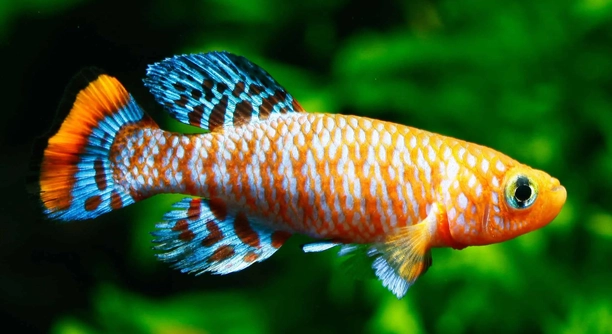
Keeping a killi fry tank healthy requires attention to several important factors. Many hobbyists face challenges that affect the growth and survival of these delicate fish. Avoiding common mistakes can make a significant difference in their development.
There are seven key things to avoid in a killi fry tank, including overfeeding, poor water quality, inadequate filtration, inappropriate tank mates, incorrect temperature, insufficient hiding places, and excessive light exposure. Each of these factors can harm the fry’s growth and survival rate.
Understanding these crucial points will help maintain a stable environment for your killi fry. Avoiding these errors ensures healthier fish and a more rewarding aquarium experience.
Overfeeding Killi Fry
Overfeeding is one of the most common mistakes when caring for killi fry. It may seem like feeding more will help them grow faster, but it actually harms their health. Excess food quickly decomposes and pollutes the water, leading to poor water quality. This can cause stress and increase the risk of disease. Feeding small amounts several times a day is better. It allows fry to eat without leftover food lingering in the tank. Using finely crushed or live foods suited for their size helps ensure they get proper nutrition without waste. Regularly removing uneaten food and monitoring feeding habits will keep the environment clean and safe for the fry to thrive.
Feeding sparingly and removing leftovers supports a healthier tank environment. Overfeeding can cause water issues that negatively affect killi fry survival and growth.
Maintaining balanced feeding routines takes attention but benefits the fry greatly. Their growth and activity improve when the water stays clean, reducing illness risks. Proper feeding also encourages natural behavior, helping them develop steadily. Avoiding overfeeding is a simple yet critical step for successful breeding and raising healthy killi fry.
Poor Water Quality
Water quality is essential for raising killi fry. Even small changes in parameters like pH, ammonia, or nitrate levels can harm them. Keeping the water clean with regular changes and good filtration is important. Unstable or dirty water stresses fry and makes them more vulnerable to infections.
Maintaining stable water parameters helps fry stay healthy and grow steadily.
Filtration should be gentle to avoid harming fry but effective enough to remove toxins. Frequent partial water changes remove waste and keep water clear. Testing water regularly provides early warnings of potential problems. Avoid overcrowding the tank to reduce waste buildup. Good water quality supports strong immune systems and proper development in killi fry. It also reduces disease outbreaks, making care less stressful. Consistency is key—rapid changes in water chemistry can shock fry, causing mortality. By focusing on clean, stable water, you give your killi fry the best chance to grow into healthy adults.
Inadequate Filtration
Filtration must be gentle but efficient in a killi fry tank. Strong currents can stress or injure the fry, so avoid powerful filters.
A sponge filter is ideal because it provides biological filtration without creating strong water flow. It traps debris while keeping water clean, supporting healthy bacteria growth. Using an air pump to power the sponge filter keeps water oxygenated and circulation gentle. Regular cleaning of the filter media is necessary to prevent clogging but avoid over-cleaning, which can remove beneficial bacteria. A well-maintained filter ensures waste is broken down, helping maintain stable water conditions that support fry health.
Poor filtration often leads to dirty water, stressing fry and increasing the chance of disease. Investing in proper filtration improves water quality and promotes steady fry growth, creating a safer tank environment.
Inappropriate Tank Mates
Choosing tank mates carefully is vital for killi fry survival. Aggressive or larger fish can harm or eat the fry quickly.
Small, peaceful species or a species-only tank prevents fry from being targeted. Tank mates should not compete aggressively for food or space. Even adult killis can sometimes show aggression, so monitoring behavior is important. A crowded tank increases stress and the risk of injury for fry. Keeping fry in a dedicated tank or a separate nursery area reduces risks and helps ensure their safety. Tank mates that share similar water requirements and temperament are the best choice to maintain harmony and promote fry growth.
Incorrect Temperature
Maintaining the right temperature is essential for killi fry health. Too high or too low can cause stress or slow development.
Ideal temperatures usually range between 22°C and 26°C (72°F–79°F). Consistent temperature helps fry grow steadily and avoid illness.
Insufficient Hiding Places
Killi fry need hiding spots to feel secure and reduce stress. Plants, moss, or small decorations work well. Providing cover helps fry avoid predators and stay calm, encouraging natural behavior and healthy development.
Excessive Light Exposure
Too much light can stress killi fry and promote algae growth, which affects water quality. Use subdued lighting or provide shaded areas to create a comfortable environment that mimics their natural habitat.
FAQ
What is the best food for killi fry?
Killi fry need very small, easily digestible foods. Live foods like infusoria, newly hatched brine shrimp, and microworms are ideal. These provide essential nutrients and encourage natural hunting behavior. Powdered fry food can be used but is less effective. Feeding several small meals daily supports steady growth.
How often should I change the water in a killi fry tank?
Regular water changes are vital to maintain water quality. Changing about 20-30% of the water twice a week is a good rule. Avoid large water changes at once, which can shock the fry. Use dechlorinated water at the same temperature to keep conditions stable.
Can I use a heater in a killi fry tank?
Yes, a heater is recommended if room temperature is unstable. Killi fry do best in a consistent temperature range between 22°C and 26°C (72°F–79°F). Use a reliable heater with a thermostat to avoid sudden temperature swings that can stress or harm the fry.
Is it okay to keep adult killis with fry?
Adult killis can sometimes eat or bully fry, depending on the species and temperament. It’s safer to keep fry in a separate tank or nursery until they grow larger and are less vulnerable. If kept together, monitor closely and provide plenty of hiding spaces.
How do I know if the fry are healthy?
Healthy fry are active, swimming freely, and feeding well. Their bodies should look full and clear, with no signs of deformity or discoloration. If fry appear lethargic, stay near the surface or bottom, or develop white spots, they may be stressed or sick.
What kind of filtration is best for a fry tank?
Sponge filters are preferred because they provide gentle filtration without strong currents. They also promote beneficial bacteria growth, which helps break down waste naturally. Avoid filters with powerful flows that can harm fragile fry.
Can overfeeding cause problems in the tank?
Yes, overfeeding leads to leftover food that decomposes and pollutes the water. This raises harmful ammonia and nitrate levels, stressing fry and increasing disease risk. Feed small portions that fry can finish quickly and remove uneaten food regularly.
How important are hiding places for fry?
Very important. Hiding spots reduce stress by giving fry places to feel safe from potential threats. Live plants, moss, and decorations create shelter and help mimic natural environments. This support promotes healthy growth and reduces aggression.
What should I do if fry stop eating?
If fry stop eating, check water quality and temperature first. Stress from poor conditions often causes appetite loss. Also, try changing the food type or size to see if they respond better. Avoid sudden changes and maintain stable tank conditions.
How long does it take for killi fry to grow into adults?
Growth rates vary by species, but generally, killi fry take about 2 to 3 months to mature. Proper care, stable water conditions, and good nutrition speed up healthy development. Patience and attention are key during this period.
Final Thoughts
Raising killi fry requires careful attention to many details that affect their health and growth. Avoiding common mistakes such as overfeeding, poor water quality, and inappropriate tank mates is essential. Each factor plays a role in creating a stable environment where fry can develop properly. By maintaining clean water, providing gentle filtration, and monitoring temperature closely, you reduce stress and improve their chances of survival. These steps may seem small but have a significant impact on the well-being of the fry.
Providing proper care is about consistency and patience. It is important to feed the fry appropriate foods in small amounts and at regular intervals. Overfeeding leads to water pollution, which harms the fry. Giving them places to hide and ensuring that light levels are not too high also help reduce stress. Paying attention to these details creates a comfortable and safe space that encourages healthy growth. Avoiding aggression from other fish by choosing suitable tank mates or keeping fry separate is another important aspect to consider.
Keeping these points in mind makes caring for killi fry manageable and rewarding. Understanding what to avoid helps prevent common problems that lead to fry loss or poor health. With steady care and the right setup, killi fry can grow into strong, healthy adults. This careful approach not only improves their survival but also enhances your experience as a fish keeper. It allows you to enjoy the unique beauty and behavior of killifish while ensuring they thrive in your aquarium.

Hello,
If you enjoy the content that we create, please consider saying a "Thank You!" by leaving a tip.
Every little bit helps us continue crafting quality advice that supports the health, happiness, and well-being of pets around the world, for pets of all shapes, sizes, and species.
We really appreciate the kindness and support that you show us!