
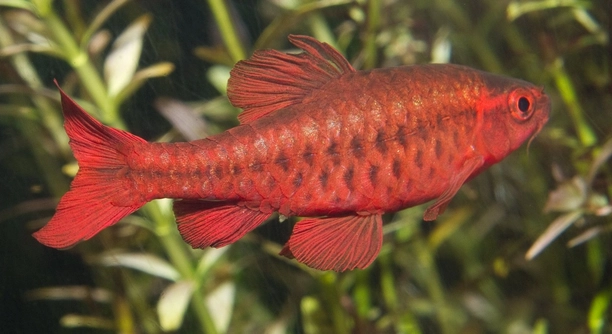
Do you ever find yourself unsure about what foods are safe for your cherry barbs to eat, especially when you’re trying to offer variety?
Cherry barbs should not be fed bread, dairy, processed meats, sugary foods, citrus fruits, oily leftovers, or raw beans. These items can cause digestive issues, toxicity, or long-term health problems in small freshwater fish like cherry barbs.
Feeding your cherry barbs the wrong foods may seem harmless, but knowing what to avoid is key to keeping them active and healthy.
Bread and Dough-Based Foods
Feeding bread or dough to cherry barbs might seem harmless, but it’s best to leave these out of their diet. Bread can expand in their stomachs, causing discomfort and digestion issues. It also has no real nutritional value for fish. Many types of bread contain salt, sugar, or preservatives, which can upset the water quality in your tank and harm your fish over time. Cherry barbs thrive on a diet that’s tailored to their needs—mainly small insects, plant matter, and specialized flakes or pellets. Giving them food meant for humans can throw off their balance and leave them prone to illness. It’s important to focus on quality rather than convenience when choosing what to feed your fish. Even small amounts of inappropriate food can lead to long-term health effects. Sticking to fish-safe options will help them stay bright, active, and healthy.
Avoid feeding them breadcrumbs or pasta leftovers. These create waste and can quickly make tank water dirty.
It’s always better to stick with food specifically made for fish. Your cherry barbs will stay in better shape, and the tank environment will stay much cleaner.
Dairy Products
Dairy might be a staple in your kitchen, but it’s something cherry barbs should never eat. Fish cannot digest lactose, and dairy can foul the tank water quickly.
Feeding dairy products like cheese, milk-soaked bread, or yogurt to cherry barbs can lead to serious issues. These foods are high in fat and contain ingredients that freshwater fish can’t break down. Once introduced into the tank, dairy begins to rot, raising ammonia levels and placing stress on your fish. Cherry barbs are especially sensitive to changes in water quality. This kind of stress can suppress their immune systems and make them more prone to disease. Even if the dairy doesn’t directly harm them at first, poor water quality can create long-term consequences. It’s also important to understand that cherry barbs do not gain any nutritional benefit from dairy. It’s a waste product in the tank and serves no useful purpose in their diet.
Processed Meats
Processed meats like sausages, bacon, or ham should never be offered to cherry barbs. These foods contain salt, spices, preservatives, and fats that are unsafe for freshwater fish and can quickly pollute your aquarium water.
Even a small piece of processed meat can cause problems for cherry barbs. These foods often contain additives like nitrates and phosphates, which fish cannot properly digest. As these meats break down in the tank, they release harmful substances that affect water clarity and pH levels. Over time, this makes the tank environment unhealthy. Cherry barbs have small digestive systems, and foods high in fat or protein made for humans can lead to bloating or other health concerns. It’s always safer to feed them high-quality fish food, such as micro pellets or brine shrimp, instead of anything from your own plate. These options offer proper nutrients without compromising water quality.
High-fat foods like salami or hot dogs might attract attention in the tank, but they can linger uneaten and begin to rot. This decaying food lowers oxygen levels and causes dangerous ammonia spikes. Over time, these spikes put stress on your cherry barbs, weakening their immune systems and affecting their color and activity. Long-term exposure to poor water conditions can lead to disease or even death. Clean water and balanced food are key. Avoid the urge to treat your fish with people food—they do much better on a simple, species-appropriate diet. Stick to foods you know are designed with fish health in mind. It keeps them brighter, livelier, and much more active.
Sugary Foods
Sugary foods like candy, chocolate, or sweetened cereals can seriously harm cherry barbs. These foods are not digestible by fish and can quickly spoil the water, making it toxic for small freshwater species.
Even small traces of sugar in the tank can throw off the balance. It encourages bacteria growth and reduces oxygen.
Citrus Fruits
Citrus fruits like oranges, lemons, or grapefruits should never be given to cherry barbs. These fruits are highly acidic and can irritate a fish’s digestive system. The acidity can also alter the pH levels in your tank, stressing the fish and making them more vulnerable to illness. Some citrus peels contain oils and residues that are harmful even in tiny amounts. Unlike leafy greens or algae-based snacks that can be safely added to their diet, citrus fruits have no nutritional value for cherry barbs. Feeding them fruits that are too acidic is risky and not worth the possible damage it can cause to both their health and your aquarium’s stability.
Oily Leftovers
Foods cooked in oil or grease, like fried chicken or french fries, create residue that affects water quality and coats the surface. This reduces oxygen exchange and harms the fish.
FAQ
Can I feed my cherry barbs vegetables?
Yes, cherry barbs can safely eat certain vegetables. Foods like spinach, zucchini, or peas are excellent choices. It’s important to blanch or lightly steam these vegetables to make them easier to digest. Avoid giving them raw or hard vegetables, as they may be difficult for the fish to eat and digest properly. Offer small pieces of vegetable matter to prevent them from becoming overwhelmed, and remove any uneaten food promptly to keep the tank clean.
Are live foods safe for cherry barbs?
Live foods like brine shrimp, daphnia, and micro worms are great for cherry barbs. These offer natural protein and can help stimulate their hunting instincts. However, be sure to source them from a reputable supplier to avoid introducing parasites or diseases into the tank. Live foods should be given as a supplement, not the main diet, to ensure your fish receive balanced nutrition.
Can cherry barbs eat fruits like apples or bananas?
While cherry barbs can eat some fruits in small amounts, it’s generally better to avoid giving them fruits like apples or bananas. These fruits are high in sugar, and their acidity can upset the fish’s digestive system. If you choose to offer fruit, stick to small amounts of mild, non-citrus fruits like watermelon or strawberries, and remove any uneaten pieces after a few hours.
How often should I feed my cherry barbs?
Cherry barbs should be fed once or twice a day. It’s important not to overfeed them, as uneaten food can pollute the water and harm the fish. Offer only as much food as they can eat in about two to three minutes. Overfeeding can lead to poor water quality, which puts stress on your fish and may lead to health problems. It’s better to offer smaller portions more often than large amounts less frequently.
Can I feed my cherry barbs flakes or pellets?
Yes, high-quality fish flakes or pellets are a great staple food for cherry barbs. These are specifically formulated to meet the nutritional needs of small freshwater fish. Look for flakes or pellets that are rich in protein and other essential nutrients. Be sure to choose food that is sized appropriately for cherry barbs, as they have small mouths. Always check the ingredients to make sure they are free from harmful additives like artificial colors or preservatives.
Is it okay to give cherry barbs frozen food?
Frozen foods like brine shrimp, bloodworms, and daphnia are excellent choices for cherry barbs. They provide a natural source of protein and can be offered as an occasional treat. Thaw the food before feeding it to prevent any harm to your fish. Like live food, frozen food should be given in moderation to ensure a balanced diet.
What foods can stress out my cherry barbs?
Feeding inappropriate foods can stress your cherry barbs. Items like processed meats, dairy, sugary foods, and citrus fruits can upset their digestive systems. Stress can weaken their immune systems and make them more prone to diseases. Overfeeding, or offering too much protein at once, can also cause problems like constipation and bloating, which lead to further stress.
Can I feed my cherry barbs worms?
Earthworms and other small worms, such as blackworms or tubifex worms, are excellent food options for cherry barbs. These provide a good source of protein and are naturally eaten by fish in the wild. However, make sure any worms you offer are clean and free from pesticides. You can find these at most pet stores or online. Just be careful not to overfeed, as too many worms can cause the tank’s water quality to suffer.
Do cherry barbs need any special food during breeding?
During breeding, cherry barbs do not require special food, but it is important to provide them with a high-protein diet to support their reproductive health. Offer a mix of live foods, such as brine shrimp and daphnia, to boost their energy. The female may also benefit from extra plant matter, as she prepares to lay eggs. Clean, fresh water and good nutrition will help ensure a successful breeding process.
Can cherry barbs eat algae?
Yes, cherry barbs can eat algae. In fact, they enjoy grazing on algae-covered surfaces in the tank. Providing live plants and allowing algae to grow naturally in your aquarium can help supplement their diet. You can also offer algae wafers as a treat. These will help keep your fish engaged and provide them with additional nutrients. However, avoid overfeeding algae wafers, as this can lead to water quality issues.
How can I make sure I’m feeding my cherry barbs the right amount?
The best way to gauge the right amount of food for your cherry barbs is by observing their eating habits. Offer food that they can consume in about two to three minutes. If food is left behind after that time, you may be overfeeding. Remove any uneaten food to avoid polluting the water. Overfeeding can lead to poor water quality, which in turn can affect the health of your fish.
What should I do if my cherry barbs refuse to eat?
If your cherry barbs aren’t eating, the first thing to check is the water quality. Poor water conditions, such as high ammonia levels, low oxygen, or incorrect temperature, can cause fish to lose their appetite. If the water quality is fine, try offering a variety of foods. Sometimes, fish can get picky, or they may be stressed. If the problem persists, check for signs of illness and consult with a vet or aquarist.
Final Thoughts
Feeding cherry barbs properly is essential for their health and well-being. While these small fish may seem easy to care for, it’s important to be mindful of what goes into their diet. Offering the right foods can keep them active and vibrant, while feeding them the wrong items can cause long-term health issues. Avoiding harmful foods like bread, processed meats, dairy, sugary snacks, and citrus fruits is key. These foods can stress your cherry barbs and even lead to dangerous water quality problems. Maintaining a balanced and appropriate diet is an easy way to keep your fish healthy and happy.
The best way to ensure your cherry barbs get the right nutrition is by sticking to high-quality fish food that is specifically designed for small freshwater species. Flakes and pellets are good staples for their diet, but you can supplement this with occasional live or frozen foods, such as brine shrimp or daphnia. Providing vegetables like spinach or peas can also be a healthy treat. Just make sure to remove any uneaten food quickly to prevent it from decaying and polluting the tank. Regular water changes and careful monitoring of the tank’s environment will also help keep your fish in top condition.
In the end, understanding what to feed—and what not to feed—your cherry barbs is essential for their long-term health. By providing a variety of safe and nutritious foods, you’ll encourage vibrant colors and lively behavior in your fish. Keep in mind that a healthy diet goes hand-in-hand with proper tank maintenance. The right food choices, combined with good water quality, will help your cherry barbs thrive for years to come. Take time to learn what works best for them, and you’ll be rewarded with happy, healthy fish.

Hello,
If you enjoy the content that we create, please consider saying a "Thank You!" by leaving a tip.
Every little bit helps us continue crafting quality advice that supports the health, happiness, and well-being of pets around the world, for pets of all shapes, sizes, and species.
We really appreciate the kindness and support that you show us!