
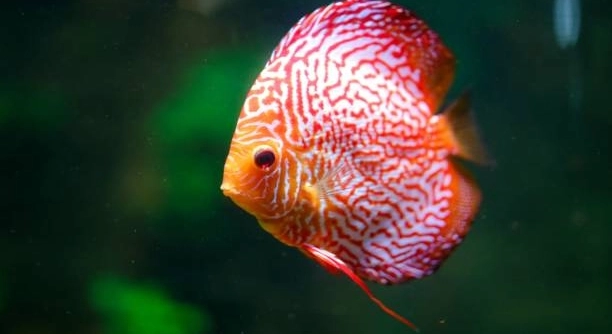
Keeping discus fish healthy requires careful attention to their water environment. Many aquarium owners want to improve their tanks but sometimes add substances that harm these sensitive fish. Avoiding certain additives is key to maintaining clear, safe water.
Adding harmful chemicals or untested substances to discus water can disrupt its delicate balance, leading to stress, illness, or death. It is crucial to avoid medications, harsh cleaners, untreated tap water, and excessive supplements that negatively affect water quality and fish health.
Knowing what to avoid can help you protect your discus and maintain a thriving aquarium. The following information highlights common mistakes that can compromise water conditions and fish wellbeing.
Chemicals and Medications
Many discus keepers try to treat illnesses by adding chemicals or medications directly to the water. However, harsh chemicals can quickly alter water parameters, such as pH and hardness, which are critical for discus health. Even common treatments can be too strong if not dosed carefully, causing more harm than good. Avoid using medications unless absolutely necessary and always follow exact dosage instructions. Overusing chemicals can stress fish, weaken their immune systems, and create an unstable tank environment. Instead, focus on preventative care, good filtration, and water changes to maintain a healthy aquarium.
Using chemicals without proper knowledge can worsen water quality and harm discus fish.
When treating disease, it is better to isolate affected fish in a quarantine tank. This approach prevents exposing the entire aquarium to harsh substances. Always research medications before use and consider natural remedies or professional advice for treating discus. Maintaining stable, clean water is more effective than relying on frequent chemical treatments.
Untreated Tap Water
Tap water often contains chlorine, chloramines, or heavy metals that can be harmful to discus fish. Adding tap water directly to your tank without conditioning can cause gill damage and stress. Always use a water conditioner to neutralize harmful substances before adding water. It is also important to test your tap water regularly for pH, hardness, and contaminants. Some tap water may require additional treatment like reverse osmosis or dechlorination for discus to thrive. Conditioning water protects your fish and helps maintain stable water parameters that discus need to survive.
Skipping water conditioning risks exposing discus to toxic elements and unstable water conditions.
Using untreated tap water can quickly lead to fish stress and illness. Chlorine and chloramines attack fish gills, making it difficult for them to breathe. Heavy metals can accumulate, poisoning your fish over time. Water conditioners remove these harmful chemicals immediately. In addition, testing ensures water hardness and pH levels suit discus needs. Proper water treatment supports healthy growth and vibrant colors. Preparing water carefully is one of the easiest ways to improve discus care and prevent common health problems.
Excessive Supplements and Additives
Some hobbyists add vitamins, minerals, or other supplements to discus water hoping to boost fish health. While supplements can be helpful, too much of them may disrupt the tank’s balance. Over-supplementation can cause algae growth, cloudy water, and spikes in ammonia or nitrites. It can also mask symptoms of poor water quality that should be addressed directly. Instead, focus on providing a varied, nutritious diet and maintaining clean water through regular changes. Supplements should be used sparingly and only when there is a known deficiency.
Adding too many supplements can create imbalances and water quality issues in discus tanks.
Balanced water parameters and nutrition are far more important than constant additives. Providing quality food and stable water conditions supports discus health naturally. If supplements are used, do so carefully and monitor water chemistry closely. Avoid relying on additives to fix problems that should be solved by improving tank maintenance and feeding routines.
Overfeeding and Excess Food
Overfeeding discus causes uneaten food to settle at the bottom, decaying and polluting the water. This quickly raises ammonia and nitrite levels, which are toxic to fish. Feeding should be moderate and controlled to avoid water contamination.
Feeding discus too much can also lead to obesity and digestive problems. It’s important to offer only what they can consume within a few minutes. Remove any leftover food immediately to prevent water quality issues. Regular feeding schedules with smaller portions help maintain a healthy tank environment. Overfeeding not only harms water chemistry but also increases maintenance demands.
Leftover food breaks down and fuels bacterial growth that consumes oxygen. This reduces oxygen availability for your discus, which can cause stress or suffocation. Proper feeding habits are essential for long-term tank stability. Providing a balanced diet in controlled amounts supports healthy fish and clear water.
Using Hard or Untreated Water
Discus require soft, slightly acidic water for optimal health. Using hard or untreated water with high mineral content can cause stress, scale damage, and color fading. Monitoring water hardness and adjusting accordingly is necessary.
If your tap water is hard, consider mixing it with purified or reverse osmosis water to reduce mineral levels. High levels of calcium or magnesium disrupt discus biological processes and can lead to health problems. Regular testing ensures water conditions stay within ideal ranges.
Untreated hard water often contains heavy metals that damage delicate fish tissues. Using water softeners or conditioners designed for aquarium use helps create a stable environment. Stable water chemistry supports discus immunity and longevity. Taking steps to soften water prevents many common health issues in discus aquariums.
Using Soap or Detergents
Soap and detergents should never be used to clean discus tanks or equipment. These substances leave harmful residues that can poison fish even in tiny amounts. Avoid all household cleaners near the aquarium to keep water safe.
Always use aquarium-safe cleaning tools and rinse thoroughly with water. Residue from soaps can cause gill damage and stress, leading to illness. It’s better to prevent contamination than to treat affected fish.
Overcrowding the Tank
Overcrowding increases waste production, which overwhelms filtration and lowers water quality. High fish density stresses discus, making them more prone to disease and reducing their lifespan.
Maintaining proper stocking levels ensures stable water conditions and allows discus to grow and behave naturally. Regular monitoring of population helps prevent overcrowding and keeps the tank environment healthy.
Ignoring Water Changes
Neglecting regular water changes causes toxin buildup and reduces oxygen levels. Consistent partial water changes are essential to maintain water quality and discus health.
What happens if I add too many chemicals to discus water?
Adding too many chemicals disrupts the water’s natural balance. This can cause sudden changes in pH, hardness, and other important parameters, which stress or even kill discus fish. Some chemicals might build up to toxic levels, harming gills and other organs. It’s best to use only what’s necessary and follow dosing instructions exactly.
Can I use tap water without treating it for my discus tank?
Tap water often contains chlorine, chloramines, or heavy metals harmful to discus. Using it without treatment can damage fish gills and cause stress or death. Always treat tap water with a quality water conditioner before adding it to the tank. Testing water parameters regularly helps keep conditions safe.
Why is overfeeding dangerous for discus fish?
Overfeeding leaves uneaten food in the tank, which decomposes and releases harmful ammonia and nitrites. These toxins reduce oxygen levels and pollute the water. Overfeeding also causes obesity and digestive problems in discus. Feeding small amounts that fish consume quickly prevents these issues.
Is it okay to use soaps or detergents for cleaning tank equipment?
Soaps and detergents are toxic to fish even in tiny residues. They cause gill damage and stress, sometimes killing fish. Always use aquarium-safe cleaning tools and rinse items thoroughly with plain water. Avoid household cleaners near the tank.
How does hard water affect discus fish?
Discus prefer soft, slightly acidic water. Hard water with high mineral content stresses them, dulls their colors, and can cause scale damage. Heavy metals often found in hard water damage tissues. Using softened or purified water protects their health.
What problems come from overcrowding the tank?
Too many fish produce excessive waste, overwhelming filtration and lowering water quality. This stress weakens discus immune systems and shortens their lifespan. Keeping proper stocking levels maintains stable water and healthier fish.
Why are regular water changes important for discus tanks?
Water changes remove toxins and replenish oxygen. Without them, waste builds up, harming fish. Regular partial changes keep water clean and stable, supporting discus health and growth.
Can I add supplements to discus water to improve their health?
Supplements can help if there is a known deficiency, but overuse causes algae blooms and water chemistry imbalances. It’s better to provide a balanced diet and maintain clean water. Use supplements sparingly and only when necessary.
What should I do if my discus show signs of illness?
Isolate sick fish in a quarantine tank to prevent spreading disease. Avoid adding medications directly to the main tank unless recommended by a professional. Maintain stable water conditions and follow proper treatment guidelines carefully.
How often should I test my discus tank water?
Testing water at least once a week helps catch problems early. Check pH, hardness, ammonia, nitrites, and nitrates to ensure safe levels. Frequent testing allows quick corrections and prevents stress or illness.
What is the safest way to introduce new fish to my discus tank?
Quarantine new fish for several weeks to observe any signs of illness. Gradually acclimate them to your tank’s water parameters before adding them to the main aquarium. This protects your discus from disease and stress.
Can tap water hardness be adjusted for discus tanks?
Yes. Mixing tap water with purified or reverse osmosis water lowers hardness. Water softeners made for aquariums also help. Adjusting hardness keeps water within the ideal range for discus health.
Maintaining a healthy discus aquarium requires careful attention to the water and what is added to it. Avoiding harmful substances such as untreated tap water, harsh chemicals, soaps, and excessive supplements helps keep the environment safe for your fish. Proper water treatment, controlled feeding, and balanced tank conditions are key to preventing stress and illness in discus. These steps create a stable habitat that supports their growth, vibrant colors, and overall well-being.
Consistency plays a major role in discus care. Regular water changes, testing water parameters, and avoiding overcrowding are simple practices that greatly improve tank health. Overfeeding and adding unnecessary additives often lead to poor water quality, which is one of the most common reasons discus become sick. Being mindful of what goes into the tank and maintaining stable water conditions will reduce problems and make caring for discus more enjoyable and successful.
While it can be tempting to try quick fixes or supplements to improve discus health, the best approach is prevention through good husbandry. Taking time to understand discus needs and maintaining clean, properly conditioned water will create a thriving environment. Avoiding common mistakes with water additives is essential. With patience and proper care, your discus will live a long, healthy life, showing their natural beauty and calm behavior.

Hello,
If you enjoy the content that we create, please consider saying a "Thank You!" by leaving a tip.
Every little bit helps us continue crafting quality advice that supports the health, happiness, and well-being of pets around the world, for pets of all shapes, sizes, and species.
We really appreciate the kindness and support that you show us!