
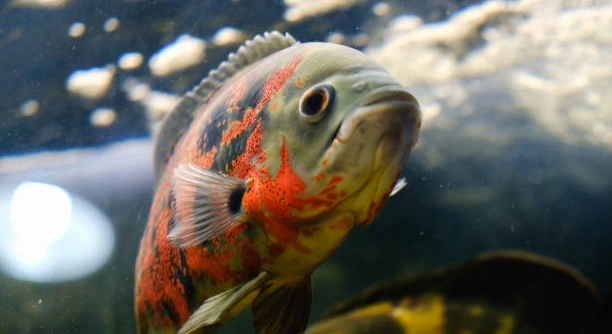
Oscar tanks can be a beautiful addition to any space, but setting one up requires a little thought. There are a few common mistakes people often make when adding things to the tank. Understanding what to avoid can help maintain a healthy and thriving environment for your Oscar.
Adding things like sharp decorations, the wrong substrate, or unsuitable tank mates can harm your Oscar. These factors can lead to stress, injury, or poor water quality, ultimately affecting your Oscar’s health and well-being.
Knowing what to avoid will ensure your Oscar’s home stays clean and comfortable. Understanding these factors can prevent common mistakes and lead to a better environment for your fish.
Sharp Decorations
Adding sharp decorations to an Oscar tank might seem harmless at first, but it can cause major issues. Oscars are known for their curious nature, and they often bump into or even try to explore objects in their environment. Unfortunately, decorations with rough or jagged edges can result in painful injuries. Over time, repeated exposure to sharp surfaces can lead to wounds that become infected, leading to even bigger problems. It’s crucial to opt for smooth, rounded decorations that won’t pose a risk to your Oscar’s health.
Choosing decorations with safety in mind doesn’t mean your tank has to look bare. There are plenty of aesthetically pleasing, safe options available for your Oscar’s environment. Look for soft materials like plastic plants, smooth rocks, or driftwood that won’t cause harm. Keeping your Oscar safe doesn’t mean sacrificing style.
Always prioritize safety when choosing items for the tank. Smooth items are just as beautiful and much safer for your fish. This small adjustment can make a big difference in the long-term health of your Oscar, avoiding unnecessary injuries.
Incorrect Substrate
The type of substrate you use in your Oscar tank is more important than you might think. Some substrates are too sharp or abrasive for Oscars, causing discomfort and potential harm to their sensitive underbellies. Gravel with sharp edges can cause wounds, while fine sand can be difficult to maintain, leading to unhealthy water conditions.
For optimal tank conditions, select a substrate that is gentle on your Oscar’s skin and easy to clean. Smooth gravel or larger pebbles work well, as they won’t scratch your fish and are simple to clean. Regular water changes will help maintain the tank’s cleanliness, preventing any buildup of harmful debris.
Keep in mind that the right substrate can also aid in maintaining water quality. Oscars produce a lot of waste, and a poor substrate can trap debris, which leads to poor water conditions. Choosing the correct substrate is a key step toward creating a healthier, safer environment for your Oscar. It’s all about balance.
Incorrect Tank Mates
Choosing the wrong tank mates for your Oscar can lead to stress and aggression. Oscars are territorial and can become aggressive towards fish they don’t get along with. It’s essential to understand your Oscar’s temperament and pick companions carefully.
Avoid small fish, as Oscars are known to eat smaller tank mates. Additionally, other territorial fish may clash with your Oscar, leading to constant stress. Choosing peaceful, similarly sized fish will reduce the likelihood of fighting. Large, hardy fish like some species of plecos or catfish can be good tank mates, as long as they are not too aggressive.
It’s also crucial to avoid adding fish that prefer very different water conditions. Oscars need specific water parameters, so adding incompatible fish could create an unhealthy environment for everyone. Proper research on each species will help you find tank mates that thrive alongside your Oscar.
Overcrowding the Tank
Overcrowding the tank can lead to poor water quality and stressed fish. Oscars grow large and need space to move around. When the tank is overcrowded, waste buildup becomes a problem, making it harder to maintain good water quality.
A general guideline is to give each Oscar at least 55 gallons of space, with additional room for each new tank mate. Overcrowding not only impacts the fish’s well-being but also creates more work for you in terms of cleaning and water changes. Regular water testing can help you monitor the tank’s conditions and ensure your Oscar is in a healthy environment.
The more space you provide, the better your fish will thrive. A properly sized tank will allow your Oscar to swim comfortably and reduce aggression. While it may be tempting to add more fish, remember that quality is more important than quantity. This careful balance keeps your Oscar happy and healthy.
Poor Water Quality
Water quality is vital for your Oscar’s health. Oscars produce a lot of waste, so without proper filtration and regular water changes, the tank can quickly become unhealthy. Poor water conditions can cause stress, illness, and even death in your fish.
Regularly test the water’s pH, ammonia, nitrite, and nitrate levels. It’s important to keep these levels within safe ranges. A good filtration system helps maintain clean water, but it’s still necessary to change 20-30% of the water every week. Over time, poor water quality will lead to health issues that are avoidable with simple maintenance.
Ignoring water quality not only harms your Oscar but can also negatively impact any other fish in the tank. Make sure to invest time in maintaining clean water and a reliable filtration system.
Overfeeding
Overfeeding is a common mistake. Oscars are big eaters, but overfeeding them can lead to obesity, poor water quality, and health problems. It’s important to control portion sizes and feed them appropriately for their size and activity level.
Feeding once or twice a day is enough for adult Oscars. Offer a varied diet that includes pellets, frozen foods, and live food, but don’t give them more than they can eat in a few minutes. Uneaten food will decompose and pollute the tank, making maintenance harder.
Maintaining a balanced diet is essential for your Oscar’s health. Avoid overfeeding to keep both your fish and the water in optimal condition.
Incompatible Decorations
Decorations in the tank are more than just for decoration—they can also provide hiding spots and security for your Oscar. However, incompatible or poorly chosen decorations can cause harm. Sharp edges or overly large pieces may limit your fish’s movement.
Decorations should always have smooth edges and be securely placed to prevent them from moving and harming your Oscar. Avoid decorations that could potentially block filtration or water flow, as this could disrupt the tank’s balance. Keep it simple, ensuring each item serves a purpose and keeps the tank functional.
The right decorations help your Oscar feel secure while still maintaining a healthy environment. Be mindful of your choices.
FAQ
What size tank do I need for an Oscar?
Oscars grow large and require plenty of space. A single adult Oscar needs at least a 55-gallon tank. If you plan to keep more than one Oscar or add tank mates, you’ll need a larger tank. A 75-gallon tank is a good size for two Oscars. Keeping them in a too-small tank can result in stress, aggression, and poor water quality. Always account for their adult size (which can reach up to 14 inches) and provide enough room for them to swim freely.
Can I keep other fish with my Oscar?
While it’s possible to keep other fish with your Oscar, it’s essential to choose the right tank mates. Oscars are known for being aggressive, and they may try to eat smaller fish. Opt for larger, more robust species that can handle the Oscar’s temperament. Fish like plecos or large catfish are generally good options. However, always monitor interactions closely, especially when introducing new fish, as Oscars may show aggression towards newcomers.
How often should I clean my Oscar tank?
You should perform a partial water change every week to keep the tank clean. Replace about 20-30% of the water each time. Clean the substrate, remove any uneaten food, and check the filter for clogs. Make sure to regularly test the water for ammonia, nitrites, and nitrates to ensure it’s safe for your Oscar. Keeping the tank clean is essential for preventing diseases and maintaining a healthy environment.
What should I feed my Oscar?
Oscars are carnivores, so their diet should mainly consist of meat-based foods. You can feed them pellets, freeze-dried, or frozen foods like shrimp, worms, and fish. Live food is also an option but should be given sparingly. Offering a variety of foods ensures they get a balanced diet. Avoid overfeeding, as this can lead to health problems and poor water quality.
How do I prevent aggression in my Oscar?
Aggression is natural for Oscars, but you can reduce it by providing enough space in the tank and carefully selecting tank mates. Ensure the tank is large enough for your Oscar to establish its territory without feeling cramped. Avoid keeping multiple male Oscars together, as this can lead to territorial disputes. Providing hiding spots and plenty of decorations can help minimize stress and aggression.
Why is my Oscar not eating?
If your Oscar isn’t eating, several factors could be at play. Stress, poor water quality, or illness are common reasons. Check the water parameters and ensure they are within the proper range. A sudden change in diet or tank environment can also cause your Oscar to lose its appetite. If the issue persists, consider consulting a vet to rule out any underlying health problems.
How can I tell if my Oscar is sick?
Sick Oscars often show changes in behavior, such as lethargy or a loss of appetite. They may also display physical signs like faded colors, unusual swimming patterns, or lesions on their bodies. Keep a close eye on their behavior and appearance, especially if you notice any of these signs. Early detection can make a big difference in treatment, so don’t hesitate to take action.
What is the ideal water temperature for an Oscar?
Oscars thrive in warm water, with an ideal temperature range between 74°F and 81°F (23°C – 27°C). Use a reliable aquarium heater to maintain a stable temperature, as fluctuations can cause stress. Be sure to monitor the temperature regularly with a thermometer to ensure consistency, which is important for their health and well-being.
Can Oscars live with plants in their tank?
Oscars are known to be destructive, and they may uproot or tear up plants. While some plants may survive, it’s often better to focus on decorations that are more durable and secure. If you want to include plants, choose hardier species like Java ferns or Anubias, which are less likely to be damaged. You may also want to use plastic plants, as they are tougher and harder for Oscars to damage.
How long do Oscars live?
With proper care, Oscars can live for 10-15 years, sometimes even longer. Their lifespan depends on factors such as tank conditions, diet, and overall health. Providing a stable environment, clean water, and a balanced diet can help extend their life. Regular check-ups and monitoring are important to ensure your Oscar stays healthy throughout its lifespan.
Can I add more than one Oscar to the tank?
You can keep multiple Oscars together, but it requires careful consideration. Oscars are territorial, and adding another one may lead to aggression, especially in smaller tanks. If you do decide to house more than one, make sure the tank is large enough, with plenty of hiding spots, and monitor their interactions closely. It’s often best to keep them in pairs or groups, with ample space for each fish to establish its territory.
Final Thoughts
Taking care of an Oscar fish requires attention to detail and a commitment to providing the right environment. From selecting the proper tank size to keeping the water clean, every step plays a role in ensuring your Oscar stays healthy and happy. While Oscars are hardy fish, they thrive best when their needs are met, and their space is respected. The beauty of an Oscar tank lies not just in the fish but in the environment you create for them to live in.
Setting up the right tank involves more than just buying the biggest tank you can find. It’s about understanding their behavior, providing suitable decorations, and selecting compatible tank mates. The more effort you put into creating a safe and clean space, the better your Oscar will fare. Remember to avoid common mistakes like overcrowding, overfeeding, and choosing sharp decorations, which can cause harm to your fish over time. Also, take care to monitor the water quality regularly to keep it within safe levels. Oscars are sensitive to poor water conditions, and it doesn’t take long for bad water to impact their health.
Ultimately, the joy of owning an Oscar fish comes from watching them grow, interact with their environment, and even develop their unique personalities. By following simple guidelines and taking time to understand their needs, you’ll be able to enjoy a thriving tank for many years. Whether you’re a first-time fish owner or have experience, the key is to balance both the aesthetic appeal and the practical care required to keep your Oscar fish in optimal health.

Hello,
If you enjoy the content that we create, please consider saying a "Thank You!" by leaving a tip.
Every little bit helps us continue crafting quality advice that supports the health, happiness, and well-being of pets around the world, for pets of all shapes, sizes, and species.
We really appreciate the kindness and support that you show us!