
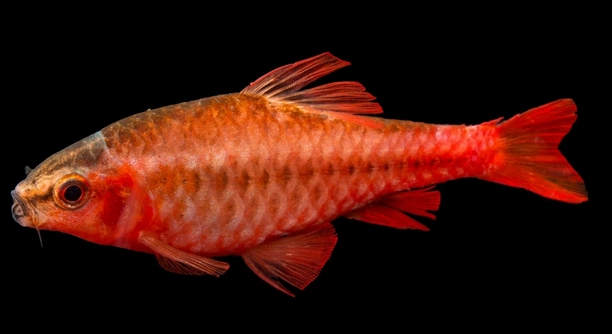
Barb tanks are an exciting and vibrant addition to any aquarium, but there are certain elements you should avoid when setting up their environment. Understanding what not to include can help maintain a healthy and balanced tank for your fish.
To ensure the well-being of your barb fish, avoid adding aggressive tank mates, sharp objects, poor water quality, overcrowding, inappropriate tank size, incompatible plants, and harmful chemicals. These factors can lead to stress, injury, and unhealthy tank conditions.
Choosing the right elements for your barb tank can be tricky. Understanding these key factors will help you create a thriving and peaceful environment for your fish to flourish.
Aggressive Tank Mates
Barbs are active and social fish that thrive in community tanks, but some fish can be too aggressive, causing stress and even injury. Predatory or territorial species like cichlids can make the environment uncomfortable. Barbs need peaceful companions that won’t dominate or threaten them. If you’re choosing tank mates, go for species that are similarly energetic but non-aggressive, such as tetras or mollies. Barbs also do well with other barb species as long as they have enough space and a proper balance in numbers. Always observe the behavior of different fish before making your final decision.
Aggressive fish can harm or stress out barbs. Always consider the temperament of potential tank mates before adding them to ensure a peaceful, balanced environment.
Choosing the right companions for your barb tank isn’t just about personality but also size and activity level. Some fish may be small and non-threatening but still not suited for a tank with barbs due to their fast, darting movements. Adding large fish with slower movements can make barbs feel threatened. It’s best to select species that won’t compete for food and space in the same way.
Sharp Objects and Decorations
Sharp decorations in a tank can cause injuries to barbs, especially because they are quite active and often swim quickly. They may inadvertently brush against sharp edges or get stuck in tight spaces. It’s essential to select decorations that are smooth and safe for fish. Avoid any decorations with rough surfaces, jagged rocks, or sharp edges. Opt for soft, rounded rocks or plastic plants with no sharp tips. Additionally, driftwood is a good option, but make sure it’s been prepared properly to avoid sharp parts. Always double-check the objects you’re adding to ensure they won’t cause harm.
Choosing smooth and safe decorations prevents injuries for barbs. Always inspect your tank accessories to avoid any sharp edges.
The safety of your barbs depends on the careful selection of decorations. Barbs may brush against objects or dart through the tank, so ensuring that every item in the tank is smooth is critical. Even seemingly harmless objects, like rocks or shells, can pose a risk if they have rough edges. Also, keep in mind that barbs are very active fish and need space to move freely. Overcrowding the tank with decorations can make the environment too cramped and stressful. A clean and well-maintained tank with safe objects can help your fish thrive without injury.
Poor Water Quality
Barbs are sensitive to poor water quality, and if the tank is not properly maintained, they can become stressed and more susceptible to diseases. Ammonia, nitrites, and high levels of nitrates can harm their delicate systems. Regular water changes, proper filtration, and monitoring water parameters like pH, temperature, and hardness are essential. Keep an eye on the levels of harmful substances in the water, as even slight changes can affect your barbs. A clean tank with balanced water conditions is key to their health.
Maintain water quality by regularly testing and changing the water. A clean tank is essential for keeping barbs healthy and happy.
Water quality is often overlooked but plays a major role in the well-being of barbs. If the tank isn’t properly cycled, harmful toxins can build up. This will cause stress and weaken your fish’s immune system. Barbs are also sensitive to sudden changes in temperature, so maintaining a stable, warm environment is crucial. Additionally, overfeeding can cause waste buildup, leading to poor water quality. Ensure your filtration system is working well and replace the filter media as needed to keep your tank clear of harmful substances.
Overcrowding
Overcrowding can be dangerous for barbs. These fish are social but still need space to swim and establish their territories. When there are too many fish in the tank, it can lead to competition for resources like food and oxygen. Barbs are active swimmers, and they require adequate space to move around. Without enough room, they can become stressed, which leads to poor health and aggression. Always consider the adult size of the fish when calculating tank capacity.
Avoid overcrowding by keeping the right number of fish. Barbs need room to swim freely without feeling stressed.
Overcrowding doesn’t just cause stress; it also impacts water quality. More fish means more waste, which leads to quicker buildup of ammonia and other toxins. This will require more frequent water changes, and still may not be enough to keep the water clean. Barbs also need space to establish their social hierarchy, and overcrowding can prevent this. When setting up your tank, ensure that you have a proper balance of fish to water volume. This will create a healthier and more comfortable environment for your barbs.
Incompatible Plants
Not all plants are suitable for a barb tank. Some plants may require specific lighting or water conditions that aren’t ideal for barbs. Barbs can also uproot delicate plants because they are active swimmers. Choosing hardy, fast-growing plants that can tolerate the same water parameters as your barbs is crucial for creating a balanced tank.
Select plants that thrive in the same conditions as barbs. Hardy plants that resist uprooting are best for these tanks.
Choosing plants that are too delicate or not suited for the water conditions in your tank can lead to frustration. Barbs are energetic fish that may disturb the plants, making it difficult for delicate species to grow. Additionally, some plants require more light or CO2 than your tank setup may provide. Opting for plants like Java Ferns or Anubias, which are easy to care for and can thrive under lower light levels, will ensure that your tank remains healthy and your plants continue to flourish.
Harmful Chemicals
Adding chemicals to the tank, whether for cleaning or adjusting water parameters, can have unintended consequences. Some treatments can be toxic to barbs and may affect their health. Always be cautious when using chemical additives, especially if they are not specifically designed for fish tanks.
Be cautious with chemicals in your tank. Some treatments may harm your barbs and disrupt the balance.
Chemicals like copper-based treatments or harsh cleaners can harm barbs by affecting their skin or gills. These fish are particularly sensitive to changes in their environment, and introducing chemicals without proper knowledge can lead to serious health issues. Always read the labels carefully, and opt for natural or fish-safe alternatives when possible. Regularly test your water parameters before and after adding any chemical treatments to ensure that the environment remains safe for your barbs.
FAQ
What are the best tank mates for barbs?
Barbs are active fish that do well in community tanks with peaceful, similarly sized species. Tetras, mollies, and other barbs can make great companions. Avoid fish that are overly aggressive or slow-moving. Larger fish or those with territorial behaviors may not get along with barbs. Choose species that match the barbs’ energy level, ensuring there is no competition for food or space.
How often should I clean a barb tank?
Cleaning a barb tank involves more than just water changes. You should clean the substrate, remove debris, and check the filtration system. Water changes are typically needed every 1 to 2 weeks, depending on tank size and the number of fish. Regular maintenance helps avoid a build-up of harmful substances. Make sure to vacuum the gravel and remove any uneaten food or waste. Don’t clean the filter media all at once; instead, rinse it gently to preserve beneficial bacteria.
Can barbs live with other species of fish?
Barbs can live with other species, but you must choose the right companions. Fish that are too slow or too aggressive may not get along with barbs. Barbs are active swimmers and may stress out slow-moving fish, while their playful nature can irritate more territorial species. It’s best to select tank mates that are similarly active and not prone to aggression.
What type of plants should I add to a barb tank?
Hardy plants that can tolerate a variety of conditions are ideal for barb tanks. Java Fern, Anubias, and Vallisneria are good choices, as they are robust and grow well in conditions typical for barbs. Fast-growing plants help keep the water clean by absorbing excess nutrients, but avoid delicate plants that barbs may uproot with their active swimming. Make sure the plants can tolerate the same water temperature and pH levels as your barbs.
Do barbs need a heater in their tank?
Barbs are tropical fish, so a heater is generally required to maintain the right water temperature. Most species of barbs thrive in water between 74°F and 79°F (23°C to 26°C). Consistent temperature is important for their health and digestion, so invest in a reliable aquarium heater and a thermometer to monitor the temperature. Keep the heater in a safe spot to avoid burns or temperature fluctuations.
What should I feed my barbs?
Barbs are omnivores, meaning they will eat both plant-based and protein-rich foods. A varied diet is key to keeping your barbs healthy. You can feed them flake food, pellets, and frozen or live food like bloodworms, brine shrimp, and daphnia. Vegetables like peas, zucchini, and spinach can also be offered occasionally. Make sure to provide a mix of foods to meet their nutritional needs and avoid overfeeding, as excess food can pollute the tank.
How can I reduce aggression in my barb tank?
Aggression in barbs often arises from a lack of space, poor water quality, or incompatible tank mates. To reduce aggression, ensure that the tank is large enough for the number of fish you have, with plenty of hiding spots and territories. Adding more barbs can help as they are social fish and thrive in groups. Additionally, regular water changes and a well-maintained filter can keep the environment peaceful.
Are barbs easy to care for?
Barbs are generally easy to care for, as long as you maintain good water quality and provide a suitable environment. They adapt well to different water conditions but still require regular maintenance. A stable temperature, clean water, and a balanced diet are essential to keep them healthy. However, they can be prone to stress from poor water quality or incompatible tank mates. So while they are hardy, a little effort goes a long way in keeping them happy.
Do barbs need a lot of space?
Barbs are active fish and need plenty of space to swim. A tank size of at least 20 gallons is recommended for a small group of barbs. If you plan to add other fish or have a larger group of barbs, you’ll need a bigger tank. A larger tank will provide enough swimming space and help maintain better water quality. Make sure to also include plants and decorations that allow for hiding spots and territories.
Can barbs live in cold water?
While barbs can tolerate slightly cooler temperatures, they are primarily tropical fish and do best in warm water. Keeping them in cold water can lead to stress and a weakened immune system. If you’re considering keeping barbs in a cold-water tank, it’s important to monitor the temperature closely. Most species of barbs prefer temperatures between 74°F and 79°F (23°C to 26°C) for optimal health.
How can I tell if my barb is stressed?
Stressed barbs may exhibit behaviors such as hiding, swimming erratically, or losing their color. They might also stop eating or display signs of disease. Poor water quality, overcrowding, and incompatible tank mates are common causes of stress. If you notice these signs, check the water parameters and make sure your tank is appropriately sized and well-maintained. Keeping a stable environment is key to preventing stress in barbs.
Final Thoughts
When setting up a barb tank, creating the right environment for your fish is crucial to their health and happiness. Barbs are active and social creatures, so they thrive in tanks where they can swim freely with compatible tank mates. Ensuring they have enough space and a balanced water environment is essential. Barbs need clean water, stable temperatures, and appropriate tank decorations to feel secure and comfortable. Without these factors, stress can build up, leading to health problems and even aggression.
Maintaining a barb tank requires regular care, including water changes, monitoring water quality, and ensuring your fish have the right food. While they are generally hardy, barbs do best in tanks that are properly maintained. Overcrowding, poor water conditions, and the wrong tank mates can lead to stress and health issues. A little effort goes a long way when it comes to keeping your barbs healthy and active. Remember to choose tank mates wisely, focusing on peaceful and similarly active species to avoid conflicts. Also, keep an eye on any decorations or sharp objects in the tank that could harm the fish.
Barbs are great for beginner aquarium keepers because they are relatively easy to care for if the tank conditions are right. Their active nature and bright colors make them a lively addition to any aquarium. However, it’s important to avoid common mistakes, like overcrowding or adding aggressive species, as these can negatively impact the health of your barbs. Keeping your tank clean, ensuring proper water quality, and offering a varied diet will help them thrive. With the right care, your barbs will be happy and healthy, making your aquarium a lively and beautiful place.

Hello,
If you enjoy the content that we create, please consider saying a "Thank You!" by leaving a tip.
Every little bit helps us continue crafting quality advice that supports the health, happiness, and well-being of pets around the world, for pets of all shapes, sizes, and species.
We really appreciate the kindness and support that you show us!