
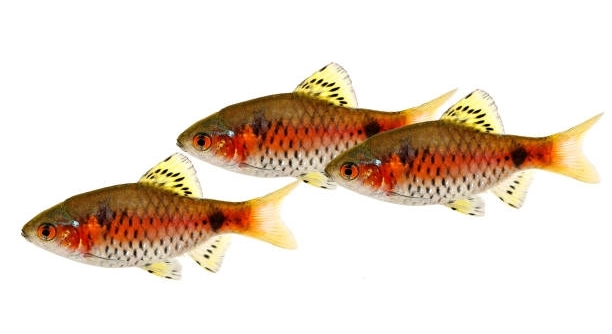
Are your rosy barbs spending more time hovering in place or ignoring their surroundings instead of swimming actively around their tank?
Rosy barbs often appear bored due to a lack of stimulation in their environment. Adding plants, tank mates, enrichment objects, or adjusting water flow can significantly improve their activity levels and overall well-being.
Enriching their tank with thoughtful additions can transform their behavior and help them thrive in a more dynamic, engaging aquatic space.
Add Floating Plants for Shade and Comfort
Floating plants like duckweed or water lettuce give rosy barbs a more natural feel in their tank. These plants help soften the light, provide hiding areas, and reduce stress by making the environment feel safer. Rosy barbs are naturally curious and active fish, but too much exposure and bright light can make them feel exposed. Floating plants help reduce this problem without requiring major changes to your setup. They also improve water quality by absorbing excess nutrients. When rosy barbs feel more comfortable, they are more likely to swim actively, explore, and interact with their surroundings.
These plants are easy to maintain and grow quickly with proper lighting. They also don’t take up space at the bottom of the tank, allowing for other additions later.
Make sure the floating plants don’t block too much light or air from reaching the rest of the tank. Thin them out as needed to keep things balanced.
Introduce Tank Mates for Social Interaction
Rosy barbs are schooling fish and enjoy the company of their own kind. Without companions, they may lose interest in their environment and become less active.
Adding more rosy barbs, ideally in groups of five or more, helps keep them stimulated. Their social behavior encourages swimming, chasing, and exploring together. You can also consider compatible species like danios or platies to add variety. Avoid slow or long-finned fish, as rosy barbs can sometimes nip when bored. A properly stocked tank keeps the energy balanced and reduces aggression. It also mimics their natural behavior in the wild, where they thrive in groups. A mix of active, peaceful fish makes the environment feel more alive and encourages natural movement. Keep in mind your tank size when adding new fish. Overstocking leads to stress and poor water conditions, which can undo your efforts. A balanced and social tank is key to keeping rosy barbs active and happy.
Add Live Plants for Exploration and Shelter
Live plants give rosy barbs something to explore and interact with. They create shelter, improve water quality, and help reduce boredom by adding natural texture and movement to the tank.
Java fern, hornwort, and anubias are great beginner-friendly options. These plants don’t require intense lighting or special substrate, making them easy to care for. They also tolerate nibbling, which rosy barbs are known for. Adding plants along the edges and background of the tank gives the fish space to swim while offering shaded areas to retreat to. This setup encourages more natural behaviors like darting through leaves or resting behind stems. Live plants also support better water conditions by absorbing nitrates, which keeps the environment healthier. Spread them out to create a balanced layout and avoid overcrowding. Fish often feel more secure with cover, which reduces stress and increases activity levels throughout the day.
Keep the plants trimmed and healthy to maintain enough space for swimming. Neglected plants can block light and limit oxygen levels, affecting overall tank health.
Increase Water Movement for Activity
Rosy barbs enjoy moderate currents, and boosting water flow can make them more active. It encourages swimming against the current, which helps with both stimulation and exercise.
Use a sponge filter, wavemaker, or adjustable powerhead to create varied flow in the tank. Avoid harsh currents that can exhaust the fish, especially in smaller tanks. The goal is to mimic the gentle movement of streams where rosy barbs naturally live. A well-placed current helps keep debris suspended for easier filtration and also improves oxygen levels in the water. Some fish will swim directly into the flow, while others may use calmer areas to rest. This setup gives them choice and variety throughout the day. Adding driftwood or plants helps break up flow, giving them places to pause. Monitor their behavior and adjust if needed. A balanced flow keeps rosy barbs engaged and healthier without overwhelming their environment.
Use Mirror Play Occasionally
A small mirror placed outside the tank for a few minutes can spark short bursts of activity. Rosy barbs may react to their reflection, mistaking it for another fish, which encourages swimming and display behaviors.
Avoid using the mirror too often. Overexposure can cause stress instead of stimulation. Limit it to a few minutes weekly.
Rearrange Tank Decor Sometimes
Changing the layout of the tank can refresh your rosy barbs’ interest. Moving plants, rocks, or driftwood creates new areas to explore and helps prevent boredom. These changes encourage natural curiosity and keep the fish active.
Add Feeding Variety
Offering different foods keeps their interest and promotes better health. Mix high-quality flakes, sinking pellets, blanched vegetables, and frozen treats like brine shrimp or bloodworms. Feed in small amounts and rotate options to avoid overfeeding and to maintain water quality. Variety in diet can also trigger livelier behavior during feeding time.
Provide Resting Spots
Flat rocks, wide plant leaves, or smooth decorations offer places to rest between swimming. These spots help balance activity and reduce stress.
Why do my rosy barbs look bored even with plenty of space?
Rosy barbs need more than just space to stay active. Without stimulation, such as plants, tank mates, or water movement, they may become listless. Large empty tanks can feel dull to them. Their natural environment is full of hiding spots, plants, and currents, which encourage movement and exploration. Simply increasing tank size won’t address boredom if the environment lacks variety and interaction. Adding different textures, flow, and companions makes the space feel more alive and keeps them engaged.
How often should I rearrange the tank decor?
Rearranging decor every few weeks or once a month is enough to renew your fish’s interest. Frequent changes can cause stress because fish like stable environments. When you move plants or decorations, they need time to adjust. Small, subtle changes work best, like shifting a rock or moving a plant slightly. This creates new exploration opportunities without overwhelming the rosy barbs. Watch their behavior after rearranging and give them days to settle in.
Can rosy barbs live alone if given plenty of enrichment?
Rosy barbs are social fish and generally do best in groups. Even with enrichment like plants and water flow, they rely on social interactions for stimulation. A single rosy barb may become bored or stressed over time. If you prefer fewer fish, keep at least three to provide some companionship. Their natural behavior is to swim in schools, which encourages activity and reduces aggression. Without other rosy barbs, they may hide more or become lethargic despite enrichment.
Are live plants necessary or can artificial plants work?
Live plants are ideal because they improve water quality, offer natural shelter, and encourage exploration. They create oxygen and absorb nitrates, which help maintain a healthier tank. Artificial plants provide hiding spots but lack these benefits. Some artificial plants can be sharp or rough, potentially harming rosy barbs. If you choose artificial plants, pick soft, smooth ones and clean them regularly to avoid algae buildup. Combining live and artificial plants is an option if maintaining live plants is difficult.
What types of foods can help reduce boredom?
Offering a variety of foods keeps feeding time exciting for rosy barbs. Use flakes, pellets, frozen or live foods like brine shrimp and bloodworms, and blanched vegetables such as zucchini or spinach. Rotating these foods prevents boredom and promotes balanced nutrition. Feeding small amounts multiple times a day encourages natural foraging behavior. Avoid overfeeding, which can lead to water quality problems and health issues. Feeding enrichment toys or floating food at different tank levels can also stimulate activity.
How much water movement is ideal for rosy barbs?
Moderate water flow is best for rosy barbs. It should simulate the gentle currents of their natural streams without being too strong. Strong currents can tire them out or cause stress, especially in smaller tanks. A sponge filter or adjustable powerhead can create the right amount of movement. Observe your fish to see if they enjoy swimming against the flow or prefer calmer areas. Adding plants or decorations to break the current creates zones of varying flow, offering choices for the fish.
Can rosy barbs get stressed from too much stimulation?
Yes, overstimulation can cause stress. Too many decorations, constant rearranging, or excessive water movement may overwhelm rosy barbs. They need balance—enough variety to stay active but not so much that it causes anxiety. Stress shows as hiding, loss of appetite, or erratic swimming. Introduce changes gradually and observe behavior. Maintain good water quality and stable tank conditions to reduce stress. Providing resting spots and calm areas is just as important as enrichment.
How many rosy barbs should I keep together?
Rosy barbs do best in groups of five or more. Smaller groups can cause stress or aggression because they rely on schooling for social comfort. Larger groups encourage natural behavior like chasing and swimming in formation, which keeps them active. Avoid overcrowding by matching group size to tank dimensions. Overcrowding leads to poor water quality and stress, while too few fish reduce social interaction. Proper group size balances activity and health.
Are there any tank mates that can help reduce boredom?
Compatible tank mates like danios, platies, or other peaceful, active fish can encourage rosy barbs to be more lively. These species share similar water needs and temperaments. Avoid slow-moving or long-finned fish, which rosy barbs may nip if bored. Introducing a variety of active fish creates a dynamic environment that stimulates natural behaviors. Always research compatibility and monitor interactions to prevent aggression. Adding tank mates adds social complexity that reduces boredom.
Is lighting important for keeping rosy barbs active?
Yes, lighting affects their activity and well-being. Moderate lighting mimics natural conditions and supports live plant growth. Too bright lighting can stress fish and cause hiding, while too dim lighting may reduce activity. Use a timer to maintain consistent day and night cycles. Natural daylight spectrum bulbs work best for plant growth and fish comfort. Adjust lighting to balance visibility and fish behavior. Proper lighting encourages normal swimming patterns and interaction with the environment.
When rosy barbs seem bored, it often means their tank environment needs some changes. These fish thrive best in conditions that provide stimulation and variety. Simple additions like live or floating plants, proper water movement, and tank mates can make a big difference in their behavior. These elements help recreate their natural habitat and encourage more natural activity, keeping them lively and healthy. Without these features, rosy barbs can become inactive or stressed, which affects their overall well-being.
Adjusting the tank regularly, such as rearranging decorations or changing up their diet, can also help keep rosy barbs interested in their surroundings. These small changes prevent the tank from becoming too predictable, which can lead to boredom. It is important to balance stimulation with stability because too much change can cause stress. Providing hiding spots and resting places offers them comfort and security. By paying attention to their behavior and making gradual adjustments, you can create a more engaging and supportive environment.
Overall, creating a dynamic and balanced habitat is key to preventing boredom in rosy barbs. Adding plants, tank mates, and water flow enriches their space, while variety in food and occasional changes keeps them active. Monitoring their health and behavior regularly helps ensure they are comfortable and content. With some effort and care, it is possible to maintain an aquarium that supports the natural instincts of rosy barbs, making them more vibrant and enjoyable to watch.

Hello,
If you enjoy the content that we create, please consider saying a "Thank You!" by leaving a tip.
Every little bit helps us continue crafting quality advice that supports the health, happiness, and well-being of pets around the world, for pets of all shapes, sizes, and species.
We really appreciate the kindness and support that you show us!