
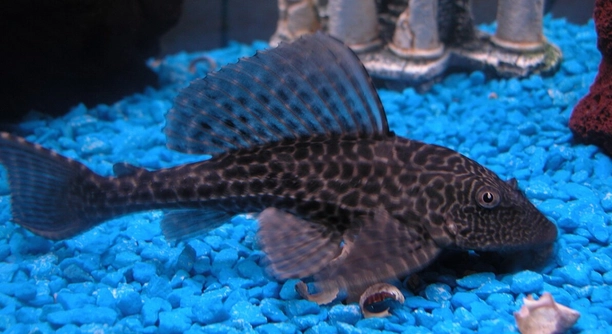
If your pleco seems restless in its tank, it could be a sign of discomfort or unmet needs. Understanding these behaviors can help create a better environment for your fish. This article will explore seven things you can add to help calm your pleco.
Adding plants, caves, and improving water quality can significantly reduce restlessness in plecos. Plecos often feel more secure with hiding spots and stable water conditions. Additionally, providing sufficient space and proper food can also help in minimizing stress.
Making small changes to your pleco’s environment can improve its overall health and well-being. Adding these simple elements will allow your fish to feel more comfortable and less anxious. Continue reading for some helpful tips!
Add More Hiding Spots
Plecos are naturally shy and enjoy hiding to feel safe. If your tank doesn’t have enough hiding spots, your pleco may become stressed or restless. Adding caves, driftwood, or dense plants will provide your pleco with the security it needs. These additions mimic their natural environment, offering them a chance to retreat and relax when they feel threatened. Hiding spots also encourage plecos to stay active and explore, preventing boredom.
Without places to hide, your pleco may become agitated, swimming aimlessly or hiding in corners. When plecos feel exposed, it can negatively affect their behavior and health. By adding caves or plants, you are creating a more comfortable environment where they can retreat when needed.
Ensuring your pleco has hiding spots can help it feel more secure in its tank. Plecos are nocturnal, and they tend to hide during the day. They need a place to rest and feel protected from other fish in the tank. Natural-looking caves or thick plants work well and enhance your aquarium’s aesthetic.
Improve Water Quality
Water quality plays a significant role in your pleco’s behavior. If the water conditions aren’t ideal, your pleco might become restless. Regularly check the water’s temperature, pH, and hardness. A consistent and clean environment is crucial for their health and comfort.
Plecos require stable water conditions. Sudden changes can cause stress, making them feel uneasy. Keeping your water parameters in check, such as ensuring it is free from high levels of toxins, can prevent agitation and restlessness. Regular water changes will also keep your pleco happy and healthy.
Maintaining good water quality is one of the easiest ways to ensure your pleco isn’t feeling stressed or uncomfortable. By using water conditioners or a high-quality filtration system, you can maintain clear, safe water for your pleco. Check ammonia and nitrate levels regularly to avoid buildup, as these can affect your fish’s behavior. Clear water will not only calm your pleco but also reduce the risk of disease, allowing it to thrive in a healthy environment.
Provide a Varied Diet
A varied diet can help reduce restlessness in your pleco. If your fish is only getting one type of food, it might become bored or malnourished. Adding a variety of vegetables, algae wafers, and protein-rich foods will provide the necessary nutrients and keep your pleco active.
Plecos are omnivores and thrive on a mixture of plant-based and protein-rich foods. Offer leafy greens like zucchini, spinach, or cucumber along with algae wafers or sinking pellets. This will keep them engaged and help maintain a balanced diet, which is vital for their health and well-being. You can also supplement with occasional protein sources like bloodworms or brine shrimp.
By providing a variety of food, you give your pleco the opportunity to exhibit natural foraging behavior. They’ll stay occupied with different textures and flavors, reducing stress caused by monotony. It also ensures your pleco is getting a well-rounded diet, which will improve its overall vitality and reduce any signs of restlessness.
Add More Plants
Adding more plants to your aquarium provides plecos with additional hiding spots and surfaces to graze on. Live plants help mimic their natural environment, creating a more comfortable space. Plecos are herbivores and love to nibble on soft plant matter, which can also improve water quality by absorbing excess nutrients.
Plants like java fern, anubias, and mosses are great choices for plecos. They grow well in a variety of water conditions and offer both hiding spots and grazing opportunities. These plants can help reduce stress by providing your pleco with places to rest or hide when feeling vulnerable. Additionally, their roots and leaves give your pleco an area to forage, keeping it occupied and satisfied.
More plants also help oxygenate the tank, improving overall water conditions. The presence of plants reduces the buildup of harmful substances like nitrates and provides your pleco with a more natural and stable environment. A well-planted tank not only calms your fish but also adds beauty and balance to the aquarium.
Increase Tank Size
If your pleco seems restless, the tank size could be a factor. Plecos can grow large and require plenty of space to swim freely. A cramped environment can lead to stress and undesirable behaviors. Increasing the size of the tank provides your pleco with the room it needs to thrive.
A larger tank helps distribute waste more effectively, keeps water conditions stable, and provides more areas for your pleco to explore. It also reduces territorial issues that may arise if your pleco is kept in a tank that’s too small. A bigger space makes it easier to maintain the proper water quality and reduce stress.
For a pleco, a minimum of 50 gallons is recommended, with even larger tanks preferred as they grow. The extra room will allow them to behave more naturally and prevent restlessness. As your pleco matures, it will need additional space to swim and forage, ensuring long-term happiness.
Add Water Movement
Plecos often appreciate gentle water movement in their environment. Adding a water pump or filter that creates subtle current can help mimic the conditions of their natural habitat. It also encourages plecos to engage more, reducing feelings of stress.
Plecos are bottom dwellers, but they enjoy water that’s slightly moving. A soft current can provide them with a sense of comfort and keep them from feeling stagnant or trapped in still water. Having water movement not only adds to their physical activity but also helps with filtration and oxygen levels.
A slight water flow simulates their natural river habitats, where they often encounter moving water. By adding water movement, you provide more stimulation, making your pleco feel more at home and less likely to act restlessly in an inactive tank.
Ensure Proper Tankmates
Sometimes, restlessness in your pleco is due to its tankmates. Overly aggressive or overly active fish can stress out your pleco. Make sure the other fish in the tank are compatible with your pleco’s calm and solitary nature. Consider choosing peaceful species that won’t compete for food or space.
If your pleco is constantly hiding or swimming erratically, it might be stressed by the behavior of its tankmates. For example, species that are too active or territorial can disturb a pleco, making it restless. Selecting calm fish will create a harmonious environment.
FAQ
Why is my pleco constantly swimming up and down?
If your pleco is swimming up and down repeatedly, it may be stressed, bored, or lacking enough space. Plecos are bottom dwellers, but when they don’t have enough hiding spots or space to explore, they may swim aimlessly. Check if the tank is large enough and provide hiding places to help reduce this behavior. It could also be related to water quality, so ensure that the conditions are ideal.
Can I keep multiple plecos in the same tank?
You can keep multiple plecos in the same tank, but you should be cautious. Plecos are territorial, especially when they are not provided with enough space. If the tank is too small or there are not enough hiding spots, plecos might become aggressive toward each other. It’s usually recommended to have at least one pleco per 50-gallon tank, with plenty of places for them to retreat to. Additionally, ensuring that the species you have are compatible with each other will help avoid territorial disputes.
How do I know if my pleco is stressed?
A stressed pleco may exhibit various signs, including erratic swimming, excessive hiding, loss of appetite, or changes in color. If your pleco starts darting around the tank, swimming aimlessly, or staying in one corner for long periods, it might be stressed. You may also notice that it is not eating properly or has developed a pale or darkened coloration. It’s important to address the cause of stress, whether it’s poor water conditions, incompatible tankmates, or lack of space.
How can I reduce the stress of my pleco?
To reduce stress in your pleco, start by ensuring proper tank conditions. Provide adequate hiding spots, such as caves, driftwood, or plants. Keep the water quality in check with regular water changes and proper filtration. Also, consider providing a varied diet to keep your pleco engaged. Finally, check the compatibility of tankmates to ensure no aggression is occurring. A peaceful and spacious environment is crucial for your pleco’s well-being.
Can my pleco survive in low-light conditions?
Plecos can tolerate low-light conditions, but they prefer moderate lighting, as it helps them feel more comfortable. In the wild, they live in shaded areas or murky waters, so they can adjust to lower light levels. However, low light might also affect the growth of plants in the tank, which are essential for their well-being. If you keep the lights too dim, it may not provide the necessary environment for your pleco to thrive, especially if the tank lacks natural plants.
How often should I feed my pleco?
Plecos should be fed once or twice a day. It’s important not to overfeed them as this can lead to water quality issues. Offer them a variety of foods, including algae wafers, vegetables like zucchini and cucumber, and occasional protein sources like bloodworms. If your pleco is very young, it may require more frequent feeding, but adult plecos do well with one or two feedings per day. Remove any uneaten food to avoid polluting the tank.
Why is my pleco not eating?
If your pleco is not eating, it could be due to poor water conditions, stress, or illness. First, check the water parameters such as temperature, pH, and ammonia levels. A sudden change in water conditions can cause a pleco to stop eating. Stress from aggressive tankmates, overcrowding, or lack of hiding spots can also cause a loss of appetite. If the water and environment seem fine, and your pleco continues to refuse food, it may be sick, and you should consider consulting an aquarium specialist.
How long do plecos live in a tank?
Plecos can live for a long time in a well-maintained tank. Most species of plecos live around 10 to 15 years, with some even reaching up to 20 years. Their lifespan depends on the quality of care they receive, such as proper tank size, water quality, and diet. Providing a large enough space, good water filtration, and regular maintenance will help your pleco live a long and healthy life.
What tank size is best for a pleco?
The minimum tank size for a pleco is typically 50 gallons. This allows them enough space to swim freely and provides the necessary area for hiding spots. As plecos grow, they can reach sizes of 12-24 inches, depending on the species. Larger tanks will offer more room to explore, leading to a happier and less stressed fish. Keeping a pleco in a small tank can cause it to become restless, agitated, or unhealthy.
Do plecos need a heater in their tank?
Most plecos do best in tanks with a stable water temperature between 72°F and 80°F. If your tank is in a room with fluctuating temperatures, it’s a good idea to use a heater to maintain a consistent environment. Sudden changes in temperature can stress your pleco, leading to restlessness or illness. A reliable aquarium heater can help ensure that the water temperature stays within the optimal range, contributing to your pleco’s overall well-being.
Final Thoughts
When your pleco seems restless, it’s often a sign that something in its environment isn’t quite right. Plecos are relatively low-maintenance fish, but they do require specific conditions to feel comfortable and thrive. Providing your pleco with enough space, hiding spots, and good water quality will go a long way in ensuring it stays calm and happy. The right balance of these factors can make a noticeable difference in your fish’s behavior. If you notice your pleco swimming aimlessly or hiding too much, it’s worth checking these key elements.
Adding more plants, caves, and creating a stable water environment are all simple ways to improve your pleco’s well-being. These changes mimic their natural habitat, which helps reduce stress and encourages more natural behaviors. A pleco that feels secure will be more likely to stay active and healthy. Furthermore, feeding a varied diet is essential to keep your pleco engaged and well-nourished. Just like any fish, a balanced diet is key to preventing restlessness and ensuring long-term health.
It’s important to remember that plecos are individuals, and what works for one may not always work for another. Be patient as you observe your pleco’s behavior, and make adjustments as needed. With proper care, your pleco will likely calm down and adjust to its environment. Making these changes not only reduces stress but can also enhance the beauty of your aquarium. Creating a healthy, balanced space will help ensure that your pleco feels secure and content for years to come.

Hello,
If you enjoy the content that we create, please consider saying a "Thank You!" by leaving a tip.
Every little bit helps us continue crafting quality advice that supports the health, happiness, and well-being of pets around the world, for pets of all shapes, sizes, and species.
We really appreciate the kindness and support that you show us!