
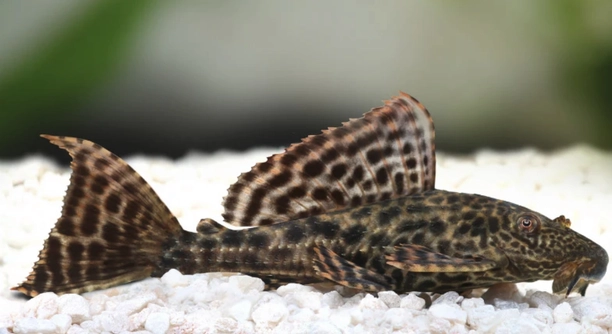
A healthy, happy pleco tank requires more than just water and food. If you’re looking to create the perfect environment for your plecos, there are a few simple additions that can make all the difference in their happiness and health.
To keep your plecos thriving, consider adding live plants, hiding spots, proper filtration, driftwood, and a good substrate. These elements help mimic their natural habitat, reduce stress, and provide essential enrichment. Regular maintenance is also crucial.
Adding these items to your pleco tank can significantly improve their well-being. From creating cozy hiding places to ensuring clean water, every small change makes a big impact.
Live Plants for a Natural Touch
Adding live plants to your pleco tank is one of the best ways to improve water quality and provide hiding spaces for your plecos. Plants absorb excess nutrients, reduce algae growth, and create a more natural-looking environment. Plecos enjoy having plants to hide behind or nibble on, and they also help break up the visual space in the tank, making your fish feel safer.
When choosing plants, it’s important to select ones that can thrive in the same water conditions as your pleco. Hardy plants like Java fern, Anubias, and Amazon sword work well in a pleco tank. These plants are not only easy to care for but also grow at a slow pace, so you won’t have to worry about trimming them too often.
Plant roots also provide a surface for beneficial bacteria to grow, helping to keep your tank clean. Make sure you position the plants in a way that plecos can easily navigate, offering them enough space to hide or swim freely.
Providing Hiding Spots
Plecos need hiding spots to feel secure in their environment. Caves, rocks, or driftwood create natural shelters.
Plecos are nocturnal and tend to stay hidden during the day, making these hiding places essential for their well-being. It also helps reduce stress, which can improve their overall health and longevity.
Proper Filtration for Clean Water
A good filtration system is essential for any pleco tank. Plecos produce a lot of waste, and without proper filtration, the water quality can quickly decline. A powerful filter helps remove debris and keeps the water clean, ensuring a healthy environment for your fish.
Choose a filter that is strong enough for the size of your tank. A good rule of thumb is to have a filter that can cycle the entire tank’s water at least 4 times per hour. This keeps the water clean and removes excess waste before it affects the plecos.
You also want to ensure that the filter isn’t too strong, as plecos prefer slow-moving water. Look for filters with adjustable flow rates or those designed for larger tanks. Regular maintenance of the filter, like cleaning or replacing the media, is important to keep the system running efficiently.
Driftwood for Natural Structure
Driftwood serves as both a hiding spot and a source of enrichment for plecos. It mimics the natural environment, giving your plecos something to interact with, and provides essential benefits to water quality.
Plecos love to rasp on driftwood, which helps keep their teeth healthy and trimmed. The wood slowly releases tannins into the water, which can slightly lower the pH and create a more natural, softer environment. This is especially beneficial for certain pleco species that thrive in acidic conditions.
Be sure to choose driftwood that is safe for aquariums. Some types may leach too many tannins or may not be suitable for aquatic life. Always rinse the driftwood thoroughly before placing it in the tank to avoid introducing harmful bacteria or chemicals.
Substrate for Healthy Ground
Choosing the right substrate is important for both the pleco and the overall tank environment. A soft, fine-gravel or sand substrate is ideal for plecos, as it allows them to dig and burrow comfortably. It also prevents damage to their sensitive barbels.
Avoid sharp substrates, as these can harm your pleco’s delicate sensory organs. Sand or smooth pebbles are the best options. Additionally, a well-chosen substrate can help establish beneficial bacteria, promoting a healthier tank ecosystem.
Adequate Tank Size
A larger tank ensures your plecos have enough room to swim, explore, and grow. Small tanks can lead to overcrowding, which causes stress and poor water quality.
Plecos can grow quite large, depending on the species. A tank size of at least 75 gallons is ideal for most adult plecos. Providing this space will reduce stress and improve your pleco’s health over time.
Tank Temperature and Water Parameters
Plecos prefer stable, warm water, usually between 72°F to 78°F. Make sure to maintain a consistent temperature with a reliable heater.
Along with temperature, check your water parameters regularly. Plecos thrive in slightly acidic to neutral water, with a pH range of 6.5 to 7.5. Keep the water clean and free from harmful chemicals like ammonia and nitrites to ensure the health of your plecos.
FAQ
What do plecos eat?
Plecos are primarily herbivores but will also consume small amounts of protein. Their diet mainly consists of algae, plant matter, and sinking pellets. Algae wafers, spinach, zucchini, and cucumber are excellent additions to their diet. It’s important to provide a varied selection to keep them healthy and satisfied.
Feeding plecos a mix of plant-based foods and occasional protein, like shrimp or bloodworms, ensures they get all the nutrients they need. You can also include driftwood, as plecos love rasping on it, which helps with digestion and keeps their teeth healthy.
How often should I feed my pleco?
Plecos typically don’t require daily feeding if there’s enough algae in the tank for them to graze on. However, you should feed them supplementary food 2-3 times a week. If your tank doesn’t have enough algae, you may need to provide food more frequently.
Overfeeding plecos can lead to poor water quality, so it’s best to monitor their food intake carefully. Remove any uneaten food after a few hours to avoid it decomposing and affecting the tank’s water parameters.
Do plecos need a light cycle?
Yes, plecos benefit from a natural light cycle. Although they are nocturnal, they still need a regular day-night cycle to maintain their biological rhythm. A light cycle of 10-12 hours of light per day mimics their natural environment and keeps them healthy.
Too much light can encourage excessive algae growth, while too little light can disrupt their natural behaviors. Use a timer to regulate the lights in your tank, ensuring the plecos get a proper rest period.
Can plecos live with other fish?
Plecos are generally peaceful fish and can live with many other species, as long as the tank isn’t overcrowded. They do well with other peaceful fish like tetras, guppies, and angelfish. However, it’s best to avoid aggressive species, as plecos can be shy and might become stressed.
Ensure the other fish in the tank don’t compete with plecos for food. If you have other bottom-dwelling fish, there may be territorial conflicts, so consider tank mates that don’t crowd the pleco’s space.
How do I know if my pleco is healthy?
A healthy pleco is active during the night, has a well-maintained body, and feeds regularly. Its eyes should be clear, and it should have smooth, shiny skin without lesions or wounds. Make sure the pleco is regularly rasping on driftwood and actively feeding on plant matter.
If your pleco becomes lethargic, refuses to eat, or shows signs of disease like unusual skin patches or fin rot, these could be indicators of poor health. In such cases, immediately assess your water quality and consult with a veterinarian if necessary.
Why is my pleco turning white?
A pleco turning white can be a sign of several health issues. It could be due to poor water conditions, stress, or a disease like ich, which causes white spots to appear on the skin. Other possible causes include parasites or a fungal infection.
To treat a pleco with white patches, check water parameters first and make any necessary adjustments. If the condition doesn’t improve, it might be best to isolate the pleco and treat it with the appropriate medication. A visit to an aquatic vet may be needed to get a precise diagnosis.
Do plecos need to be quarantined?
Quarantining new plecos or any new fish is a good practice. This ensures that you’re not introducing any diseases or parasites into your established tank. Keep the new fish in a separate tank for at least two weeks before adding them to your main aquarium.
Even though plecos are generally hardy, they can still carry diseases that might not show immediate symptoms. A quarantine period helps protect the health of your other fish.
How do I prevent my pleco from getting too big for the tank?
To prevent your pleco from outgrowing your tank, consider the species before purchasing. Some plecos, like the common pleco, can grow up to 24 inches, while others remain smaller. Always research the expected size of the pleco before adding it to your aquarium.
If your pleco starts outgrowing your tank, it may be time to upgrade to a larger one. Giving them space to grow helps ensure they stay healthy and stress-free. In cases where relocation isn’t possible, consider rehoming the pleco to a more suitable tank.
What is the best temperature for a pleco tank?
The best water temperature for plecos is between 72°F and 78°F. Plecos are native to tropical regions and prefer warm water. Make sure to maintain a stable temperature within this range using a reliable heater, as sudden fluctuations can cause stress and make your pleco more susceptible to illness.
If the water temperature consistently drops below this range, your pleco might become sluggish or develop health issues. A thermometer in your tank will help keep track of any temperature changes.
Can plecos live in cold water tanks?
Plecos are tropical fish and do not tolerate cold water well. They thrive in warm, stable temperatures, typically between 72°F and 78°F. While some pleco species may tolerate slightly cooler water for short periods, long-term exposure to cold water can severely impact their health.
If you have a cold-water tank, it’s not recommended to keep a pleco in it. Consider investing in a heater to maintain a suitable environment for your pleco’s long-term well-being.
Final Thoughts
Creating a happy and healthy pleco tank doesn’t require anything overly complicated. The key is to replicate their natural environment as much as possible by providing them with the right water conditions, food, and hiding spots. With proper care, plecos can thrive in your aquarium for many years, bringing beauty and enjoyment to your space.
It’s important to remember that plecos are unique creatures that require specific attention. Their needs may differ depending on the species, so understanding the exact requirements for the pleco you own is crucial. In addition to the basic essentials like plants, driftwood, and filtration, regular maintenance is essential. Keeping your tank clean, monitoring water parameters, and making sure they have enough space to grow are all part of creating the ideal environment for them.
By focusing on these simple elements—good filtration, appropriate diet, and a comfortable tank setup—you can keep your pleco happy and healthy. Watching them interact with their surroundings, graze on plants, or hide in their favorite spots is rewarding. Even though plecos can be low-maintenance compared to other aquarium fish, it’s still important to stay consistent with their care. With a little effort, you’ll provide them with a thriving home.

Hello,
If you enjoy the content that we create, please consider saying a "Thank You!" by leaving a tip.
Every little bit helps us continue crafting quality advice that supports the health, happiness, and well-being of pets around the world, for pets of all shapes, sizes, and species.
We really appreciate the kindness and support that you show us!