
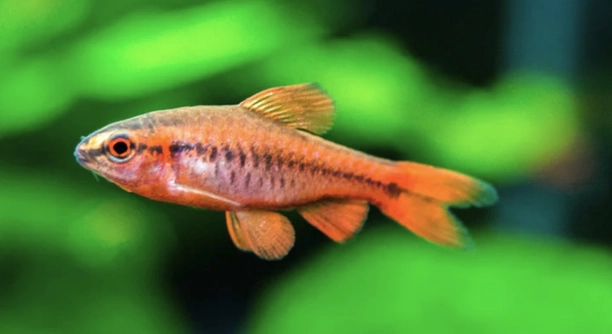
Have you ever brought home new fish only to realize your tank might not be ready for them just yet? Cherry barbs, though hardy, still need a proper environment to thrive right from the start.
Before getting cherry barbs, it is essential to establish a stable tank environment with proper cycling, compatible tank mates, live plants, and hiding spots. Monitoring water parameters and maintaining a consistent care routine are also necessary for their long-term health.
Adding these essentials before their arrival will help your cherry barbs adjust smoothly and bring life to your tank with fewer issues.
Make Sure Your Tank Is Fully Cycled
Setting up a proper tank for cherry barbs begins with cycling. This process builds up beneficial bacteria that help break down waste. Without a cycled tank, toxic ammonia and nitrite levels can spike and harm your fish. It typically takes four to six weeks to cycle a tank fully. You can use fish food or bottled ammonia to feed the bacteria, and test the water weekly for ammonia, nitrite, and nitrate levels. Once ammonia and nitrite read zero and nitrates are present, your tank is ready. Cherry barbs are small, but they still need a stable environment to stay healthy.
Cycling your tank creates a stable foundation and prevents early problems like illness, stress, or sudden death. This step is not optional—it’s necessary.
It’s tempting to rush and add fish right away, but giving the tank time to stabilize will save you effort and heartache later. Patience here really pays off.
Add Live Plants and Hiding Spots
Live plants help improve water quality and make cherry barbs feel more secure. They mimic the natural habitat these fish are used to.
A mix of floating and rooted plants works well. Floating plants like duckweed or hornwort provide shade and reduce stress. Rooted plants such as java fern or anubias offer great coverage and help create boundaries in the tank. Cherry barbs are peaceful but can get startled easily. Providing plenty of hiding spots—plants, caves, or decorations—lets them feel safe and reduces aggressive behavior. A secure fish is a healthier fish. Decorations with soft edges also work well, but avoid sharp objects that could tear their fins. Besides comfort, plants absorb nitrates and stabilize oxygen levels. Low-light plants are often easier to maintain and still give the tank a natural look. You do not need an advanced setup—just aim for variety and balance. This makes the tank both functional and visually appealing.
Check Water Parameters Regularly
Keeping the water clean isn’t enough—you need to monitor what’s in it. Cherry barbs are sensitive to shifts in ammonia, nitrite, nitrate, pH, and temperature, so testing regularly is important for their health.
Use a liquid test kit to check ammonia, nitrite, and nitrate levels once or twice a week, especially in the beginning. Aim for zero ammonia and nitrite, and keep nitrates below 40 ppm. Cherry barbs prefer a pH between 6.5 and 7.5, and water temperature between 74–78°F. Fluctuations stress them out and lead to illness. A digital thermometer can help you stay consistent. If anything seems off, do a partial water change and double-check your filter. This isn’t about perfection—it’s about balance. Stable conditions will keep your barbs active and colorful.
Water changes help remove buildup and replenish minerals. Do 20–30% changes weekly, using a gravel vacuum to clean debris. Always match the new water’s temperature and treat it for chlorine.
Choose Peaceful Tank Mates
Cherry barbs do best in groups of six or more, and they also get along with many peaceful species. Picking the right neighbors helps prevent stress and injuries. Avoid aggressive or fin-nipping fish.
Good companions include corydoras, small rasboras, harlequin fish, and peaceful tetras. These species don’t compete aggressively for food or territory, making them ideal for a calm community tank. Keep in mind that cherry barbs are mid-level swimmers, so it helps to include bottom dwellers and top swimmers to spread activity throughout the tank. Overcrowding leads to stress, so always consider the size of your tank before adding more fish. A 20-gallon tank is a good starting point for a group of cherry barbs and a few compatible tank mates. Proper planning helps create a balanced, healthy space where all species can thrive without conflict.
Avoid Strong Water Flow
Cherry barbs prefer slow-moving water. Strong currents from power filters or air pumps can make them feel stressed and tired. They are active swimmers but need gentle flow to move comfortably in all areas of the tank.
Use a sponge filter or adjust your current filter’s output. Adding plants or decorations can also help break the flow. Watch your barbs—if they’re constantly swimming against the current or hiding, the flow might be too strong.
Feed a Balanced Diet
Cherry barbs eat a variety of foods, and mixing it up helps keep them healthy. Offer a base of high-quality flakes or micro pellets daily. Supplement with frozen or live foods like brine shrimp or daphnia a few times a week. Vegetables like blanched spinach or zucchini can also be added occasionally. Overfeeding can cause water issues, so feed small amounts they can finish in under two minutes. Rotate food types to ensure they get all the nutrients they need. A balanced diet supports strong color, energy, and immune health without clouding the water or clogging the filter.
Quarantine New Fish
Quarantining new fish helps keep your cherry barbs safe. Diseases and parasites often go unnoticed during purchase, and a separate tank gives you time to observe and treat them if needed. Keep new arrivals separate for at least two weeks.
FAQ
How many cherry barbs should I keep together?
Cherry barbs are schooling fish and feel most comfortable in groups of at least six. Keeping them in smaller numbers can lead to stress and timid behavior. A group allows them to interact naturally and display better color and activity. For a more balanced tank, aim for an even mix of males and females to reduce aggression between males. In larger groups, they tend to be more active, less aggressive, and overall healthier. If space allows, keeping ten or more will bring out more natural behaviors and give them room to spread out in the tank.
Do cherry barbs nip fins?
Cherry barbs are not known for fin-nipping. They are peaceful fish and generally keep to themselves or stay with their group. However, if kept in too small a group or in a crowded tank, they may become more territorial or stressed, which can change their behavior. Make sure they have enough space, proper companions, and a balanced male-to-female ratio. If they are nipping, it’s likely due to poor tank conditions or incompatible tank mates. Fixing the group size or rearranging decorations can help calm the situation without needing to remove fish from the tank.
Can I keep cherry barbs with shrimp?
Yes, cherry barbs can live with shrimp, but there are a few things to keep in mind. Adult shrimp like Amanos or larger cherry shrimp usually do fine. Small shrimp or baby shrimp, however, may get eaten. Cherry barbs may nip at tiny, moving creatures out of curiosity or hunger. To improve the shrimp’s chances, provide lots of hiding places—moss, plants, or small crevices work well. Feeding the barbs properly also helps reduce their interest in hunting shrimp. Overall, it’s possible, but not without risk, especially for small or freshly molted shrimp.
How often should I feed cherry barbs?
Feed cherry barbs once or twice a day, but only what they can finish in under two minutes. Overfeeding is a common issue that leads to poor water quality. A small pinch of flakes, pellets, or frozen food is usually enough. If you feed twice a day, make the portions smaller. Vary their diet across the week to include protein and plant-based options. Always remove uneaten food after feeding to prevent ammonia buildup. Cherry barbs don’t need a lot of food at once—it’s more about consistent, varied feeding than quantity.
Do cherry barbs need a heater?
Yes, cherry barbs are tropical fish and need stable water temperatures between 74–78°F. A reliable aquarium heater helps maintain that range. Sudden drops in temperature can stress them and lead to illness. Always use a thermometer to monitor the water temperature. Avoid placing the tank in drafty areas or near windows, where fluctuations are common. Heaters with a built-in thermostat are easier to manage. Without a heater, room temperature may be too low, especially in colder months. Consistent warmth helps cherry barbs stay active, eat well, and maintain strong immune systems.
Are cherry barbs good for beginners?
Cherry barbs are a good choice for beginners because they are hardy and easy to care for. They adapt well to a variety of conditions, as long as the water is clean and stable. Their peaceful nature makes them easy to pair with other community fish. Just make sure their tank is cycled, and they have hiding spots and proper food. They are active but not demanding, and their bright color adds life to a tank. They don’t require special equipment, making them a low-maintenance but rewarding option for new fish keepers.
Final Thoughts
Cherry barbs are peaceful, colorful fish that can be a good choice for many home aquariums. They are active, easy to care for, and generally get along with other peaceful species. Before adding them to your tank, it helps to understand their basic needs. These include proper tank size, calm water flow, good water quality, and the right type of food. Keeping them in groups is important because they are social fish. When their environment is stable and well-planned, cherry barbs will thrive and show their best colors.
Making sure your tank is set up before bringing them home is one of the most helpful things you can do. Plants, hiding places, and proper filtration all play a role in keeping your fish healthy. Quarantining new fish, choosing calm tank mates, and maintaining a regular feeding schedule will support their long-term health. These steps also reduce stress and prevent many common issues. Taking the time to prepare means fewer problems later. Even simple setups can work well when they meet the needs of the fish.
Cherry barbs are not demanding, but they still rely on you for care. Watching them swim in a healthy tank is a relaxing and rewarding experience. With regular maintenance and some attention to detail, they will continue to do well. Whether you are new to fish keeping or have some experience, cherry barbs are a reliable addition that bring color and movement to your setup. A well-planned tank is not only better for the fish—it also makes your work easier in the long run.

Hello,
If you enjoy the content that we create, please consider saying a "Thank You!" by leaving a tip.
Every little bit helps us continue crafting quality advice that supports the health, happiness, and well-being of pets around the world, for pets of all shapes, sizes, and species.
We really appreciate the kindness and support that you show us!