
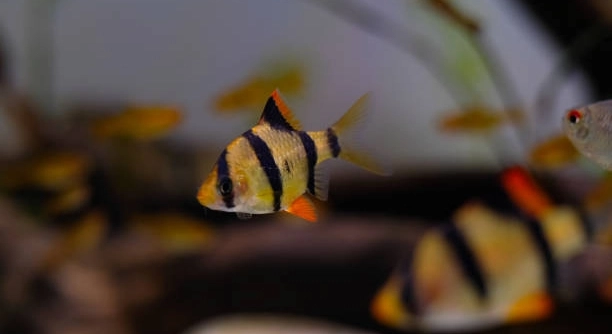
Tiger Barbs are lively and colorful fish that many aquarium lovers enjoy keeping. Their vibrant colors and active behavior make them a popular choice for both beginners and experienced hobbyists. Creating the right environment helps these fish thrive and show their best traits.
Tiger Barbs thrive best in setups that include plenty of swimming space, stable water conditions, hiding spots, plants, a balanced diet, compatible tank mates, and regular maintenance. These factors contribute to their health and natural behavior in captivity.
Knowing what makes Tiger Barbs comfortable can improve their wellbeing and make your aquarium a more enjoyable place for them to live. Understanding their needs is key to a happy tank environment.
Plenty of Swimming Space
Tiger Barbs are active swimmers who need room to move freely. In a cramped tank, they can become stressed and show aggressive behavior. A tank of at least 20 gallons is ideal for a small group, allowing enough space for swimming and playing. Open areas in the tank encourage their natural schooling behavior. They swim in groups and like to stay active, so providing space helps reduce tension among them. Without enough room, their energy can turn into unwanted fin nipping and chasing. Creating a balanced environment with open water and hiding places keeps them calm and happy. This makes observing their playful behavior more enjoyable.
Open swimming areas help Tiger Barbs stay healthy and less aggressive.
Providing ample space for Tiger Barbs is essential to their wellbeing. These fish are naturally energetic and social, often swimming in groups of six or more. When they have enough room, their schooling instinct helps keep aggression down, creating a more peaceful tank environment. Crowded conditions increase stress, which weakens their immune systems and can lead to illness. Along with open water, including plants and decorations allows Tiger Barbs to explore and feel secure. This mix of space and cover supports their natural habits and promotes long-term health. Careful planning of tank size and layout makes a big difference in their behavior and happiness.
Stable Water Conditions
Tiger Barbs thrive best in stable water with a temperature between 74°F and 79°F. Keeping pH between 6.5 and 7.5 creates a comfortable environment for them. Sudden changes in water quality or temperature cause stress and illness. Regular water testing helps maintain these conditions consistently. Using a reliable heater and filter supports stability.
Stable water reduces stress and promotes healthy behavior in Tiger Barbs.
Consistency in water parameters is crucial for Tiger Barbs. These fish are sensitive to rapid changes, which can lead to stress-related diseases or lethargy. Frequent water changes, about 25% weekly, help remove toxins and keep the water clean. A good filtration system ensures clear water and removes harmful substances. Monitoring ammonia, nitrite, and nitrate levels is also important. Avoid overcrowding to keep water quality high. Stable water conditions not only improve their health but also allow their colors to stay bright and vibrant. Creating a balanced and steady environment is key to enjoying lively and healthy Tiger Barbs in your aquarium.
Hiding Spots and Plants
Tiger Barbs feel safer with places to hide. Adding plants and decorations reduces stress and gives them security. They use hiding spots to rest or escape from more aggressive tank mates.
Live or artificial plants create natural barriers that help break up lines of sight, which lowers aggression. Tiger Barbs enjoy darting through plants and exploring caves or driftwood. Plants also improve water quality by absorbing nitrates and providing oxygen. Including varied hiding places encourages natural behavior, making the tank more interesting for the fish and more enjoyable for you. A mix of tall and short plants works best. Open swimming areas combined with safe retreats help keep Tiger Barbs calm and balanced in the tank.
Plants and decorations also add beauty to the aquarium. They give the tank a natural feel and create a lively environment. When choosing plants, consider species that can tolerate the water conditions preferred by Tiger Barbs, such as Java fern or Anubias. Avoid overcrowding the tank; balance is key. By combining greenery with rock formations or wood, you create a varied habitat that supports the fish’s well-being. These thoughtful touches enhance the overall health and happiness of your Tiger Barbs.
Balanced Diet
A balanced diet is vital for Tiger Barbs’ health. They eat flakes, pellets, and live or frozen foods. Variety helps meet their nutritional needs.
Providing high-quality flakes or pellets designed for tropical fish gives them essential vitamins and minerals. Supplementing with live or frozen foods like bloodworms, brine shrimp, or daphnia adds protein and stimulates their natural hunting instincts. Feeding small amounts two to three times daily prevents overeating and keeps water quality stable. Avoid overfeeding to reduce waste buildup, which can harm water parameters. A nutritious diet supports vibrant colors, active behavior, and overall longevity. Consistency in feeding routine also helps maintain a healthy appetite. Proper nutrition is a simple but effective way to keep Tiger Barbs thriving in your aquarium.
Compatible Tank Mates
Tiger Barbs are semi-aggressive and do best with fish that can handle their energy. Avoid slow or long-finned species that may get nipped. Good tank mates include other active, similarly sized fish like danios or barbs.
Choosing compatible species helps reduce stress and aggression in the tank. Keeping Tiger Barbs in groups of six or more also lowers fighting among themselves.
Regular Maintenance
Consistent tank cleaning is essential for Tiger Barbs’ health. Weekly partial water changes of about 25% keep ammonia and nitrate levels low. Cleaning the filter and removing debris also maintain water quality. Neglecting maintenance leads to poor conditions that can cause illness.
Proper Lighting
Moderate lighting suits Tiger Barbs best. Too bright lighting can stress them out, while dim light may dull their colors. A balanced light schedule, around 8-10 hours daily, supports plant growth and natural fish behavior. Proper lighting helps the tank look its best.
FAQ
What size tank do Tiger Barbs need?
Tiger Barbs need at least a 20-gallon tank for a small group. They are active swimmers and require plenty of space to move around. A larger tank helps reduce aggression by giving them room to establish territory and swim freely.
How many Tiger Barbs should be kept together?
It’s best to keep Tiger Barbs in groups of six or more. They are schooling fish and feel safer in groups. Smaller numbers can lead to increased aggression and stress as they may pick on each other more.
What water temperature is best for Tiger Barbs?
Tiger Barbs prefer water temperatures between 74°F and 79°F. Keeping the temperature steady within this range helps maintain their health and natural behavior. Sudden temperature changes can stress them and make them vulnerable to disease.
How often should I change the water?
Regular water changes are important. Changing about 25% of the water weekly helps keep ammonia, nitrites, and nitrates at safe levels. Clean water reduces stress and supports the fish’s immune system.
What should I feed Tiger Barbs?
Tiger Barbs eat flakes, pellets, and live or frozen foods like bloodworms or brine shrimp. A varied diet is best to meet their nutritional needs. Feeding small amounts two to three times daily prevents overfeeding and keeps water quality stable.
Can Tiger Barbs live with other fish?
Yes, but choose tank mates carefully. They do well with active fish that can handle their semi-aggressive nature. Avoid slow or long-finned fish that might get nipped. Good companions include danios, other barbs, and some catfish species.
Why are my Tiger Barbs nipping each other?
Nipping can happen if they are stressed, overcrowded, or bored. Keeping them in groups of six or more helps reduce this behavior. Also, ensure they have enough space, hiding spots, and a balanced diet to keep them calm.
Do Tiger Barbs need live plants?
Live plants are helpful but not required. They provide hiding spots, reduce aggression, and improve water quality. If live plants are not an option, artificial plants and decorations can work as well, as long as they create enough cover.
How bright should the aquarium light be?
Moderate lighting is best. Too much light can stress Tiger Barbs, while too little can dull their colors and affect plants. About 8-10 hours of light daily supports healthy fish and plant growth without causing stress.
What signs show that Tiger Barbs are healthy?
Healthy Tiger Barbs are active, swim in groups, and show bright colors. Their fins should be intact without tears or clamping. They eat well and react to their environment. Any signs of lethargy, faded color, or spots may indicate illness.
How can I reduce aggression in my Tiger Barbs?
Provide enough swimming space, keep them in groups of six or more, and include hiding places. Maintaining good water quality and feeding a balanced diet also helps reduce stress and aggression. Avoid overcrowding the tank.
What equipment is essential for Tiger Barbs?
A good filter to keep water clean, a heater to maintain stable temperature, and a light with a timer for consistent lighting are important. Decorations or plants for hiding spots improve their environment. Regular water testing equipment helps monitor conditions.
Taking care of Tiger Barbs means understanding what they need to live comfortably and happily. These fish are active and social, so providing plenty of swimming space and keeping them in groups is very important. A well-sized tank reduces stress and helps prevent aggression. Stable water conditions with the right temperature and pH also play a big role in their health. When the water quality is kept consistent, Tiger Barbs are less likely to get sick and more likely to show their natural, lively behavior.
Including hiding spots and plants in the aquarium helps Tiger Barbs feel secure. They like to have places where they can retreat or rest when they want to avoid too much activity. Live plants also improve the tank’s environment by adding oxygen and absorbing waste. Even artificial decorations can provide the shelter they need to reduce tension. Feeding them a balanced diet that includes flakes, pellets, and live or frozen food ensures they get all the nutrients necessary for growth and vibrant color. Proper feeding routines help keep the water clean and prevent overfeeding problems.
Maintaining the tank regularly is essential for long-term success. Changing part of the water weekly, cleaning the filter, and checking water parameters are simple steps that make a big difference. Also, choosing compatible tank mates and avoiding overcrowding create a peaceful community where Tiger Barbs can thrive. Lighting should be moderate to support plant growth and reduce stress on the fish. By paying attention to these basic needs, anyone can enjoy watching healthy, active Tiger Barbs in a beautiful, well-balanced aquarium. Consistency and care are the keys to a happy setup for these energetic fish.

Hello,
If you enjoy the content that we create, please consider saying a "Thank You!" by leaving a tip.
Every little bit helps us continue crafting quality advice that supports the health, happiness, and well-being of pets around the world, for pets of all shapes, sizes, and species.
We really appreciate the kindness and support that you show us!