
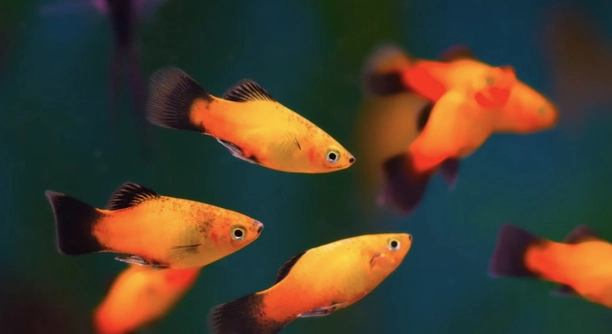
Platies are popular freshwater fish known for their bright colors and easy care. Many people enjoy keeping them in home aquariums as peaceful companions. Understanding what affects their lifespan can help keep them healthy longer.
Several factors can shorten a platy’s lifespan, including poor water quality, improper diet, overcrowding, stress, disease, sudden temperature changes, and lack of tank maintenance. Each of these can negatively impact their health and longevity if not managed properly.
Knowing these common risks will help you create a better environment for your platy. This guide highlights key points to protect your fish and promote a longer, happier life.
Poor Water Quality
Poor water quality is one of the main reasons platies may live shorter lives. When ammonia, nitrite, or nitrate levels rise, it becomes toxic to the fish. Dirty water can cause stress, infections, and damage to their delicate gills. If the pH level or hardness is not suitable, platies may struggle to survive. Frequent water changes and proper filtration are essential to maintain clean, stable water. Many beginners overlook testing their tank water regularly, which can lead to unnoticed problems. It’s important to use a water testing kit and change about 25% of the water weekly. Avoid overfeeding, as leftover food decays and pollutes the water. Keeping the tank clean creates a safer environment where platies can thrive without unnecessary stress or illness. Paying attention to water quality is the easiest way to protect their health and lengthen their lifespan.
Keeping the water clean helps prevent diseases and reduces stress for platies. Regular testing and partial water changes are key to this.
Changing water too often or too little can harm your platies. Balance is important. Removing 20–30% of water weekly keeps toxin levels low without shocking the fish. Filter maintenance ensures good circulation and helps remove waste. Avoid using soaps or chemicals when cleaning tank equipment, as these can be harmful. Also, avoid sudden large changes in water temperature or chemistry because platies are sensitive. Gentle care in maintaining the tank environment supports their immune systems and lowers the risk of early death. Small efforts make a big difference in their well-being.
Improper Diet
Feeding platies an unbalanced diet can shorten their lifespan. Platies are omnivores, needing both plant matter and protein. Feeding only flakes or only live food won’t meet their nutritional needs. Overfeeding can cause obesity and dirty water from leftover food, while underfeeding weakens their immune system. Variety is important — include high-quality flakes, frozen or live foods like brine shrimp or bloodworms, and some vegetable matter such as blanched spinach or peas. Avoid feeding human food or anything too fatty. A balanced diet supports their energy, growth, and color vibrancy. Monitoring how much they eat and removing uneaten food helps keep the tank healthy. Proper nutrition strengthens their defenses against disease and increases their lifespan, making diet a crucial part of platy care.
Too much or too little food impacts water quality and fish health. Feeding appropriate portions and variety promotes longer life.
A steady feeding routine with appropriate portions keeps platies healthy. Feeding small amounts once or twice daily prevents waste buildup and obesity. Including plant-based foods ensures they get fiber and vitamins, which aid digestion and boost immune function. Live or frozen protein adds important nutrients and variety to their diet. Avoid overfeeding to keep the water clean and the fish active. Proper diet combined with good water quality leads to stronger, longer-living platies that display their best colors and behavior.
Overcrowding
Overcrowding stresses platies and increases the risk of disease. Too many fish in one tank lowers oxygen levels and creates poor water conditions.
When a tank is overcrowded, platies compete for food and space, which can cause aggression and injuries. Waste buildup happens faster, making water quality decline rapidly. This weakens the fish’s immune systems, making them more vulnerable to illness. It also causes stress, which shortens their lifespan. Keeping the right number of platies per gallon ensures they have enough room to swim freely and reduces harmful toxins. A well-sized tank with proper filtration helps maintain balance and keeps the fish healthy and happy.
Limiting the number of fish reduces stress and disease spread. A larger tank can support more platies without overcrowding.
For platies, the general recommendation is one inch of fish per gallon of water. Overcrowding can make regular maintenance harder and water conditions worse. If you notice increased aggression or poor water quality, it may be time to reduce the number of fish or upgrade the tank. Maintaining a proper population size supports their health and longevity.
Stress Factors
Stress from sudden changes or constant disturbances affects platies’ health. Loud noises, frequent handling, or rapid temperature shifts increase stress.
Chronic stress lowers a platy’s resistance to disease and causes erratic behavior like hiding or loss of appetite. Tank mates that nip fins or bully platies also add to their stress. To minimize stress, keep the tank in a quiet area with stable temperatures between 70 and 80°F. Avoid tapping on the glass or sudden bright lights. Regular feeding schedules and gentle care help platies feel secure. A peaceful environment is key to keeping them healthy and extending their lifespan.
Disease and Parasites
Diseases and parasites are common threats to platies. Early signs like clamped fins or spots need quick attention.
Prevent illness by keeping the tank clean and quarantining new fish. Regular observation helps catch problems early, which can save your platy’s life.
Sudden Temperature Changes
Sudden temperature changes shock platies and weaken their immune systems. Consistent temperatures between 70 and 80°F are best for their health. Avoid placing the tank near drafts, heaters, or direct sunlight that cause rapid fluctuations. Stable warmth helps them stay active and reduces stress, improving their chances of living longer.
Lack of Tank Maintenance
Skipping tank maintenance allows waste and toxins to build up. This creates an unhealthy environment that harms platies and shortens their lives. Regular cleaning and filter checks keep conditions safe and stable. Neglecting these tasks increases the risk of disease and poor water quality.
FAQ
How often should I change the water in my platy tank?
Water changes are essential to keep your platies healthy. Ideally, change about 25% of the water once a week. This helps remove toxins like ammonia and nitrate and keeps water parameters stable. If the tank is overcrowded or heavily stocked, more frequent changes may be needed. Avoid changing too much water at once because sudden shifts can stress the fish. Using a water conditioner to remove chlorine and chloramine is also important before adding new water.
What is the best diet for platies?
Platies thrive on a varied diet. Use high-quality flake food designed for tropical fish as a base. Supplement their diet with frozen or live foods like brine shrimp, daphnia, or bloodworms. Including some vegetable matter, such as blanched spinach or peas, provides fiber and nutrients. Feed small amounts once or twice daily, only what they can eat in a few minutes, to avoid overfeeding and water pollution. Balanced nutrition helps maintain their color, energy, and health.
How many platies can I keep in one tank?
A good rule of thumb is one inch of fish per gallon of water. For example, if your platies grow up to two inches, you can keep about five platies in a 10-gallon tank. Overcrowding leads to poor water quality and stress, which shorten their lifespan. Make sure your tank has adequate filtration and space for swimming. If you want more fish, consider a larger tank to maintain healthy conditions.
What water temperature is best for platies?
Platies do well in water temperatures between 70°F and 80°F (21°C to 27°C). Keeping the temperature steady within this range helps prevent stress and illness. Avoid sudden temperature changes, which can weaken their immune system. Use a reliable aquarium heater and thermometer to monitor the tank. Position the tank away from drafts, heaters, and direct sunlight to maintain stable temperature conditions.
How do I know if my platy is sick?
Signs of illness include clamped fins, lethargy, loss of appetite, white spots, red streaks, or abnormal swimming behavior. If you notice any of these, test the water quality first. Poor water conditions often cause stress and disease. Quarantine sick fish and treat them with appropriate medications. Early detection and care can save your platy’s life. Regular observation helps you spot problems before they become severe.
Can platies live with other fish?
Yes, platies are peaceful and generally get along with other non-aggressive fish. Good tank mates include guppies, mollies, tetras, and corydoras catfish. Avoid aggressive or fin-nipping species, which can stress or injure platies. Keep an eye on how different fish interact to ensure a peaceful environment. Stress from bad tank mates can shorten platies’ lifespan.
Why are my platies dying suddenly?
Sudden death in platies is often due to poor water quality, disease, or stress. Check your water parameters for ammonia, nitrite, and nitrate levels. Make sure temperature and pH are stable. Overfeeding and overcrowding can also cause rapid water degradation. Stress from aggressive tank mates or frequent disturbances weakens their immune systems. Reviewing these factors and acting quickly improves survival rates.
How important is tank maintenance?
Tank maintenance is vital to keep platies healthy and extend their lifespan. Regular water changes, filter cleaning, and substrate vacuuming remove harmful waste and prevent toxin buildup. Ignoring these tasks leads to poor water quality, which causes disease and stress. A clean tank reduces the chance of infections and supports a stable environment. Small weekly efforts make a big difference.
What should I do if my tank water looks cloudy?
Cloudy water is usually caused by bacterial blooms, overfeeding, or poor filtration. Test the water to check parameters. Reduce feeding and increase water changes to improve conditions. Make sure the filter is working properly and clean it if needed. Avoid overstocking the tank, as too many fish create excess waste. Clear water helps platies stay healthy and active.
Can platies handle changes in tank decorations or plants?
Platies enjoy plants and hiding spots, but sudden changes can cause stress. Introduce new decorations or plants slowly to allow adjustment. Make sure new items are aquarium-safe and clean before adding them. Providing a stable and familiar environment helps platies feel secure, which supports their health and lifespan.
Final Thoughts
Taking care of platies means paying close attention to their environment and needs. Their lifespan depends a lot on how well the tank is maintained and how they are treated daily. Keeping the water clean, feeding a balanced diet, and avoiding overcrowding are some of the most important steps. These simple actions can prevent many common problems that shorten their lives. It may take some effort, but the reward is a healthy, lively fish that brings color and movement to your aquarium for a long time.
It is also important to recognize that platies are sensitive to stress and sudden changes. Stress can come from poor water quality, aggressive tank mates, or rapid temperature shifts. By providing a stable and calm environment, you help reduce stress and boost their immune systems. Watching your fish regularly allows you to catch any signs of illness or discomfort early. Acting quickly can save your platy’s life and keep the tank peaceful for all the fish inside.
In summary, caring for platies is about balance and consistency. A clean tank, proper feeding, and careful observation create the best chance for a long, healthy life. Even small mistakes can add up, so staying mindful of their needs is key. With patience and attention, your platies can thrive and brighten your aquarium for years to come. This makes the effort of good care well worth it.

Hello,
If you enjoy the content that we create, please consider saying a "Thank You!" by leaving a tip.
Every little bit helps us continue crafting quality advice that supports the health, happiness, and well-being of pets around the world, for pets of all shapes, sizes, and species.
We really appreciate the kindness and support that you show us!