
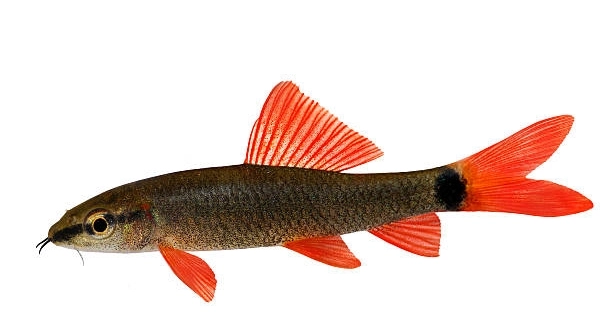
Is your rainbow shark struggling to settle into its new tank after a water change or relocation? Adjusting to a different water setup can be stressful for these territorial freshwater fish, especially when done too quickly.
The best way to help your rainbow shark adjust to new water is by changing conditions gradually, maintaining consistent parameters, and providing a stable, low-stress environment to minimize shock and support its health.
There are a few simple steps you can take to make this transition easier, and each one plays an important role in your fish’s overall well-being.
Maintain Consistent Water Parameters
Rainbow sharks are sensitive to changes in water quality, especially when moved to a new tank or during water replacements. They thrive in stable conditions, and even small fluctuations in temperature, pH, or hardness can lead to stress. To help them adjust, test the water regularly using reliable aquarium test kits. Keep the temperature between 75–81°F (24–27°C), the pH around 6.5–7.5, and hardness levels moderate. Avoid making large changes all at once. If the tap water in your area differs from the water in their current tank, consider using a water conditioner and adjusting gradually over several days. Consistency is key.
Stick to partial water changes instead of full ones. Replace only 20–25% of the tank water at a time to avoid shocking your fish with sudden changes in temperature or chemistry.
Using a heater and thermometer helps keep the water temperature steady, especially in homes with fluctuating room temperatures. This small step can prevent unnecessary stress.
Use a Proper Filtration System
Good filtration is essential for any aquarium, but it’s especially important when introducing a rainbow shark to new water. A reliable filter removes waste and helps keep ammonia, nitrites, and nitrates in check, which is vital for your fish’s health.
Choose a filter that is strong enough for your tank size and provides both mechanical and biological filtration. Rainbow sharks need clean, oxygen-rich water to feel safe. A sponge filter or canister filter can work well, depending on your setup. Make sure the water flow is moderate—too strong and it may stress your shark, too weak and it won’t clean effectively. Clean your filter media regularly, but avoid washing it with tap water. Use tank water instead to preserve helpful bacteria. This supports a healthy nitrogen cycle and makes the water safer for your fish. A steady, clean environment helps your rainbow shark adjust more easily to its new surroundings.
Acclimate Slowly and Carefully
Always introduce your rainbow shark to new water slowly. A rushed transition can lead to shock and illness. Float the bag in the tank for 15–20 minutes, then slowly mix tank water in over another 20 minutes.
Gradual acclimation is one of the most effective ways to protect your fish during a water change or relocation. After floating the sealed bag to match the temperature, open it and add small amounts of tank water every five minutes. Do this for about 20–30 minutes. This method allows your shark to adjust to the temperature, pH, and hardness slowly, reducing the risk of stress. Once acclimated, gently transfer the shark using a soft net. Avoid pouring the water from the bag into the tank, as it may contain waste or contaminants. A little patience during this process helps your rainbow shark settle into the new environment more smoothly.
Avoid large sudden water changes unless absolutely necessary. If you must perform a bigger change, try spacing it out in smaller portions over several hours or a full day. Keep lights dim during and after the process to reduce stimulation. Monitor the shark closely for signs of stress, like frantic swimming or hiding. If those behaviors occur, pause further changes until it settles. This step-by-step approach reduces the shock of new water and helps your rainbow shark stay calm and stable in its new conditions.
Provide Hiding Spots and Territory
Rainbow sharks feel safer when they have places to claim and hide. A new tank setup can feel overwhelming, especially without cover or structure. Add caves, rocks, or driftwood to create boundaries and reduce stress.
They are naturally territorial fish, especially as they mature. In a new environment, they will seek areas to claim and feel secure. When the tank lacks structure, rainbow sharks may act aggressively or become anxious. Hiding spots like ceramic tunnels, rock caves, and plant coverage help them feel protected. Spread these features throughout the tank to break up sightlines and allow your fish to explore gradually. These physical barriers also help if there are tank mates, reducing conflict. Avoid sharp decorations that could cause injury. Creating a space that feels familiar and secure encourages your rainbow shark to adjust quicker. Over time, it will become more active, less skittish, and better adapted to the tank’s setup.
Avoid Aggressive Tank Mates
Rainbow sharks don’t always get along with other territorial or bottom-dwelling fish. When placed with aggressive species, they may become stressed or defensive, making it harder to adjust to new water conditions and a new environment.
Keep them with peaceful tank mates that swim in different areas of the tank. Avoid other sharks or similarly shaped fish to reduce conflict.
Feed a Balanced and Consistent Diet
Food plays a role in how well your rainbow shark adjusts to changes. A healthy, balanced diet boosts its immune system and helps it recover from stress. Offer high-quality sinking pellets made for bottom-feeders, and supplement with occasional frozen or blanched vegetables like zucchini or spinach. Feed small amounts once or twice a day, removing leftovers to prevent water quality issues. Consistency matters—try to feed at the same time each day. Avoid overfeeding, especially after a water change, when your fish may still be adjusting. Providing proper nutrition helps support energy levels, reduces stress, and keeps your rainbow shark in good shape while settling into its environment.
Keep Lighting Soft and Steady
Bright or inconsistent lighting can stress your rainbow shark. Use a dim or moderate light setting, and keep a regular day-night schedule. Avoid sudden light changes to help your fish feel secure during the adjustment process.
FAQ
How long does it take for a rainbow shark to adjust to new water?
Adjustment times vary depending on water conditions and the fish’s health. Generally, rainbow sharks take about one to two weeks to settle fully. During this period, they may hide more and show less activity. Gradual acclimation and stable tank parameters can shorten this time.
Can sudden water changes harm my rainbow shark?
Yes, sudden or large water changes can cause shock, stressing your rainbow shark. It can lead to weakened immune response or illness. Partial water changes done slowly are safer. Avoid replacing more than 25% of the water at once.
What signs show my rainbow shark is stressed from new water?
Look for erratic swimming, loss of appetite, hiding constantly, or gasping near the surface. Color fading and clamped fins are also stress indicators. These behaviors usually improve with proper care, stable water, and patience.
Is it okay to use tap water directly for water changes?
Tap water can contain chlorine or chloramine, which are harmful. Always use a water conditioner to neutralize these chemicals before adding tap water to the tank. Testing the water regularly ensures safe conditions.
What’s the best temperature for a rainbow shark?
Keep the tank temperature between 75 and 81°F (24–27°C). Temperatures outside this range can stress your fish and increase susceptibility to disease. Use a heater and thermometer to maintain stability.
How often should I test the water during adjustment?
Testing every two to three days during a transition helps catch any spikes in ammonia, nitrite, or nitrate. Consistent testing allows you to act quickly and keep conditions stable for your rainbow shark’s health.
Can I add stress relief products to help with adjustment?
Some aquarium products claim to reduce fish stress. While they may help, they should not replace proper acclimation and good water quality. Focus on stable parameters, hiding spots, and gradual changes first.
How do I reduce aggression during the adjustment period?
Providing plenty of hiding places and avoiding aggressive tank mates helps reduce tension. Maintain stable water conditions and avoid overcrowding. If aggression continues, consider separating the rainbow shark temporarily.
Is feeding frequency important during water changes?
Yes. Feed smaller amounts during stressful times and remove any uneaten food promptly. Overfeeding can worsen water quality and increase stress. Stick to a consistent feeding schedule.
What should I do if my rainbow shark refuses to eat after a water change?
Loss of appetite can be normal at first. Try offering favorite foods and keep the environment calm and stable. If the fish refuses food for more than a week or shows other symptoms, consult an aquarium specialist.
Adjusting to new water can be challenging for your rainbow shark, but with patience and care, it becomes much easier. The key is to provide a stable environment where changes happen slowly and carefully. Consistent water temperature, proper filtration, and gradual acclimation all help reduce stress for your fish. When the water quality is good and the environment feels safe, your rainbow shark will begin to explore its new home with more confidence.
Creating a comfortable space is just as important as maintaining water conditions. Providing hiding spots and territory boundaries helps your fish feel secure. Rainbow sharks are naturally territorial, so having places to claim and hide reduces anxiety. This, combined with a balanced diet and a peaceful tank community, supports their overall well-being. Avoid sudden changes in lighting or water parameters, as these can cause unnecessary stress. A calm and stable environment encourages your rainbow shark to adapt more quickly.
Taking these steps not only helps your rainbow shark adjust in the short term but also promotes its long-term health and happiness. Observing your fish regularly allows you to notice any early signs of stress or illness. Addressing problems early can prevent more serious issues later. With time, your rainbow shark will settle comfortably into its tank, becoming an active and vibrant part of your aquarium. Consistent care and attention make all the difference in ensuring your fish thrives in its new surroundings.

Hello,
If you enjoy the content that we create, please consider saying a "Thank You!" by leaving a tip.
Every little bit helps us continue crafting quality advice that supports the health, happiness, and well-being of pets around the world, for pets of all shapes, sizes, and species.
We really appreciate the kindness and support that you show us!