
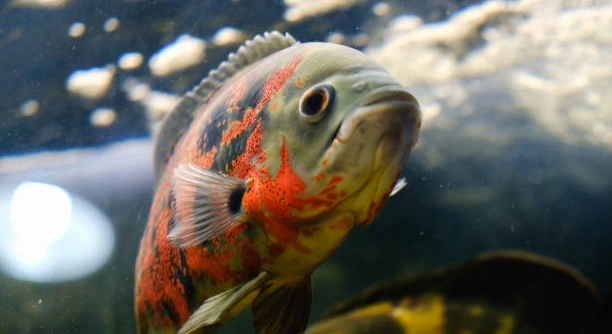
Oscar fish are popular for their vibrant personalities and size. However, like all fish, they can become stressed or anxious in certain situations, causing them to hide. Understanding these triggers can help improve their environment.
Several factors can cause Oscar fish to hide, including changes in water conditions, loud noises, other aggressive tank mates, or sudden movements around their tank. Stress from poor water quality or lack of hiding spots can also contribute.
Learning more about these triggers will help you create a more comfortable and healthy environment for your Oscar fish.
Changes in Water Conditions
Oscar fish are sensitive to water conditions. Any change in the water’s temperature, pH, or ammonia levels can stress them out, leading to hiding. Even small fluctuations in water quality can disrupt their comfort. Maintaining a stable environment is crucial for their well-being. A water change or filtration issue can quickly cause them to seek shelter. It’s important to regularly test the water parameters and ensure that the tank is cleaned properly. If you notice your Oscar hiding frequently, it could be a sign that the water is not in optimal condition.
Stable water conditions help Oscar fish feel safe and secure. Consider investing in a water testing kit to monitor the tank’s chemistry. Regular maintenance of the tank will prevent many of these issues.
Fish, including Oscars, are more likely to thrive in a well-maintained tank. Water quality management not only keeps your Oscar comfortable but also helps prevent potential health problems. Ensuring stable conditions will reduce stress and keep your Oscar active.
Tankmates and Aggression
Oscar fish are territorial and may hide if there is aggression in the tank. Tankmates that are overly active or aggressive can make them feel unsafe. Even peaceful species may unintentionally provoke your Oscar. This behavior can lead to stress and cause your fish to retreat. It’s essential to choose compatible tankmates to ensure your Oscar doesn’t feel threatened.
If you have other fish that are constantly competing for space or food, it might make your Oscar more anxious. Choosing larger, less aggressive fish is usually a good idea to avoid conflict. A peaceful environment helps your Oscar feel secure.
The dynamics of tankmate interactions can directly affect your Oscar’s health. In some cases, removing aggressive tankmates may be necessary to restore peace and prevent stress. Observing your fish’s behavior closely will guide you in making the right adjustments to the tank setup.
Loud Noises and Sudden Movements
Oscar fish are sensitive to noise. Sudden sounds or movements near their tank can easily stress them out. If there is constant noise or activity around their tank, they may feel threatened and hide. This could be due to loud household noises, pets, or even fast movements outside the tank.
Creating a quieter environment can reduce stress for your Oscar fish. Avoid banging on the tank or making sudden, jerky motions near it. Even vibrations from heavy foot traffic can be unsettling. The more peaceful the surrounding area, the less likely your fish will hide.
Oscar fish are more likely to thrive in calm and consistent surroundings. Limiting unnecessary noise and disturbances will help them feel safer. Over time, a quieter environment may help them regain their confidence and reduce their hiding behavior. Make these small changes for a happier and more relaxed fish.
Inadequate Hiding Spots
Oscar fish are naturally curious but still need hiding spots to feel secure. If there are no places for them to retreat to, they may feel exposed and stressed. A lack of hiding places can lead to anxiety, causing your Oscar to hide more frequently.
Adding decorations or rocks to the tank can provide shelter and comfort. These items mimic the natural environment, offering your fish a place to retreat when they feel threatened. It’s essential to give them space to hide but also room to explore.
Without proper hiding spots, Oscar fish may struggle to adjust to their tank. Even though they enjoy being social and curious, they still need time to retreat when feeling stressed. Ensuring that they have places to hide can encourage them to explore more confidently.
Temperature Fluctuations
Oscar fish are sensitive to temperature changes. A sudden drop or rise in water temperature can cause stress and make them hide. Even small fluctuations can make them feel unsafe, leading them to seek shelter in their tank.
Maintaining a stable temperature is key for your Oscar’s health. Installing a reliable heater and thermometer will help keep the water at a consistent, comfortable level. Avoid placing the tank near windows or heaters, as this can lead to temperature swings. A stable environment will keep your fish calm and reduce hiding.
Overcrowded Tanks
Overcrowding can make Oscar fish feel stressed and uncomfortable. When there are too many fish in a tank, there is less space to move, causing aggression and stress. This may lead your Oscar to retreat and hide more often.
Ensuring that your tank has enough space for each fish is essential. Proper tank size prevents overcrowding and gives your Oscar fish room to swim freely. When fish feel cramped, their stress levels increase, and hiding becomes a common reaction. Make sure your Oscar has the space it needs to thrive.
Poor Tank Maintenance
Oscar fish need clean water to stay healthy. Poor tank maintenance, such as infrequent water changes or unclean filters, can lead to poor water quality. This makes Oscars feel unsafe, often causing them to hide more.
Regular tank cleaning is vital for maintaining water quality. Remove waste and debris from the tank, clean the filter, and perform water changes every few weeks. A well-maintained tank will not only reduce hiding but also improve the overall health of your Oscar fish.
FAQ
Why is my Oscar fish hiding all the time?
Oscar fish may hide for various reasons, such as water quality issues, stress from tankmates, or environmental factors. If your fish is constantly hiding, it could be due to poor water conditions like high ammonia levels or fluctuating temperatures. Another reason could be an overly aggressive tankmate or a noisy environment that makes your Oscar feel threatened. Make sure the tank has appropriate hiding spots, is well-maintained, and is free from constant disturbances to reduce stress and encourage your Oscar to be more active.
How can I reduce stress in my Oscar fish?
To reduce stress in Oscar fish, maintain a stable environment. Regularly test water quality, ensure the temperature remains steady, and clean the tank often. Avoid loud noises, sudden movements, and aggressive tankmates. Adding hiding spots like plants or rocks can also give your Oscar a safe place to retreat when feeling overwhelmed. Ensuring that your fish has enough space to swim and explore will also make a big difference in its stress levels.
What should I do if my Oscar fish stops eating?
If your Oscar is refusing food, check the water quality immediately. Poor water conditions can cause loss of appetite. Also, stress from overcrowding, incompatible tankmates, or changes in the tank environment may be factors. Try feeding your Oscar different types of food to see if it has a preference. If the issue persists, it may be wise to consult a vet for a more thorough checkup.
Can I keep multiple Oscar fish together?
Keeping multiple Oscars in the same tank can be tricky. While Oscars can be social, they are territorial and may fight if they feel crowded or threatened. It’s recommended to have a large tank with plenty of space for each fish. If you choose to keep more than one Oscar, monitor their behavior carefully to ensure they don’t get overly aggressive. Providing enough hiding spots and establishing a calm environment can help reduce aggression between Oscars.
How often should I change the water in my Oscar tank?
For optimal health, it’s important to perform partial water changes in your Oscar fish tank every two weeks. You should change about 25-30% of the water during each cleaning. If the tank is heavily stocked or the water quality declines quickly, more frequent changes may be necessary. Always use a water conditioner to remove chlorine or chloramine and make sure the new water is the same temperature as the tank to prevent shock to your fish.
How can I tell if my Oscar fish is sick?
Sick Oscars may show signs such as abnormal swimming behavior, loss of appetite, discoloration, or visible spots or lesions on their bodies. They might also appear lethargic or scratch against objects in the tank. If your fish is showing any of these symptoms, it’s important to test the water quality first. If the water is fine, consider consulting a veterinarian who specializes in fish care to diagnose and treat any illnesses. Early intervention can help prevent the spread of disease to other tank inhabitants.
Do Oscar fish need a filter?
Yes, Oscar fish need a filter. They produce a lot of waste, which can quickly degrade water quality if not properly filtered. A high-quality filtration system helps maintain clean and healthy water, which is crucial for your Oscar’s health. It’s recommended to use a filter that is rated for a tank larger than your tank size, as Oscar fish produce a lot of waste.
What size tank do I need for an Oscar fish?
Oscar fish need plenty of space to swim and grow. The minimum tank size for one adult Oscar is 55 gallons, though larger tanks are always better. If you plan to keep multiple Oscars, you’ll need a tank that is at least 75 gallons or more, depending on the number of fish. A bigger tank allows for better water quality, reduces stress, and provides enough room for them to thrive.
Can Oscar fish live with other fish?
Oscar fish can live with other fish, but only if the tankmates are the right size and temperament. Oscars are known to be territorial and sometimes aggressive, so they do best with larger, peaceful fish that won’t compete for space or food. Avoid keeping small or timid fish with Oscars, as they may become stressed or eaten. It’s essential to monitor the interactions between your Oscar and its tankmates to ensure peaceful cohabitation.
How long do Oscar fish live?
Oscar fish can live for 10-15 years in captivity with proper care. Their lifespan is heavily influenced by water quality, tank size, diet, and overall care. Providing a stable environment and keeping the tank clean will help your Oscar live a long and healthy life. Some Oscars can even live up to 20 years with the right conditions, but this requires consistent attention to their needs.
Why does my Oscar fish rub against objects?
If your Oscar is rubbing against objects, it may be a sign of skin irritation or a parasite infection. Scratching behavior is common in fish suffering from external parasites like ich or flukes. It could also indicate a fungal infection or an issue with the water quality. Check your water parameters and look for visible signs of illness. If the behavior persists, consult a vet or a specialist in aquatic health to determine the cause and provide treatment.
What temperature is best for Oscar fish?
Oscar fish thrive in water temperatures between 75-80°F (24-27°C). Keeping the water within this range promotes good health and reduces the chances of stress or illness. A reliable aquarium heater is necessary to maintain this temperature, especially in cooler environments. Avoid drastic temperature fluctuations, as they can cause stress and may lead to your fish hiding or becoming ill.
Can I feed my Oscar fish live food?
Yes, Oscar fish can be fed live food, such as small feeder fish, worms, and insects. While they enjoy live food, it’s important to be cautious about where you source it from. Live food can sometimes carry parasites or diseases that could harm your Oscar. To reduce the risk, it’s better to feed them high-quality frozen or freeze-dried alternatives, which provide similar nutrition without the associated risks.
How do I know if my Oscar fish is healthy?
A healthy Oscar fish is active, swims smoothly, and has bright, vibrant colors. They should have a healthy appetite, with no signs of bloating, lesions, or abnormal behavior. Their fins should be intact, not clamped, and their scales should be smooth. Regular water tests and a clean tank are essential to maintain their health. If you notice any changes in behavior, appetite, or appearance, it may indicate a health problem that needs attention.
Final Thoughts
Oscar fish are fascinating and resilient creatures, but they do require special care and attention. Their natural behavior can sometimes cause concern, especially when they hide frequently. Understanding the reasons behind this behavior is crucial for ensuring your Oscar remains healthy and happy. Whether it’s poor water quality, environmental stress, or issues with tankmates, addressing these factors will help your fish thrive.
Maintaining a stable and clean environment is essential for your Oscar’s well-being. Regular water changes, proper filtration, and monitoring of water parameters are key aspects of keeping the tank in good condition. It’s also important to provide a tank size large enough for your Oscar to swim comfortably. A proper-sized tank reduces stress and allows for a healthier, more active fish. Additionally, providing hiding spots can help your Oscar feel secure, as they naturally seek shelter when they feel threatened.
Lastly, patience and observation play a big role in understanding your Oscar fish. Keep an eye on their behavior and environment to identify any potential issues early. While Oscars are hardy, they do best in stable, peaceful environments. By maintaining proper care and keeping their needs in mind, you can enjoy the company of a healthy and thriving Oscar fish for years to come.

Hello,
If you enjoy the content that we create, please consider saying a "Thank You!" by leaving a tip.
Every little bit helps us continue crafting quality advice that supports the health, happiness, and well-being of pets around the world, for pets of all shapes, sizes, and species.
We really appreciate the kindness and support that you show us!