
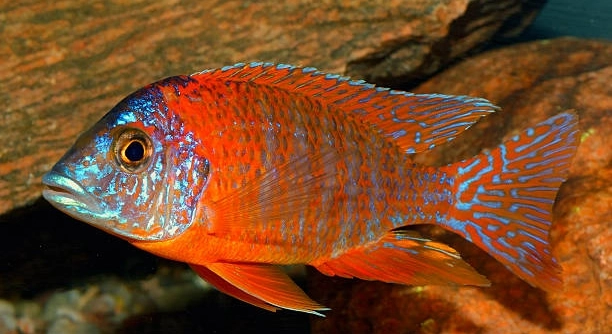
Cichlids are fascinating fish known for their curious and active behaviors. One behavior that often stands out is digging, which can reshape their tank environment and sometimes surprise aquarists. Understanding why they dig can improve care.
Cichlid digging behavior is typically triggered by environmental changes, territorial instincts, breeding activities, and the availability of substrate materials. Factors such as water quality, tank layout, food distribution, and stress levels can also influence their natural inclination to dig.
Recognizing these triggers can help you maintain a balanced tank while supporting your cichlids’ natural behaviors and overall well-being.
Substrate Type and Depth
The type of substrate in your cichlid tank has a big impact on digging behavior. Sand, fine gravel, and soil-like substrates are easier for cichlids to move around. Softer substrates allow them to dig more freely, while harder or coarse gravel limits their activity. Some cichlids prefer to create pits or move rocks to establish their territory. Depth also matters because deeper layers give them more material to manipulate. When setting up a tank, I’ve noticed that cichlids often start digging immediately if the substrate is soft and deep enough. This behavior is natural and helps them feel secure. Over time, their digging can alter the tank layout, so adjusting substrate depth and type can manage how much they disturb the tank. Observing their preferences can guide you in creating an environment that balances activity and stability.
Substrate choice directly influences how often and how intensely your cichlids dig. Softer, deeper materials encourage more digging.
Watching how they interact with different substrates can reveal their comfort and territorial instincts. It also helps maintain a visually pleasing tank.
Territorial Instincts
Cichlids are naturally territorial fish. They often dig to mark and defend their space from others in the tank. This instinct is stronger in males and during breeding periods. A fish may move substrate, create pits, or even rearrange decorations to establish dominance. Territorial behavior also reduces stress, as having control over a space makes them feel secure. If multiple cichlids share a tank, boundaries often form through digging activity. I’ve seen this firsthand in community setups, where dominant individuals consistently maintain specific areas, while others stick to the edges. Providing enough space and hiding spots can reduce aggressive digging, as fish have room to claim separate territories. Understanding this instinct allows you to predict their movements and design the tank to minimize conflict. It’s a normal part of their behavior and contributes to a healthier, more stable environment.
Breeding Behavior
Cichlids often dig when preparing breeding sites. They move substrate to create pits or depressions where eggs can be laid.
During breeding, digging intensifies as they clear areas for egg deposition and fry protection. I’ve observed my cichlids moving sand and small rocks continuously, shaping shallow bowls or tunnels. This is not a sign of stress but a natural reproductive behavior. Providing soft substrate allows them to perform these actions safely. Over time, these areas become recognizable zones in the tank, showing where the fish intend to breed. Monitoring their behavior during this period helps ensure both eggs and fry remain safe.
Breeding-related digging also serves to strengthen pair bonds. Both male and female participate in shaping the nesting site. I’ve noticed that the intensity of digging varies by species. Some dig shallow depressions, while others create elaborate pits or rearrange surrounding materials. This activity helps establish hierarchy, territory, and readiness for reproduction. Properly managing tank layout ensures this digging does not damage plants or decorations while supporting natural instincts.
Stress and Environmental Changes
Cichlids increase digging when stressed or sensing environmental changes. Shifts in water temperature, pH, or sudden movements trigger this activity.
I’ve seen my fish start digging vigorously after rearranging tank decorations or performing large water changes. This behavior often indicates discomfort or a need to regain control over their surroundings. Stress-related digging can also appear when new tank mates are introduced. Providing hiding spots and stable conditions helps reduce excessive digging. Recognizing stress-driven digging allows for timely adjustments, improving the fish’s comfort and overall health.
Persistent stress-driven digging can affect both fish and tank aesthetics. Fish may uproot plants, disturb decorations, or create uneven substrate areas. Observing patterns in their behavior helps identify specific stressors. For example, sudden lighting changes or strong water currents often trigger repeated digging sessions. Adjusting environmental factors like flow, lighting, or tank layout can reduce this behavior. In some cases, separating particularly aggressive or stressed individuals prevents conflicts and excessive substrate disturbance. Maintaining consistent water parameters and minimizing sudden changes fosters a calmer tank where cichlids dig less out of stress and more for natural instincts.
Food and Feeding
Cichlids often dig around during feeding. They sift through the substrate to find leftover food or small particles.
This behavior is natural and helps them search for nutrients hidden under sand or gravel. I’ve noticed they enjoy rooting around after meals, keeping their environment active.
Tank Size and Space
Smaller tanks can increase digging because cichlids feel confined. Limited space encourages them to move substrate more aggressively. Providing ample room reduces territorial conflicts and allows more natural movement.
Water Flow and Current
Strong currents can trigger digging behavior. Fish move substrate to create calmer areas or secure spots for resting and breeding. This adjustment helps them feel stable and in control of their surroundings.
FAQ
Why do my cichlids dig so much even when the tank is stable?
Cichlids dig naturally as part of their instincts. Even in a stable tank, digging can be a way to explore, establish territory, or prepare areas for future breeding. I’ve noticed that some species are just more active diggers, regardless of tank conditions. Providing soft substrate and some open areas allows them to dig safely without damaging decorations or plants.
Can digging harm my plants or decorations?
Yes, digging can uproot plants or shift lightweight decorations. In my experience, fast-growing plants or those anchored in heavier pots are less likely to be disturbed. Rocks and ornaments should be stable or weighted down. If you prefer a planted tank, selecting sturdy plants and adding protective barriers around roots reduces damage while still letting your cichlids dig naturally.
Is digging a sign of stress?
Not always. While digging can indicate stress, it’s often a normal behavior tied to territory, breeding, or exploration. I’ve observed that sudden increases in digging usually follow water changes, new tank mates, or rearrangements. Watching the context helps determine whether it’s stress-related. Consistent conditions, hiding spots, and proper tank mates reduce stress-driven digging.
Do all cichlid species dig the same way?
No. Some species are light diggers, moving small amounts of sand, while others create large pits or even rearrange rocks. For instance, African cichlids are often more aggressive and territorial than South American varieties. Observing your species helps anticipate their behavior. Matching substrate type and tank layout to their habits encourages natural activity without excessive mess.
Will cichlids stop digging if I give them enough space?
Extra space can reduce excessive digging but usually won’t stop it entirely. I’ve found that larger tanks let them establish territories with less conflict and less destructive behavior. Providing enough room for each fish, along with hiding areas, helps balance natural digging with a controlled tank environment.
How can I manage digging without restricting natural behavior?
Using deeper or softer substrate gives cichlids a safe area to dig. Weighted decorations and pots protect plants and prevent shifting. I often create designated digging zones where they can move substrate freely. Monitoring the tank layout over time ensures their digging doesn’t damage fragile elements while allowing them to exhibit normal instincts.
Does feeding affect digging behavior?
Yes. Cichlids often dig to search for food particles in the substrate. I’ve noticed they spend more time moving sand after meals or when scattered food falls to the bottom. Regular feeding routines and using sinking pellets can reduce frantic searching while still allowing them to explore naturally.
Can digging indicate breeding readiness?
Absolutely. Increased digging, especially creating pits or clearing areas, is often a precursor to breeding. I’ve seen pairs intensely move substrate to prepare for egg-laying. Providing soft substrate and quiet areas ensures they can perform these behaviors safely. Observing this activity can help identify when breeding is likely to occur.
Is water flow a factor in digging?
Yes. Strong currents or uneven flow often trigger digging as cichlids create calmer spots. In my tanks, adjusting the filter direction or adding rocks to break currents reduces substrate disturbance. This helps them feel secure while still allowing them to dig naturally.
How do I tell if digging is excessive or harmful?
Excessive digging is usually noticeable when plants, decorations, or substrate are constantly disturbed. I track behavior over days to see patterns. If damage becomes frequent, it may indicate stress, territorial conflicts, or an unsuitable substrate. Adjusting tank layout, providing more space, and ensuring environmental stability usually restores balance.
Can multiple cichlids coexist without too much digging conflict?
Yes, with careful planning. I’ve found that providing ample space, multiple hiding spots, and clear territories reduces aggressive digging. Understanding species behavior and tank dynamics is key. Sometimes introducing fish slowly or separating particularly aggressive individuals prevents constant substrate disruption while maintaining a healthy community.
Does substrate type influence digging intensity?
Definitely. Soft sand or fine gravel encourages more digging, while coarse gravel or compacted substrates reduce it. I’ve observed that cichlids adjust their digging efforts based on ease of movement. Matching substrate to your fish’s natural behavior allows them to dig safely without excessive disruption of the tank.
Can digging be trained or discouraged?
Not entirely. Digging is instinctual, but I’ve found ways to manage it. Providing designated areas, stable decorations, and suitable substrate helps control where and how much they dig. Environmental adjustments like reducing stress and improving tank layout also guide natural behavior without suppressing instincts.
Are there signs that digging is linked to illness?
Yes. Sudden, frantic, or unusual digging can indicate illness or discomfort. I monitor other signs like appetite, coloration, and swimming patterns. If abnormal digging coincides with these changes, checking water quality and consulting health guidelines ensures timely care. Most regular digging, however, is normal and healthy behavior.
How often should I monitor digging behavior?
Daily observation works best. I check how often they move substrate and in which areas. Noticing changes helps distinguish between normal instincts, stress, or environmental issues. Keeping a routine allows adjustments to tank setup, feeding, or decorations before digging becomes problematic.
Does tank decoration influence digging habits?
Yes. Lightweight items or easily moved rocks increase substrate disturbance. I prefer heavier ornaments and anchored decorations. Cichlids still dig around them, but these items stay in place. Decorations that create hiding spots or natural barriers reduce conflicts and channel digging toward safer areas.
Can digging improve tank health?
In some ways, yes. Digging aerates the substrate and can prevent compaction. I’ve noticed mild digging helps plants root and distributes nutrients in sand tanks. However, excessive digging can uproot plants or cause stress, so balancing natural behavior with tank design is important.
Does lighting affect digging behavior?
Lighting can influence activity levels, but it’s subtle. Cichlids may dig more during active periods when lights are on. I maintain a consistent light cycle to avoid sudden bursts of digging caused by abrupt changes. Predictable lighting helps them establish routines and reduces stress-related substrate movement.
How do I balance digging behavior with a planted tank?
Using sturdy plants, weighted pots, and designated digging zones works well. I often plant robust species in front or sides and leave open substrate areas in the center. This allows cichlids to dig naturally without damaging delicate plants, maintaining both aesthetic and healthy natural behavior.
Can digging ever be completely stopped?
No. Digging is instinctual. I’ve learned it’s better to manage and guide the behavior rather than try to eliminate it. Proper substrate, tank layout, and environmental stability create a safe space for them to dig while keeping the tank organized and healthy.
Does temperature influence digging activity?
Yes. Warmer water can increase metabolism and activity, including digging. I monitor water temperature closely. Sudden changes can trigger stress-related digging. Maintaining stable, appropriate temperatures helps regulate natural behavior while minimizing excessive substrate disturbance.
How do I know if digging is normal or excessive?
Normal digging is consistent with natural behavior and does not cause major damage. Excessive digging uproots plants, shifts decorations, or indicates stress. I track patterns over time and adjust tank conditions if needed. Observing substrate movement alongside other behaviors provides the clearest insight.
Can digging be part of enrichment?
Absolutely. I use digging as enrichment by creating soft substrate areas, hiding spots, and varied terrain. It encourages natural instincts, reduces boredom, and supports physical activity. Guided enrichment helps maintain healthy behavior while keeping the tank organized and visually appealing.
What long-term effects does digging have on tank maintenance?
Over time, substrate can become uneven, plants may shift, and decorations may need repositioning. I regularly level sand, check plant roots, and stabilize decorations. Maintaining a routine prevents damage while allowing fish to dig naturally. This ensures the tank stays clean, balanced, and healthy.
Can tank mates influence digging behavior?
Yes. Aggressive or territorial neighbors increase digging frequency. I arrange compatible species and provide hiding spots to reduce conflict. Tank mate behavior directly affects substrate movement, so careful selection and monitoring are essential to maintaining a balanced environment.
Does feeding method affect substrate digging?
Yes. Scattered food or sinking pellets often prompt digging as cichlids search for morsels. I’ve found feeding in specific areas or using controlled feeding techniques reduces frantic substrate movement while still letting fish explore naturally.
Are there signs that digging is related to aggression?
Aggressive digging often coincides with chasing, flaring, or defending territory. I observe these signs closely. If aggression is frequent, separating individuals or providing visual barriers reduces conflicts and limits excessive substrate disturbance.
Can digging behavior change with age?
Yes. Younger cichlids often dig more as they explore and establish territories. Older fish may reduce activity but still maintain occasional digging for exploration or comfort. Observing age-related behavior helps anticipate tank changes and adjust layout or substrate.
Does diet affect digging behavior?
Indirectly. A varied diet reduces frantic substrate searching. I’ve noticed that nutrient-rich food lessens excessive digging, while insufficient feeding can increase foraging behavior in the substrate. Proper nutrition helps maintain balanced activity and natural behavior.
Can digging cause injury?
Rarely, but possible. Sharp rocks, heavy ornaments, or aggressive digging can cause minor injuries. I ensure substrates are safe, decorations are stable, and fish have space to dig without risk. This prevents accidents while supporting natural instincts.
Is digging behavior the same in community tanks?
Not always. Presence of multiple species can alter digging patterns. Territorial disputes or competition for space may increase activity. I observe interactions carefully and adjust tank setup to minimize conflicts, ensuring all fish can dig naturally without constant interference.
Does tank age influence digging?
Older tanks with established substrate and plants may see less disruptive digging as fish settle. In new tanks, digging is often more intense while they explore and define territories. I plan substrate and decoration placement accordingly to manage this behavior early.
Are certain substrates safer for digging?
Yes. Fine sand or soft gravel prevents injuries and allows natural movement. I avoid sharp gravel or coarse rocks, which can damage fins or scales. Choosing safe substrate ensures healthy digging without harming the fish or tank elements.
Can digging be used to observe fish behavior?
Absolutely. Digging patterns reveal territoriality, stress levels, and breeding readiness. I monitor these activities closely to understand my fish’s needs. Substrate movement provides insight into their health, comfort, and interactions. Tracking behavior over time helps maintain a balanced and thriving tank.
Does water quality affect digging frequency?
Yes. Poor water quality increases stress and often triggers excessive digging. I keep parameters stable and perform regular maintenance. Healthy water reduces stress-driven substrate movement and supports normal, natural digging behavior.
How do I differentiate between playful and aggressive digging?
Playful digging is consistent, exploratory, and often shared with mild movement. Aggressive digging involves chasing, flaring, and repeated disruption. Observing body language, interactions, and patterns helps distinguish the two. Adjusting tank layout and monitoring fish interactions reduces aggressive incidents while allowing normal exploration.
Can digging be predicted by observing fish?
Yes. Patterns in activity, substrate movement, and behavior signals indicate upcoming digging, especially before breeding or after environmental changes. I watch closely to anticipate and manage substrate disturbances. This proactive approach helps balance natural instincts with tank organization.
Does tank lighting duration influence digging?
Indirectly. Longer light periods increase activity levels, including digging. I maintain a consistent light cycle to support normal behavior while preventing sudden bursts of substrate movement caused by abrupt changes in illumination.
Are there behavioral signs that indicate digging might be harmful?
Yes. Constant uprooting of plants, repeated substrate rearrangement, or injury to fins signals excessive digging. I track these signs and adjust tank setup, substrate, or fish numbers to reduce risk. Early intervention keeps digging healthy and controlled.
Does substrate color affect digging?
It can. Fish may prefer lighter or softer substrates for visibility and comfort. I’ve noticed some species dig more in lighter sand, possibly for ease of movement or display. Choosing suitable substrate enhances natural behavior and reduces frustration.
Can water temperature swings trigger digging?
Yes. Sudden changes in temperature often provoke digging as fish attempt to find comfortable areas. I monitor temperature carefully, maintaining stable conditions to minimize stress-induced substrate movement.
Does digging frequency change with seasons or light cycles?
Indirectly. Seasonal changes in lighting or temperature can affect activity. I maintain consistent water conditions and light cycles to stabilize behavior. Predictable routines reduce unnecessary digging while allowing natural instincts.
Are hiding spots necessary for controlling digging?
Yes. Providing shelters reduces stress and prevents constant substrate disruption. I place rocks, caves, and plants to create safe zones, encouraging natural digging without excessive disturbance.
Can digging indicate readiness for tank relocation or changes?
Sometimes. Increased digging can signal discomfort with current layout or environmental changes. I observe behavior when rearranging tanks or introducing new elements, adjusting setup to minimize stress.
Does tank maintenance affect digging patterns?
Yes. Water changes, cleaning, or rearrangements can trigger temporary digging. I perform maintenance gradually and predictably to reduce stress-driven substrate movement while allowing normal exploration.
Can digging help cichlids stay healthy?
Yes. It encourages physical activity, natural foraging, and territory establishment. I provide safe substrate and spaces for digging, which supports mental and physical well-being.
Does digging intensity vary between males and females?
Yes. Males often dig more to establish territory and breeding areas. Females may dig during nesting or foraging. I monitor differences to manage tank balance and ensure both genders have appropriate space.
Are there signs digging is linked to boredom?
Yes. Repetitive, purposeless digging may indicate insufficient enrichment. I add decorations, hiding spots, and substrate variety to keep fish stimulated while supporting healthy natural behaviors.
Can digging disrupt tank filtration?
It can. Sand or fine substrate may cloud water or enter filters. I use pre-filters or adjust flow to reduce disruption, ensuring digging doesn’t compromise water quality or filtration efficiency.
Does tank age affect digging preferences?
Older, established tanks see less exploratory digging, while new setups trigger more intense activity. I plan substrate and decoration placement accordingly to manage early digging behavior effectively.
How can I track digging behavior over time?
I keep a simple log of substrate movement, fish interactions, and environmental changes. Tracking patterns helps distinguish normal behavior from stress or conflict, allowing timely adjustments.
Can digging behavior indicate overall happiness?
Yes. Balanced, purposeful digging usually reflects natural instincts and comfort. Excessive or destructive digging often signals stress or dissatisfaction. I monitor behavior alongside other health indicators to assess well-being.
Does digging frequency change after feeding?
Yes. Post-feeding, cichlids often sift substrate for leftovers. Controlled feeding methods reduce frantic digging while still allowing foraging activity. I scatter food in specific areas to manage this behavior effectively.
Can multiple tanks influence digging expectations?
Yes. Fish accustomed to one tank may dig more in a new setup while exploring. I gradually introduce new tanks and monitor behavior to manage substrate disturbance.
Does substrate slope matter?
Yes. Uneven or sloped substrate encourages digging in certain areas. I level sand and gravel to provide a stable base, reducing excessive movement while allowing natural exploration.
How long does digging behavior typically last?
It varies. Some species dig continuously, while others dig periodically. I observe patterns and provide appropriate substrate and space, ensuring they can perform this instinct safely over time.
Can digging behavior be influenced by tank mates?
Yes. Aggressive or territorial neighbors increase digging frequency. I plan species compatibility and space allocation to minimize conflicts and allow natural substrate movement.
Does water chemistry affect digging?
Indirectly. Stable pH, hardness, and temperature reduce stress-driven digging. I monitor parameters closely. Unstable water chemistry often triggers increased substrate disturbance as fish try to create comfort zones.
Can digging be encouraged for enrichment?
Yes. I provide soft substrate, hiding spots, and safe areas specifically for digging. This supports natural instincts, reduces boredom, and keeps fish active without harming plants or decorations.
Is excessive digging reversible?
Usually, yes. Adjusting tank layout, providing enrichment, stabilizing water conditions, and monitoring fish interactions often reduces disruptive digging while maintaining normal behavior.
Does tank lighting intensity influence digging?
Bright or sudden lighting changes can trigger temporary digging. I maintain consistent, moderate lighting to support natural activity while avoiding stress-induced substrate movement.
Can substrate layering affect digging behavior?
Yes. Layering finer material over heavier substrate encourages more digging. I’ve observed that cichlids prefer softer top layers to move and create pits. Proper layering allows safe exploration without destabilizing decorations.
How do I balance digging with plant growth?
I use sturdy, well-anchored plants and place fragile species in protected zones. This allows natural substrate movement while maintaining healthy plant growth. Observation and adjustment ensure harmony between fish behavior and tank aesthetics.
Are there signs that digging indicates illness?
Sudden, frantic digging combined with lethargy, loss of appetite, or color changes may indicate illness. I monitor closely and test water quality to address potential health issues promptly.
Can digging increase oxygenation in the substrate?
Yes. Gentle digging aerates substrate and distributes nutrients. I’ve noticed this benefits plant roots and reduces compaction. Controlled substrate disturbance can positively impact tank health without causing damage.
Does social hierarchy affect digging frequency?
Yes. Dominant individuals dig more to mark territory, while submissive fish dig less. I arrange hiding spots and space to reduce conflicts and ensure all fish can engage safely in natural behaviors.
How do I minimize damage while allowing digging?
Providing soft substrate, designated digging zones, stable decorations, and proper spacing allows natural behavior without excessive disruption. I monitor activity and adjust layout as needed.
Does age or maturity change digging patterns?
Yes. Young, exploratory fish dig more, while mature fish dig primarily for territory or breeding. I observe their patterns and adapt tank conditions to balance activity and stability.
Can feeding location reduce digging damage?
Yes. Feeding in specific areas directs substrate movement and reduces damage to plants or decorations. I place food strategically to manage digging while supporting natural foraging instincts.
Does digging affect water clarity?
It can, especially in sand or fine gravel. I use gentle filtration, pre-filters, and controlled digging zones to reduce clouding while allowing normal behavior.
Can digging be part of breeding signals?
Yes. Intense substrate movement, pit creation, and rearranging indicate readiness for breeding. Observing this behavior helps prepare for egg-laying and fry care.
Does tank enrichment influence digging?
Providing rocks, caves, and open substrate encourages purposeful digging and reduces destructive behavior. I’ve found enrichment keeps fish active and supports mental stimulation while minimizing stress.
How do I know if digging is excessive for my tank size?
If plants uproot, decorations shift, or substrate becomes uneven frequently, digging may be excessive. I adjust layout, provide zones, and
Cichlid digging is a natural and important behavior that reflects their instincts and needs. It is part of how they explore their environment, establish territory, and prepare for breeding. Observing their activity can provide insight into their comfort, health, and social structure within the tank. While digging can sometimes seem disruptive, it is rarely harmful if the tank is set up properly. Soft substrates, stable decorations, and adequate space allow cichlids to engage in this behavior safely. Over time, you will notice patterns in their digging, which can help you predict where and when they are likely to move substrate. Recognizing these patterns makes it easier to maintain a clean and organized tank while supporting their natural behaviors. Digging is not a sign of poor care or stress in most cases, but rather an expression of the fish’s instincts and personality.
Managing digging behavior effectively involves balancing natural activity with tank maintenance. Providing areas specifically for digging, such as open substrate zones or soft sand sections, helps reduce damage to plants and decorations. Weighted ornaments and anchored plants are also useful in keeping the tank stable while still allowing cichlids to manipulate their environment. Observing interactions between tank mates is important, as territorial disputes can increase digging frequency. Regular maintenance, including checking water quality, adjusting tank layout, and monitoring feeding practices, supports both the fish and the tank ecosystem. Changes in water flow, lighting, or feeding routines can influence digging activity, so consistent care is essential. By anticipating the fish’s behavior and creating a well-structured tank, you can maintain a healthy environment that allows natural digging while minimizing disruption. This approach ensures that the tank remains visually appealing and functional without restricting the fish’s instincts.
Understanding digging also provides insight into the overall well-being of cichlids. Activity levels, patterns of substrate movement, and interactions with decorations or other fish can all indicate how comfortable they are in their environment. Breeding behavior, foraging, and territorial displays often involve digging, and these activities are essential for mental and physical stimulation. Excessive or frantic digging may point to stress, overcrowding, or unsuitable tank conditions, which can be addressed through careful observation and adjustments. By learning to interpret the behavior, you can take proactive steps to support the fish’s natural needs while maintaining control over the tank layout. Cichlids are active and intelligent fish, and their digging is a key part of how they interact with their surroundings. Providing the right environment, including suitable substrate, space, hiding spots, and enrichment, ensures that digging remains a healthy and normal part of their behavior, benefiting both the fish and the overall tank ecosystem.

Hello,
If you enjoy the content that we create, please consider saying a "Thank You!" by leaving a tip.
Every little bit helps us continue crafting quality advice that supports the health, happiness, and well-being of pets around the world, for pets of all shapes, sizes, and species.
We really appreciate the kindness and support that you show us!