
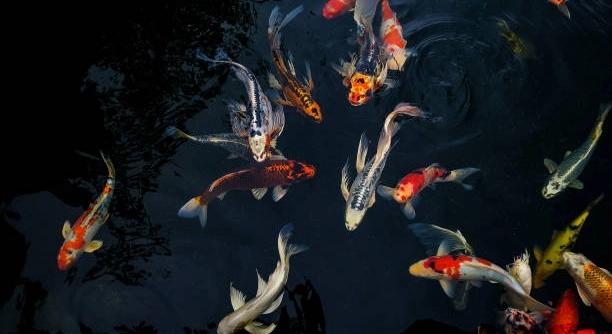
Koi fish are beautiful creatures that many people enjoy keeping in their ponds. Understanding what makes them start breeding can help hobbyists care for them better. This article highlights common triggers that encourage koi to reproduce.
Breeding behavior in koi is typically triggered by factors such as rising water temperatures, increased daylight hours, the presence of suitable spawning surfaces, water quality changes, and hormonal cycles. These conditions collectively stimulate reproductive instincts and mating activities.
Knowing these triggers can improve your koi care routine and create a healthier environment for your fish to thrive and multiply.
Water Temperature and Seasonal Changes
Koi fish are very sensitive to changes in water temperature. As the water warms up in spring and early summer, it signals to koi that it’s time to prepare for breeding. Typically, when the temperature rises to around 65–75°F (18–24°C), koi start showing breeding behavior. This rise mimics their natural environment, where warmer conditions encourage spawning. Seasonal changes in temperature also affect their metabolism and hormone levels, which play a key role in initiating reproductive activity. Maintaining a stable environment with gradual warming helps koi feel safe and ready to breed. Sudden temperature drops or fluctuations can stress the fish and delay breeding. Many koi keepers notice more activity and chasing behavior during this time, indicating readiness to spawn.
Stable temperature increases in spring are a key trigger for koi breeding. This seasonal shift sets the stage for reproduction.
Recognizing the right water temperature and seasonal patterns helps koi owners provide optimal conditions. Adjusting pond care to match these natural signals improves breeding success. Proper aeration, clean water, and gentle warming create an inviting space for koi to spawn. By understanding this connection, you can better support koi health and encourage natural breeding cycles.
Daylight Length and Light Exposure
Longer daylight hours play an important role in stimulating koi breeding behavior.
As days grow longer in spring and summer, increased light exposure signals koi to become more active and start spawning. Extended daylight affects their internal biological clocks, helping regulate hormone production linked to reproduction. Providing natural or artificial light that mimics these longer days can encourage breeding. However, light intensity should not be too strong, as koi prefer moderate brightness. Too much direct sunlight can heat the water excessively and cause stress. Keeping a balance of light and shade ensures koi remain comfortable and responsive to seasonal changes. Observing the koi during this time often reveals increased activity and interaction, which are signs that breeding behavior is underway. Adjusting light exposure according to seasonal shifts is an effective way to support koi reproduction in controlled environments like backyard ponds.
Presence of Suitable Spawning Surfaces
Koi need appropriate surfaces to lay their eggs. Rough or fibrous plants, spawning mats, or even pond structures serve this purpose well. Without these, koi may delay or avoid breeding altogether.
Providing spawning surfaces mimics natural conditions. Plants like waterweed or spawning brushes give female koi a place to deposit eggs, while males fertilize them nearby. These surfaces help eggs stick and prevent them from washing away or being eaten immediately. Many koi keepers use artificial spawning mats designed specifically for this, which can be cleaned and reused each season. The presence of these surfaces increases the likelihood of successful breeding and healthy fry development. Monitoring these spots during breeding season often shows increased koi activity around them.
Adding suitable spawning surfaces is a simple but essential step. It ensures koi have the right environment to complete their reproductive cycle. Creating or maintaining these surfaces improves egg survival and supports overall pond health.
Water Quality and Oxygen Levels
Good water quality is critical for koi to feel secure enough to breed. High oxygen levels and low toxins help maintain their health and encourage spawning.
Oxygen-rich water supports koi metabolism and egg development. Aeration devices like air stones or waterfalls increase oxygen levels, improving the environment for both adults and eggs. Pollutants, ammonia, or nitrate spikes can stress koi and interrupt breeding. Regular water testing and partial water changes keep conditions stable and safe. Clean water also reduces the risk of fungal infections on eggs and fry, which can be a major problem during breeding season. Balanced pH and temperature stability further enhance water quality, providing koi with comfort to breed naturally.
Maintaining excellent water quality is one of the easiest ways to boost breeding success. Attention to oxygen levels, cleanliness, and chemical balance directly influences koi reproductive health and their willingness to spawn. It’s a step that benefits the entire pond ecosystem.
Hormonal Changes in Koi
Hormonal shifts in koi drive breeding behavior. These changes are influenced by environmental cues like temperature and light.
As hormones rise, koi become more active and show mating behaviors such as chasing and nudging. These internal signals prepare their bodies for spawning.
Diet and Nutrition
Proper nutrition supports koi breeding readiness. Feeding high-quality, protein-rich food helps develop healthy eggs and sperm.
A balanced diet with vitamins and minerals strengthens koi overall, improving their chances of successful reproduction. Overfeeding or poor diet can hinder breeding.
Pond Environment and Stress Levels
A calm, stable pond environment encourages koi to breed. Stress from predators, loud noises, or poor water conditions can stop breeding behaviors.
Creating a peaceful pond with hiding spots and minimal disturbances helps koi feel safe and ready to spawn.
FAQ
What is the best water temperature for koi breeding?
The ideal water temperature for koi breeding is between 65°F and 75°F (18°C to 24°C). When the water reaches this range, koi become more active and their hormones trigger spawning behavior. Cooler water slows their metabolism and delays breeding, while too warm water can cause stress. Gradual warming in spring helps create a natural breeding cycle, so monitoring pond temperature and avoiding sudden changes is important.
How long does koi breeding season last?
Koi breeding season typically lasts from early spring to mid-summer, depending on your climate. This period covers several weeks when water temperatures and daylight hours are favorable. During this time, you will notice increased chasing and spawning activity. Outside this window, koi usually rest and recover, so breeding efforts should focus on these warmer months.
Can koi breed without spawning mats or plants?
While koi can spawn on natural pond surfaces like rocks or plants, providing spawning mats or fibrous plants increases egg survival. These surfaces help eggs stick and stay protected. Without suitable surfaces, eggs may be lost or eaten quickly. Using spawning mats is an easy way to improve breeding success in controlled pond environments.
How often should I feed koi during breeding season?
Feeding should be consistent but moderate during breeding season. High-protein foods encourage reproductive health and energy. Feeding two to three times a day in small amounts prevents overfeeding and keeps water quality stable. Avoid sudden diet changes, as stress can affect breeding behavior.
What signs show koi are ready to breed?
Koi show several behaviors when ready to breed, including chasing, nudging, and increased activity. Males often chase females around the pond, and both may rub against spawning surfaces. Females usually appear fuller due to eggs. These signs indicate hormonal changes and readiness to spawn.
How important is water oxygen for koi breeding?
High oxygen levels are critical for successful koi breeding. Oxygen supports metabolism, egg development, and fry survival. Aeration devices such as waterfalls or air stones keep oxygen levels stable. Poor oxygen levels cause stress, reducing breeding activity and harming eggs.
Can koi breed in small ponds?
Koi can breed in smaller ponds if conditions are right, including clean water, proper temperature, and spawning surfaces. However, smaller ponds may require more care to maintain water quality and avoid overcrowding. Providing enough space and hiding places reduces stress and supports healthy breeding.
How do I protect koi eggs from predators?
Koi eggs are vulnerable to fish, insects, and other predators. Using spawning mats placed in protected areas or mesh covers can help shield eggs. Removing adult koi after spawning also prevents them from eating eggs. Maintaining clean water and hiding spots improves egg survival chances.
Do koi spawn every year?
Healthy koi usually spawn annually when environmental conditions are favorable. Age, nutrition, and pond health affect how often they breed. Older or stressed koi may skip seasons. Providing consistent care and good conditions encourages yearly spawning.
What happens if water quality is poor during breeding?
Poor water quality stresses koi and lowers breeding chances. High ammonia, nitrates, or sudden pH changes can stop spawning. Eggs may fail to develop or get infected. Regular water testing and cleaning are essential to keep conditions stable and support successful reproduction.
Final Thoughts
Breeding koi is a natural process influenced by many factors working together. Water temperature, daylight, spawning surfaces, and water quality all play important roles in encouraging koi to reproduce. By paying attention to these conditions, you create an environment where koi feel comfortable and ready to spawn. Small changes like adding plants or spawning mats and keeping the water clean can make a big difference. Understanding these triggers helps in managing a healthy pond and promoting the growth of new koi.
It is also important to remember that koi are sensitive creatures. Sudden changes in their environment or stress can stop breeding behavior completely. Maintaining a stable pond with good oxygen levels and a calm atmosphere supports not only breeding but also the overall health of your fish. Feeding koi the right diet and avoiding overcrowding also contribute to successful reproduction. Being patient and consistent with pond care allows koi to follow their natural cycles more easily.
While breeding koi may seem complex, focusing on the basics makes it simpler. Create a safe, clean, and comfortable space with proper temperature and light, and provide suitable surfaces for spawning. These steps help koi feel secure and encourage their natural behaviors. Watching koi spawn and seeing new fry develop is rewarding, and knowing how to support this process adds satisfaction to koi keeping. With care and attention, you can enjoy a lively, thriving pond full of healthy koi.

Hello,
If you enjoy the content that we create, please consider saying a "Thank You!" by leaving a tip.
Every little bit helps us continue crafting quality advice that supports the health, happiness, and well-being of pets around the world, for pets of all shapes, sizes, and species.
We really appreciate the kindness and support that you show us!