
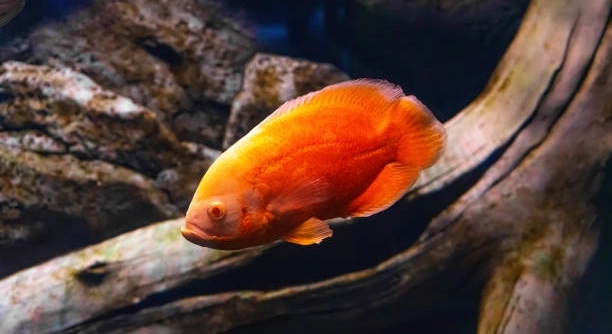
Oscar fish are beautiful and fascinating creatures, but they can be quite sensitive to their environment. Knowing what stresses them can help you ensure their well-being and keep them healthy. This guide highlights seven key stress factors to avoid.
Oscar fish can become stressed due to poor water quality, improper tank size, aggressive tank mates, temperature fluctuations, sudden changes in environment, overfeeding, and lack of enrichment. Understanding these factors is crucial for maintaining a healthy and happy fish.
By addressing these stressors, you can help your Oscar fish live a comfortable and long life. Let’s explore some simple ways to create the best environment for them.
Poor Water Quality
Oscar fish are especially sensitive to the water quality in their tank. They thrive in clean, well-maintained environments, and any changes in water chemistry can cause them a great deal of stress. Ammonia, nitrites, and nitrates build up quickly if the tank isn’t cleaned regularly or the filter isn’t working properly. These substances can lead to skin irritation, weakened immune systems, and even illness.
Regular water changes are essential for maintaining a healthy habitat. Aim for at least 25% of the water to be changed weekly. Using a good filtration system is important, as it helps to remove toxins and keep the water clear. Testing the water regularly ensures that parameters like pH, hardness, and temperature are in the right range for Oscar fish. If the water quality is not maintained, your Oscar fish could become stressed and prone to diseases.
Oscar fish prefer slightly acidic to neutral water with a temperature range of 75°F to 82°F. Water changes and monitoring the filtration system help create a stable and stress-free environment. Avoid overfeeding, as uneaten food can deteriorate the water quality quickly. Keep an eye on the water’s clarity and odor. If the water looks cloudy or smells bad, it may be time to perform a larger water change.
Tank Size
A small tank is one of the most common stress factors for Oscar fish. They grow quite large, often reaching up to 12-14 inches in length, so they need plenty of space to swim around. Keeping them in a tank that’s too small can cause them to feel cramped, leading to stress and health issues.
Ideally, an Oscar fish should have a tank that’s at least 75 gallons. A larger tank offers plenty of room for swimming and can help maintain water quality, which is easier to manage in a bigger setup. If you’re planning to keep multiple Oscars or other large fish, a tank size of 100 gallons or more is recommended.
Providing enough space allows the fish to exhibit natural behaviors, such as exploring different areas of their tank. This reduces stress and improves their overall health. Make sure to also include hiding spots and decorations, but not so many that the fish can’t swim freely. Proper tank size directly impacts your Oscar’s quality of life.
Aggressive Tank Mates
Oscar fish are territorial by nature. Introducing aggressive tank mates can stress them out, leading to constant fighting and possible injury. It’s essential to choose tank mates that are calm and large enough to hold their ground. Small or timid fish often become targets.
Some species, like other large cichlids or even certain catfish, may be suitable companions, but it’s important to monitor interactions closely. Avoid placing Oscars with fin-nippers or fish that are too small, as these may become stressed or injured by the Oscars’ aggressive behavior.
Creating a peaceful tank environment takes time and observation. If aggression starts, separating the fish immediately can prevent serious harm. Offering plenty of hiding spots for all fish helps reduce territorial disputes. With proper planning, your Oscar can coexist peacefully with others.
Temperature Fluctuations
Oscars are sensitive to temperature changes, and sudden fluctuations can cause them stress. A stable temperature range of 75°F to 82°F is optimal for them. Anything outside this range can lead to weakened immune systems, leaving them more susceptible to diseases.
A reliable aquarium heater is necessary to maintain consistent water temperature. Make sure the heater is appropriate for your tank size and works properly. It’s also helpful to use a thermometer to check the temperature regularly, especially during changes in weather or season.
Drastic temperature changes should be avoided at all costs. Even small shifts in water temperature can cause stress and discomfort for your Oscar. Keeping the environment stable helps promote healthy and happy fish, reducing the chances of illness or stress-related behavior.
Sudden Changes in Environment
Oscar fish don’t adjust well to sudden changes in their environment. Whether it’s moving them to a new tank or rearranging their existing setup, these changes can lead to stress and confusion. It’s important to give them time to acclimate slowly.
When changing their environment, do so gradually. If you need to move them to a new tank, ensure the water parameters match. Avoid frequent disruptions, as Oscars thrive in stable settings. If you must rearrange decorations, try to keep things as familiar as possible to prevent stressing them out.
Small adjustments, done carefully and with patience, will help them feel more secure in their habitat. This allows the fish to adapt without feeling threatened by sudden changes.
Overfeeding
Overfeeding is a common mistake that can stress Oscar fish. Feeding them too much leads to poor water quality, as uneaten food decomposes quickly. This not only affects the tank environment but also contributes to digestive issues and obesity in the fish.
It’s best to feed Oscars small amounts of food once or twice a day. Keep an eye on how much they eat and remove any leftover food after a few minutes to prevent water contamination. Stick to high-quality pellets or live food in moderation to keep their diet balanced.
Feeding them in controlled amounts and at regular intervals promotes a healthier environment and reduces stress. Overfeeding may seem harmless, but it can have long-term negative effects on your Oscar’s health.
Lack of Enrichment
Oscar fish need more than just a clean tank and proper food; they also require mental and physical stimulation. Without enough enrichment, they can become bored, stressed, and less active, which can lead to behavioral issues and poor health.
Include rocks, plants, and hiding spots in their tank to encourage natural behaviors like exploring and foraging. Adding driftwood or large decorations can give them a sense of security. Change the layout of the tank every few months to keep things interesting for your fish.
Providing enrichment allows your Oscar to feel more at ease and improves their quality of life. This also helps reduce the likelihood of aggressive behavior or stress-related illnesses.
FAQ
What size tank does an Oscar fish need?
Oscar fish require a large tank to thrive. A 75-gallon tank is the minimum recommended size for one Oscar fish. If you plan to keep multiple Oscars or other large fish, you should consider a 100-gallon tank or larger. Oscars grow quite large, often reaching 12-14 inches in length, so they need enough space to swim freely. A cramped tank will stress them out, leading to poor health and aggressive behavior. Besides space for swimming, a larger tank helps maintain better water quality, making it easier to keep the tank clean and stable.
How often should I clean my Oscar fish tank?
Oscar tanks need regular cleaning to maintain a healthy environment. Perform a 25% water change every week to remove waste and toxins. The frequency of cleaning may also depend on how many fish are in the tank and how much you feed them. For best results, check the water’s ammonia, nitrite, and nitrate levels regularly. A good filtration system will help keep the water clear, but it’s important to clean the filter every few weeks to prevent it from clogging. Scrub the tank’s walls and remove any uneaten food to prevent water contamination.
What can I feed my Oscar fish?
Oscar fish are omnivores and enjoy a varied diet. You can feed them high-quality pellets, which are designed to meet their nutritional needs. You can also supplement their diet with live or frozen foods like worms, shrimp, and fish. Occasionally offering vegetables like peas or lettuce can help with digestion. Be sure to avoid overfeeding, as uneaten food can pollute the tank and cause health problems. A good rule of thumb is to feed them only what they can eat in 2-3 minutes, once or twice a day.
Can I keep other fish with my Oscar?
Oscar fish are territorial and can be aggressive towards smaller or slower-moving fish. It’s important to choose tank mates carefully. Other large cichlids or fish that can hold their own are the best companions. Avoid small, delicate fish, as Oscars may attack them. Some good tank mates include large catfish or fast-moving fish that won’t be intimidated. You should also provide plenty of hiding spots and territories to help reduce conflict. If aggression starts, be ready to separate the fish to prevent injury.
How can I tell if my Oscar is stressed?
Oscar fish show signs of stress in various ways. They may hide in corners of the tank, swim erratically, or stop eating. Physical signs of stress can include faded colors, frayed fins, or damaged skin. Stress can be caused by poor water quality, improper tank conditions, temperature fluctuations, or aggressive tank mates. If you notice these signs, it’s important to assess the environment and make adjustments quickly. Keep the water clean, check the temperature, and make sure the tank is large enough to accommodate the fish’s needs.
Why is my Oscar not eating?
There are several reasons why an Oscar might stop eating. Stress is a common cause, so check for any changes in the tank environment, such as poor water quality, aggression from other fish, or drastic temperature shifts. Illness could also be a factor; check for signs like cloudy eyes or abnormal behavior. Oscars might also stop eating if they’re overfed, as they can become bloated or lethargic. Try reducing the amount of food you’re offering, and make sure it’s fresh and appropriate for their size and dietary needs.
Is it normal for Oscars to be aggressive?
Yes, Oscar fish are known for their aggressive behavior, especially when they feel their territory is threatened. They can be territorial and might fight with other fish or even members of their own species. While this behavior is natural, it can be stressful for other tank mates. To prevent aggression, ensure your Oscar has enough space and avoid placing it with smaller or more docile fish. Providing hiding places and dividing the tank into distinct territories can also reduce conflict. Be prepared to separate fish if aggression becomes problematic.
Can Oscars live with plants in the tank?
Oscar fish are not plant-friendly, as they tend to uproot or damage plants while exploring their environment. If you want to add plants to your tank, consider using hardy species that can withstand some disturbance. Artificial plants can be a good option because they won’t get damaged by the fish. If you prefer real plants, try floating ones or those that are well-rooted, like Java Fern, which can survive even with Oscars’ activity. Keep in mind that your Oscar may still uproot or destroy plants over time, so use plants at your own discretion.
How do I prevent my Oscar from becoming sick?
The key to preventing illness in your Oscar is maintaining a clean and stable environment. Regular water changes, proper filtration, and monitoring the water’s parameters are essential for keeping the tank healthy. Feed your Oscar a balanced diet and avoid overfeeding. Keep the tank temperature within the recommended range and avoid sudden fluctuations. Additionally, monitor your Oscar for any signs of illness, such as loss of appetite, unusual swimming behavior, or visible sores. Early intervention is crucial if you notice any symptoms of disease.
How long do Oscar fish live?
Oscar fish typically live between 10 and 15 years in captivity if they are well cared for. Their lifespan can vary depending on factors like water quality, tank conditions, diet, and overall health. To give your Oscar the best chance at a long life, maintain a proper tank environment, keep the water clean, and feed them high-quality food. Regularly monitor for signs of stress or illness, and address any issues promptly. By providing a stable, healthy environment, you can help ensure your Oscar lives a long, happy life.
Final Thoughts
Caring for an Oscar fish can be a rewarding experience, but it requires attention and effort. These fish are beautiful and full of personality, but they are also sensitive to changes in their environment. To keep them healthy and stress-free, it’s important to provide a stable living space. A large tank, regular water changes, and proper filtration are the basics of creating a healthy environment. Monitoring water quality and temperature regularly will help you avoid many common issues that cause stress for your Oscar.
In addition to the physical environment, Oscars also need mental stimulation. Without enrichment, they can become bored and stressed, which can lead to health problems. Providing hiding spots, decorations, and tank mates that are a good fit for your Oscar will give them opportunities to express natural behaviors and reduce aggression. Keep in mind that Oscars are territorial, so you must carefully consider their companions. Avoid small or delicate fish that may become targets for aggression. If your Oscar does not get along with tank mates, it might be best to keep them alone.
By following these tips and staying consistent with their care, you can ensure your Oscar fish live a long, healthy life. They are hardy fish, but their stress levels are easily affected by poor water quality, sudden changes, or an overcrowded tank. Regular maintenance of their environment is essential, and always be mindful of their behavior. If your Oscar seems stressed, take a moment to assess the situation and make the necessary changes. With the right care, your Oscar can thrive and bring beauty to your tank for many years.

Hello,
If you enjoy the content that we create, please consider saying a "Thank You!" by leaving a tip.
Every little bit helps us continue crafting quality advice that supports the health, happiness, and well-being of pets around the world, for pets of all shapes, sizes, and species.
We really appreciate the kindness and support that you show us!